







12 Home Improvements That Don't Add Value

Scott Perry • April 23, 2026

Share this article

Home improvement projects can be exciting — and expensive. In fact, the average U.S. household spent over $9,000 on home upgrades in 2025, according to national home improvement reports. But when it comes time to sell, not every renovation helps your bottom line.


Before investing in a major upgrade, it’s important to understand whether the project will actually appeal to future buyers or simply reflect personal taste. Some improvements may even work against you when it’s time to list. Here are several common home projects that often fail to add resale value.


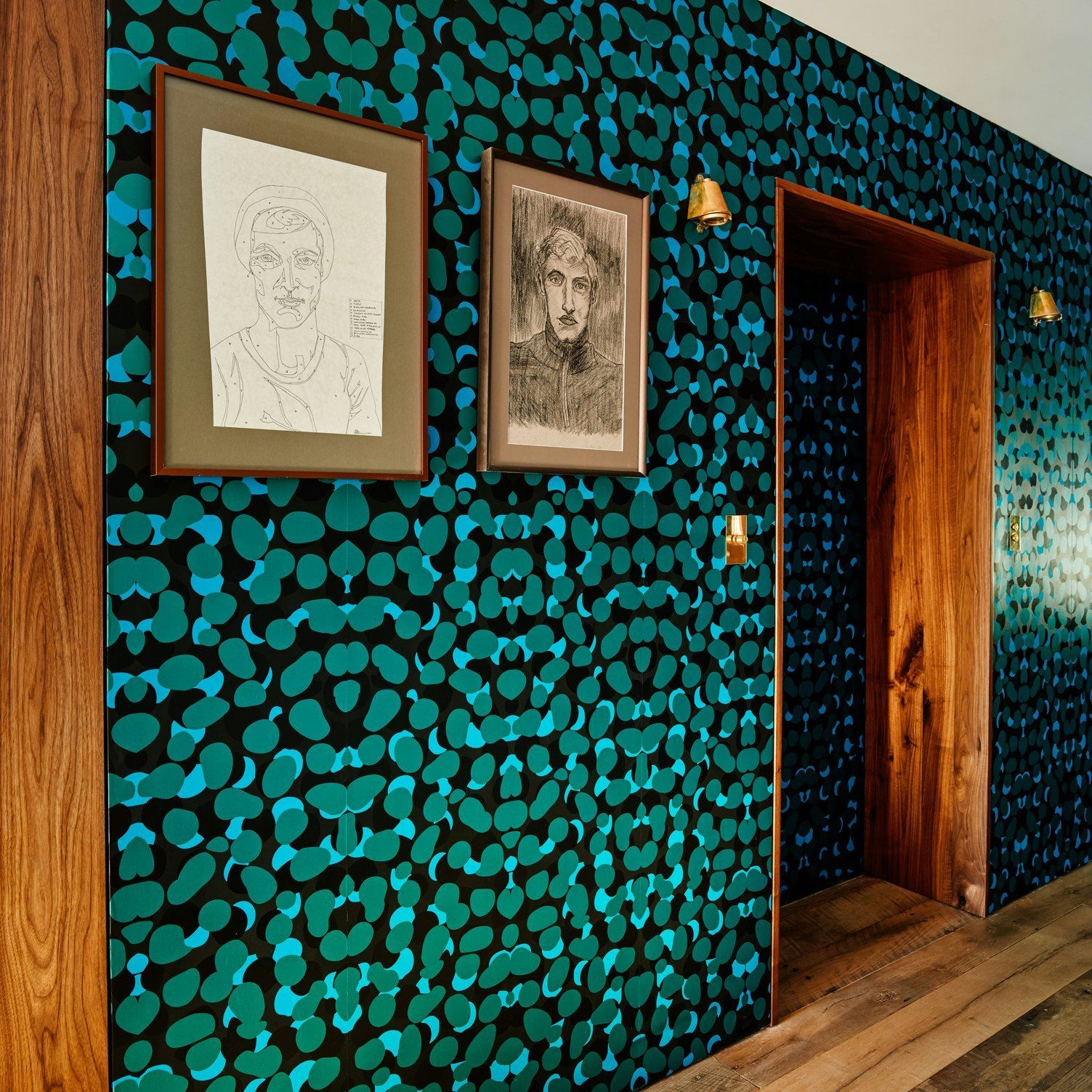
1. Too Much Wallpaper:


Wallpaper has made a comeback, but bold patterns and highly specific designs can turn buyers away. While installation can cost around $1,000 per room, that expense is rarely recouped at resale. On top of that, removing wallpaper is labor-intensive and messy — something buyers may see as an extra chore.

2. Built-In Electronics:


Custom-built speakers, entertainment systems, or wired technology may feel luxurious now, but technology becomes outdated quickly. What feels cutting-edge today may feel obsolete tomorrow, making these features less attractive to buyers.

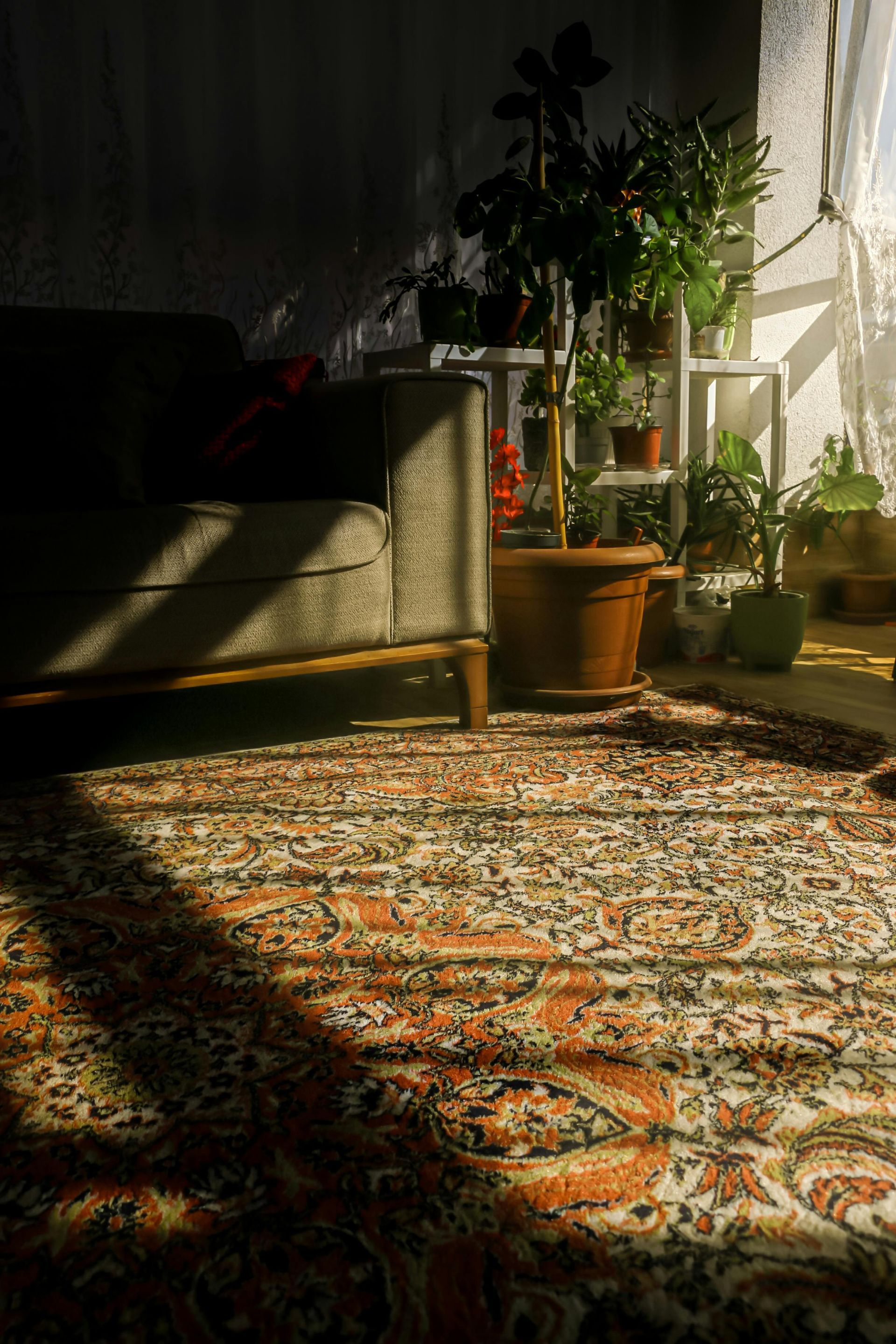
3. Wall to Wall Carpeting:


Covering hardwood floors with carpet is rarely a good investment. Many buyers prefer exposed wood, and poor-quality carpeting adds little to no value. In fact, refinished or newly installed hardwood floors consistently rank among the highest-return interior upgrades.

4. Swimming Pools:


Pools can be appealing in warm climates, but they’re expensive to install and maintain. Beyond the upfront cost, ongoing maintenance and higher insurance premiums can deter buyers. While a pool may add some value in specific markets, it often doesn’t deliver a strong return.

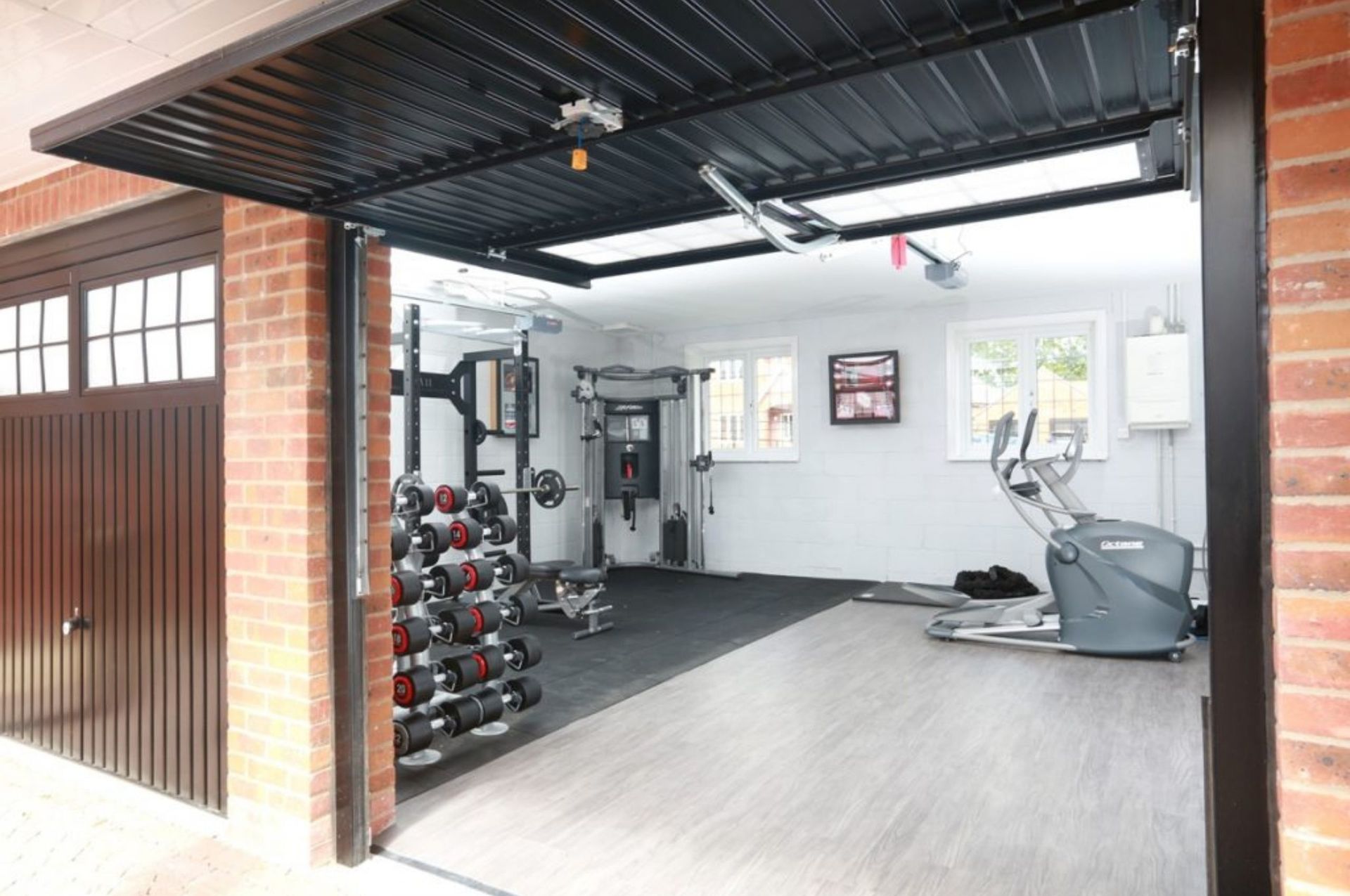
5. Garage Conversions:


Turning a garage into a living space, gym, or rental unit may suit your lifestyle, but it can hurt resale value. Many buyers prioritize garage parking and storage, and removing that functionality can limit your buyer pool.

6. Poorly Executed DIY Projects:


DIY improvements can save money — if done well. Unfortunately, uneven finishes, incorrect installations, or visible shortcuts often raise red flags for buyers. Professional-quality work tends to inspire more confidence and stronger offers.

7. Bold or Dark Paint Colors:


A fresh coat of paint is one of the most cost-effective ways to update a home, but color choice matters. Bright, dark, or highly personalized colors can make it harder for buyers to envision themselves in the space. Neutral tones typically perform best.

8. Adding a Sunroom:


Sunrooms can be beautiful, but they’re expensive and don’t always count toward a home’s official square footage. Because appraisers often exclude them, sunrooms usually don’t deliver the same return as full room additions.

9. Textured Walls:


Textured walls or popcorn ceilings can date a home. Removing them is labor-intensive and sometimes complicated by asbestos concerns in older properties. Buyers may factor removal costs into their offers.

10. Overdone Landscaping:


Curb appeal matters, but overly elaborate landscaping can be a drawback. Buyers may worry about maintenance costs or upkeep, especially if the design feels too customized or demanding.

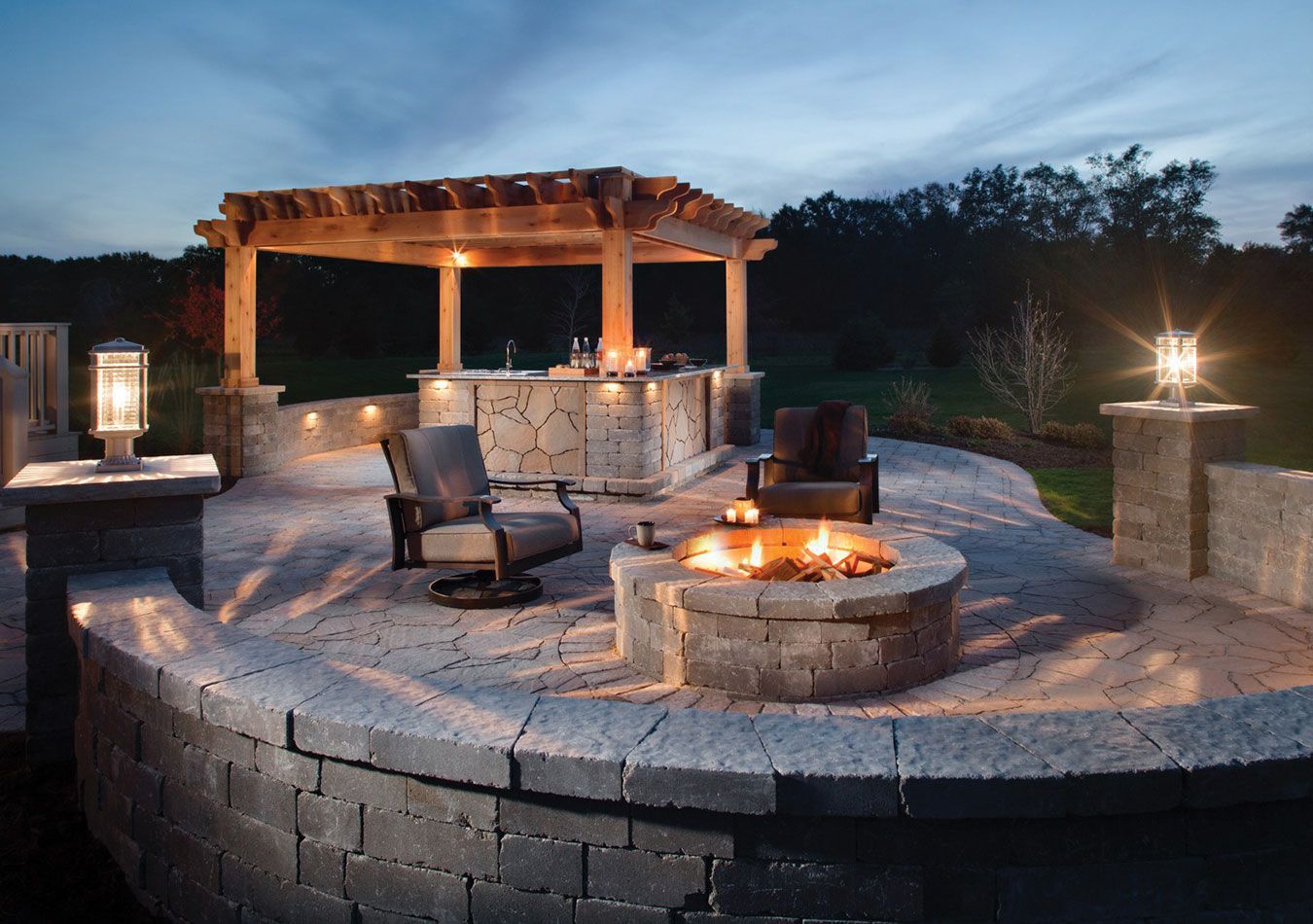
11. Outdoor Fire Features:


Fire pits and outdoor fireplaces are great for entertaining, but they rarely pay for themselves. While they add character, buyers don’t typically value them enough to offset the installation cost.

12. Landscaping Lightning:


Outdoor lighting can enhance appearance, but it’s another project where the return often falls short of the investment. Buyers appreciate good lighting, but it usually doesn’t significantly increase a home’s value.

Recent Posts

By Scott Perry July 2, 2026
Learn when paying a buyer’s closing costs makes sense, how seller concessions work, and strategies to help your home sell faster in today’s market.
By Scott Perry June 26, 2026
Learn whether an estate sale or junk removal is the smarter choice when selling an inherited home, and discover which option saves time or maximizes value.
Older couple looking at a laptop in a bright office, with a white coffee cup nearby
By Scott Perry June 20, 2026
Thinking about downsizing in retirement? Learn why some retirees are choosing to upsize instead and how it may help support the next generation.
By Scott Perry June 12, 2026
Learn how off-market home sales may affect property values, tax assessments, and market transparency in today’s housing market.
By Scott Perry June 12, 2026
Learn how the Corporate Transparency Act could affect homeowners associations, compliance costs, and the future of HOA fees.
By Scott Perry June 4, 2026
Smaller homes and condos are helping buyers improve affordability while enjoying modern features, lower costs, and lifestyle-focused communities.
By Scott Perry May 29, 2026
Discover how co-buying can help first-time buyers overcome affordability challenges and achieve homeownership sooner.
By Scott Perry May 22, 2026
Discover how Italy’s famous 1 euro homes really work, including renovation requirements, hidden costs, and why buyers are still interested.
By Scott Perry May 22, 2026
Worried about home prices falling? Explore what historical housing data and current market trends suggest about long-term home values.
By Scott Perry May 17, 2026
Thinking about buying a waterfront home? Learn about costs, insurance, weather risks, and the lifestyle benefits of living near water.
Show More