
Should Sellers Help Pay a Buyer’s Closing Costs? Here’s What You Should Know
Not long ago, selling a home often meant calling all the shots.
Sellers could decline repair requests, refuse concessions, and receive multiple offers without much negotiation. Buyers who wanted the home usually had to accept the seller’s terms. Today’s market, however, looks a little different.
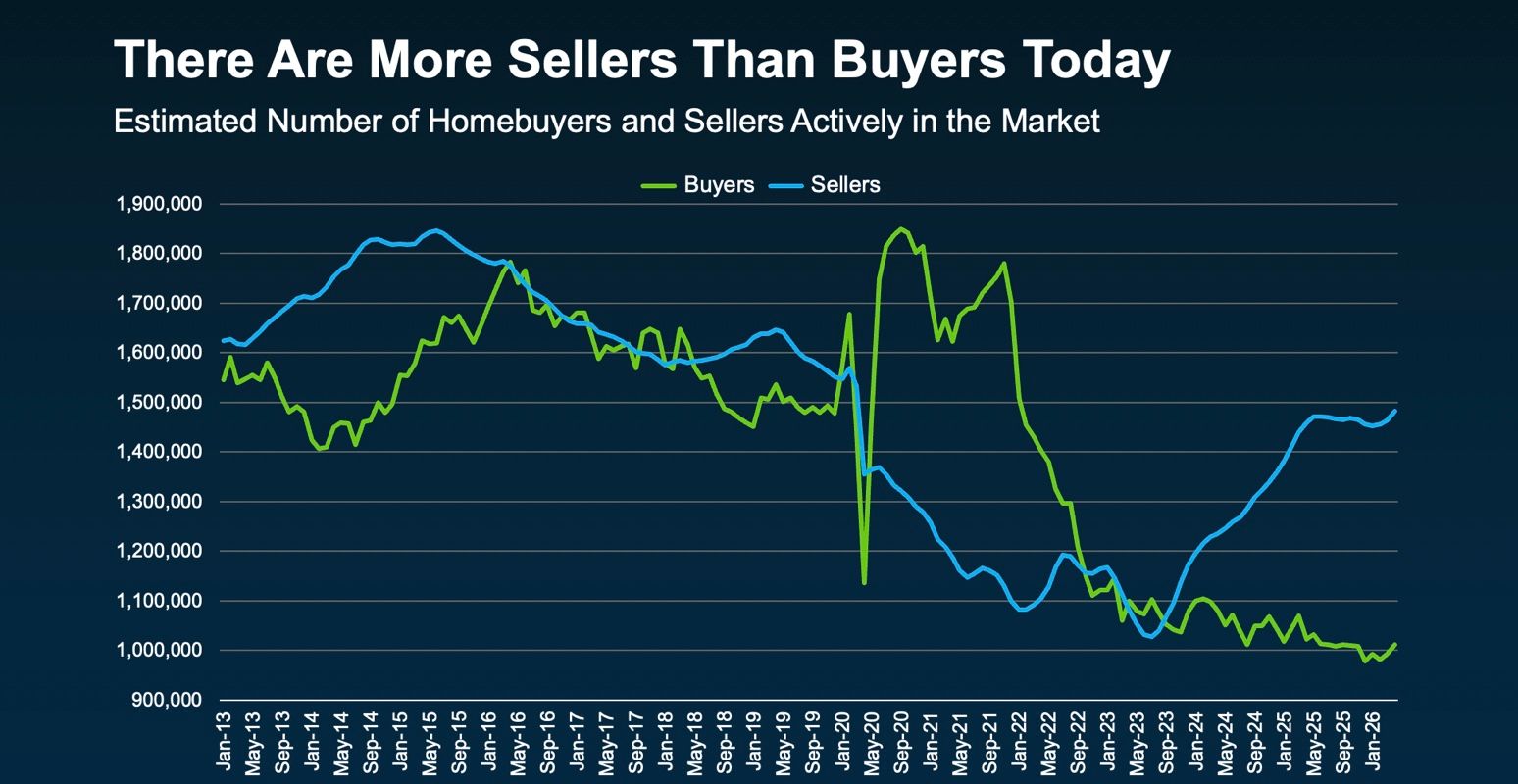
As inventory has increased in many areas, negotiations have become a normal part of the home selling process again. One of the most common requests sellers are seeing? Assistance with a buyer’s closing costs.
While it may seem like an unnecessary expense at first glance, there are situations where offering this type of concession can actually help you sell your home faster and keep your transaction moving smoothly.
Let’s take a closer look at what buyer closing costs are and when it might make sense to help cover them.
What Are Buyer’s Closing Costs?
In addition to a down payment, buyers are responsible for several expenses required to finalize a home purchase. These are known as closing costs and can include:
- Loan origination fees
- Home appraisal costs
- Home inspection fees
- Title insurance and escrow services
- Attorney or recording fees (where applicable)
- Survey expenses and other transaction-related costs
For most buyers, closing costs typically range between 2% and 5% of the purchase price. On a $500,000 home, that could mean anywhere from $10,000 to $25,000 in additional upfront expenses.
Even buyers who comfortably qualify for a mortgage may find it difficult to cover these costs after saving for their down payment.
As a result, more buyers are asking sellers to contribute toward these expenses during negotiations.
Seller Concessions Are Becoming More Common:
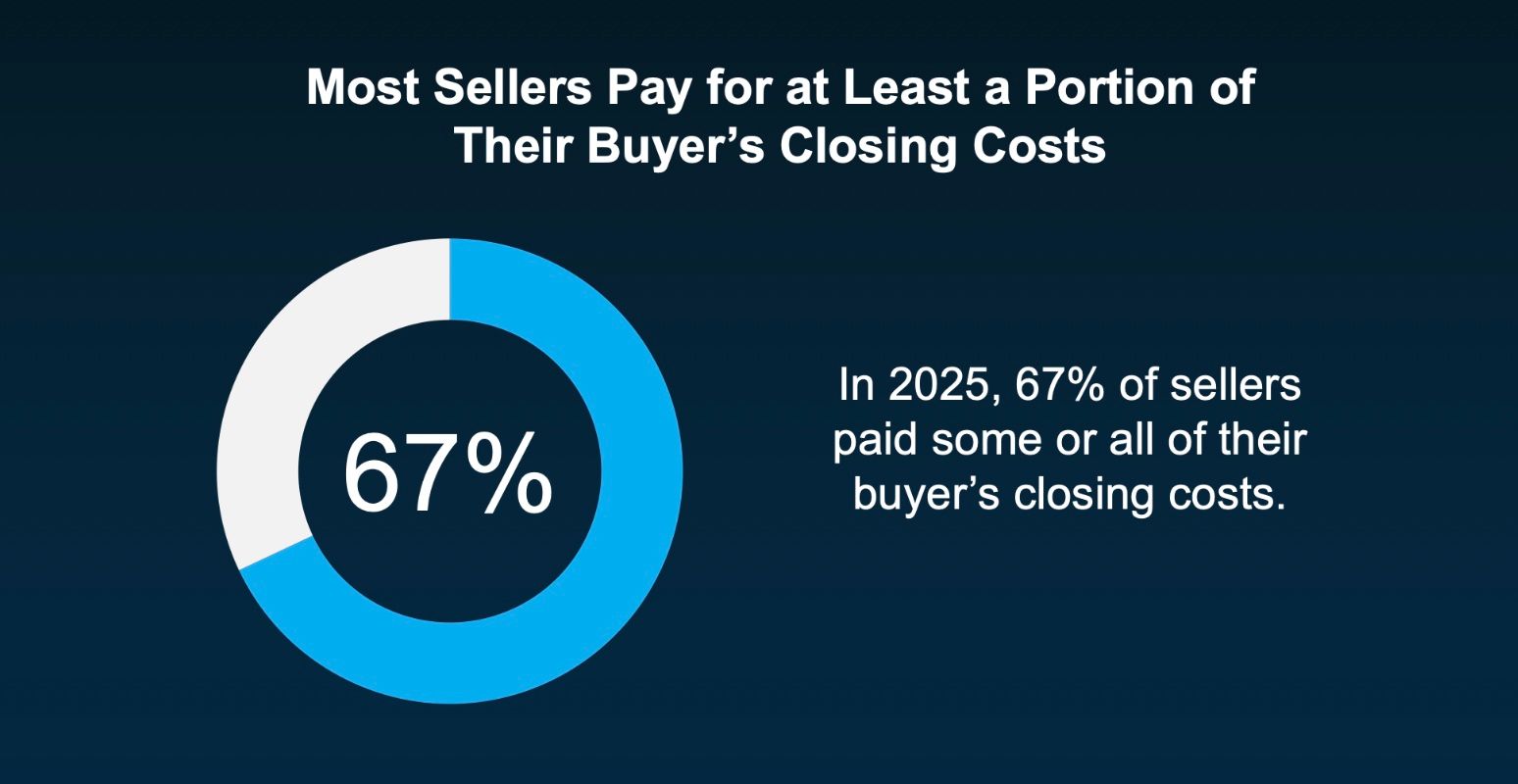
Recent market trends show that seller concessions are no longer unusual. As the housing market becomes more balanced, many sellers are choosing to help buyers with a portion—or sometimes all—of their closing costs to make their property more attractive.
That doesn’t mean every seller should automatically agree to these requests. Instead, it highlights an important shift in today’s market: flexibility can often be the key to reaching a successful sale.
When Paying Closing Costs May Be a Smart Strategy:
It’s easy to think of buyer closing costs as someone else’s responsibility. But in many situations, contributing toward those expenses can actually benefit you as the seller. Whether it makes sense depends largely on your local market conditions.
If buyers have more options to choose from, small incentives can help your home stand out from competing listings and encourage stronger offers.
You may want to consider helping with closing costs if:
- There are many competing homes currently for sale.
- Your property has been on the market longer than expected.
- You’ve received plenty of showings but few offers.
- You’re hoping to sell quickly due to relocation or another life event.
- A concession could help keep an existing transaction from falling apart.
Sometimes offering assistance with closing costs can be far less expensive than reducing your asking price or waiting several more weeks for another buyer.
Other Seller Concessions to Consider:
Helping with closing costs isn’t your only option. If you’d rather offer something different during negotiations, there are several alternatives that buyers may also find valuable.
Some common seller concessions include:
- Providing a one-year home warranty.
- Offering repair credits after inspections.
- Allowing a flexible closing or move-in timeline.
- Including appliances, patio furniture, or other household items with the sale.
Every buyer has different priorities, so the best concession is often the one that helps move the transaction forward while protecting your bottom line. An experienced local real estate professional can help determine which strategies make the most sense based on current market conditions.
Negotiation Doesn’t Mean Giving Up Value:
Many successful sellers today understand that negotiating doesn’t mean losing.
Instead, it’s about identifying opportunities that help both parties reach an agreement.
In some cases, contributing toward closing costs may be exactly what allows a qualified buyer to move forward. In others, another type of concession may accomplish the same goal without affecting your proceeds as much. The key is knowing when flexibility creates value—and when it’s appropriate to stand firm.
Bottom Line:
The real estate market continues to evolve, and today’s most successful sellers are adapting their strategies accordingly.
Helping with a buyer’s closing costs isn’t always necessary, but in the right situation it can attract stronger buyers, speed up negotiations, and help ensure a smoother closing.
If you’re preparing to sell your home, understanding what buyers are requesting in your local market can help you make confident decisions throughout the process. An experienced real estate professional can guide you through every negotiation and recommend the best approach based on current conditions.