



6 Important Considerations Before Buying a Second Home

Scott Perry • July 23, 2026

Share this article

Owning a second home can offer a convenient place to relax, spend time with family, or enjoy a favorite destination throughout the year. For some buyers, it may also create an opportunity to generate rental income when the property is not being used.


However, buying a vacation property involves more than choosing the right location and imagining future getaways.


Because second homes may remain vacant for extended periods, they can require additional planning, maintenance, insurance, and oversight. A small problem that would be noticed immediately in a primary residence could go undetected for days or weeks in an unoccupied property.


Before purchasing a second home, buyers should carefully consider the following six factors.


1. Understand the Local Weather


Weather conditions can affect a second home differently depending on its location.


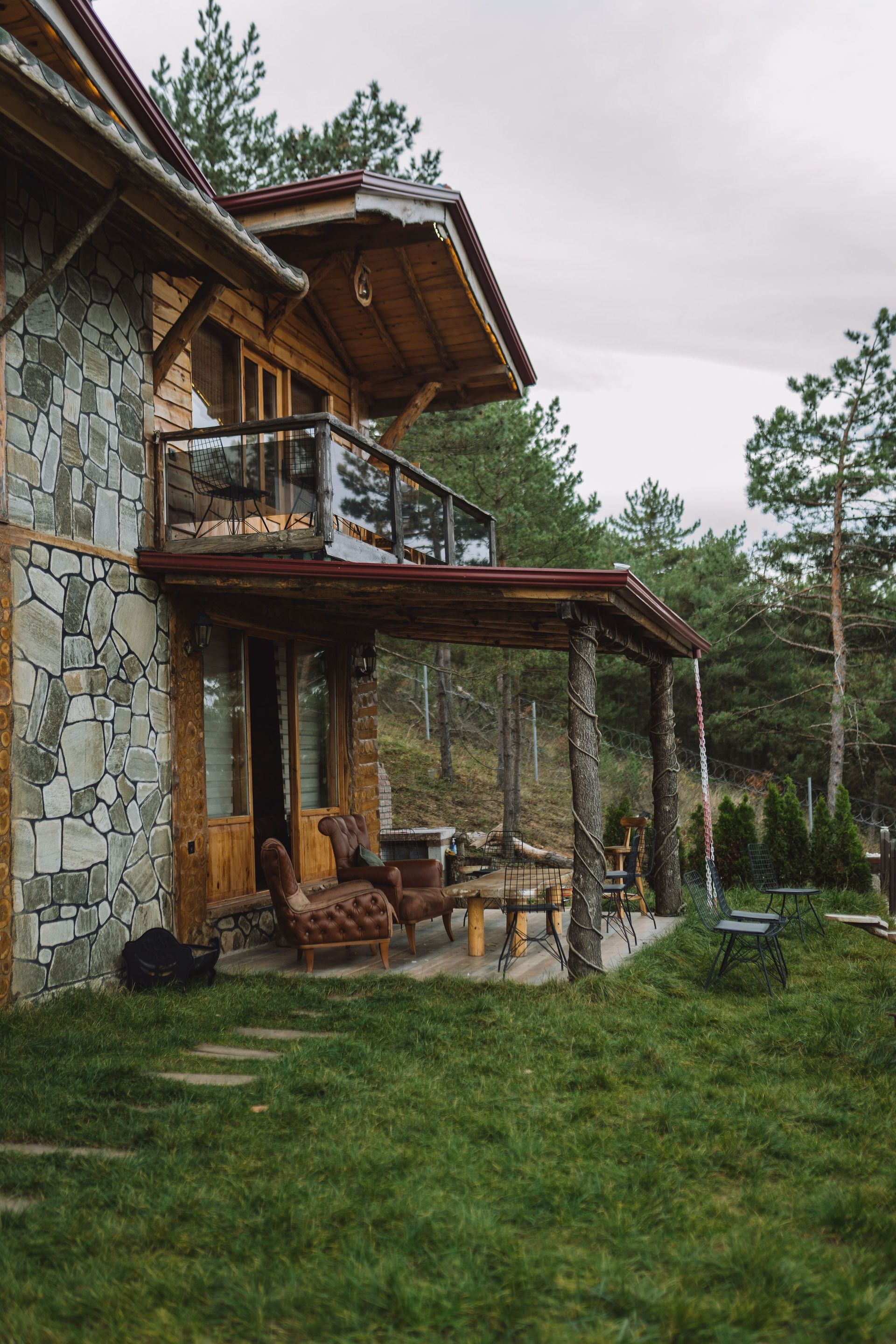
A mountain property may be exposed to snow, ice, freezing temperatures, and fallen branches. A coastal home may face heavy rain, wind, salt exposure, flooding, or hurricane-related damage. Properties in warmer climates may also experience humidity, mold, wildfires, or extended periods of extreme heat.


Buyers who have only visited an area during its most pleasant season may not fully understand the year-round conditions.


Before purchasing, it can be helpful to learn:


  • Which weather events are most common
  • Whether roads remain accessible throughout the year
  • What seasonal preparation the property requires
  • Whether local professionals are available during emergencies
  • How climate conditions may affect maintenance and insurance costs
  • Having a trusted local contact who can inspect the property before and after a storm may help prevent minor issues from becoming expensive repairs.

2. Plan for Ongoing Maintenance


It is easy to focus on the enjoyable side of owning a vacation home while underestimating the routine work involved.


Second homes still require regular attention to the roof, plumbing, heating and cooling systems, landscaping, appliances, trees, gutters, pests, and exterior materials.


Depending on the location and length of vacancy, owners may also need to:


  • Shut off or monitor the water supply
  • Adjust the thermostat
  • Winterize plumbing
  • Schedule pest control
  • Arrange landscaping or snow removal
  • Remove outdoor furniture before storms
  • Check for leaks, mold, or humidity
  • Maintain pools, decks, docks, or fireplaces


Buyers should consider whether they want to handle these responsibilities personally or pay someone locally to manage them.


Choosing durable, low-maintenance materials during a renovation can also reduce future upkeep and allow owners to spend more time enjoying the property.


3. Use Technology to Monitor the Property:


Smart-home technology can make it easier to oversee a second home from a distance.

Depending on the property, owners may benefit from installing:


  • Security cameras
  • Smart locks
  • Motion sensors
  • Water-leak detectors
  • Automatic water shutoff systems
  • Smart thermostats
  • Smoke and carbon monoxide detectors
  • Humidity and temperature sensors
  • Timed or remotely controlled lighting


These systems can alert an owner when something unusual occurs, even when the property is several hours away.


Technology does not replace regular inspections, but it can provide an additional layer of protection and help owners respond more quickly to problems.


It is also wise to keep appliance information, warranties, contractor contacts, maintenance records, and emergency instructions organized in one accessible location.

4. Consider Property Management


Some buyers are comfortable coordinating maintenance themselves. Others may prefer to hire a property manager or home-watch service.


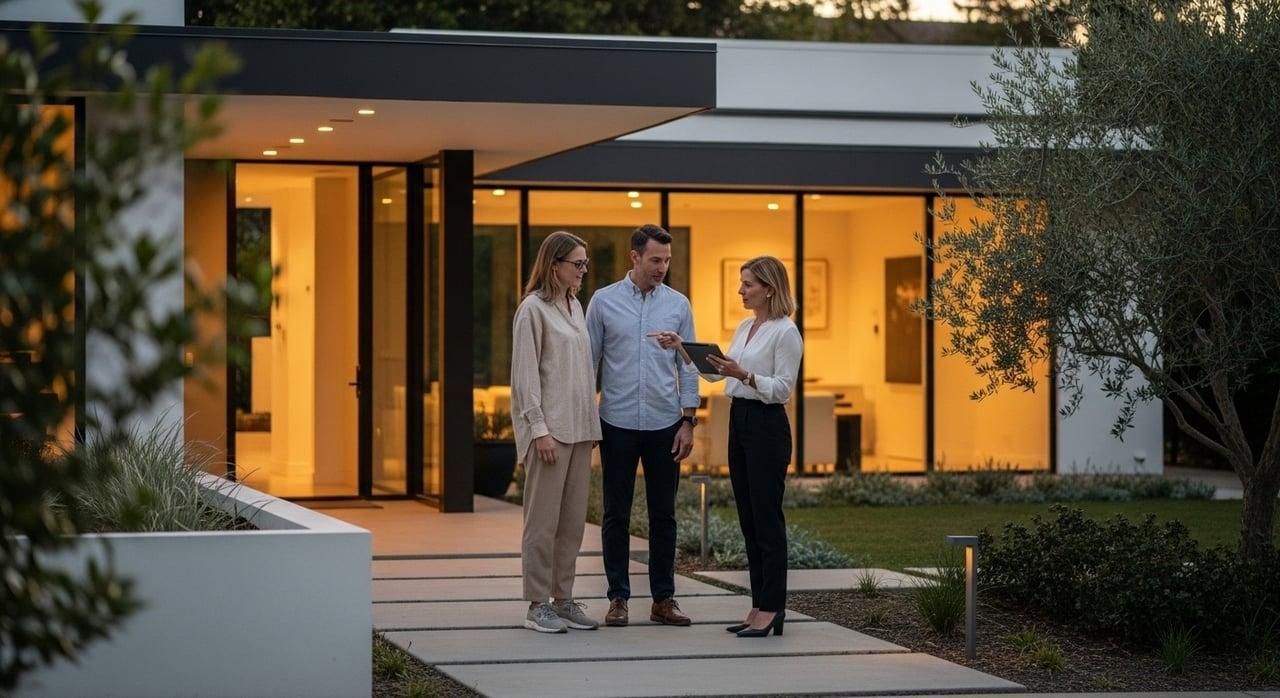
A local professional can inspect the property periodically and help coordinate repairs, cleaning, landscaping, pest control, and storm preparation.


Depending on the service, a property manager may also:


  • Check the home after severe weather
  • Prepare the property before the owner’s arrival
  • Manage vendors and maintenance appointments
  • Receive deliveries
  • Stock basic supplies
  • Oversee short-term or long-term rentals
  • Respond to emergency situations


The cost will vary based on the property, location, frequency of inspections, and services provided.


Although property management adds an ongoing expense, it can be especially valuable for owners who live far away or visit only a few times per year.


5. Research Insurance Before You Buy


Insurance for a second home may be different from coverage for a primary residence.

Because vacation properties are often vacant, insurers may view them as having a greater risk of water damage, theft, vandalism, fire, or delayed discovery of a problem.


Coverage may be more expensive, carry a higher deductible, or require additional safety measures. In areas exposed to wildfires, hurricanes, flooding, windstorms, or other natural hazards, coverage may also be limited or difficult to obtain.


Before making an offer, buyers should speak with an insurance professional and ask about:


  • Availability of coverage
  • Estimated annual premiums
  • Vacancy limitations
  • Water, wind, flood, fire, and earthquake coverage
  • Required alarm or monitoring systems
  • Higher deductibles for certain claims
  • Coverage when the property is rented to others


Insurance costs can significantly affect the overall affordability of a second home, so buyers should investigate them early rather than waiting until closing.

6. Test the Lifestyle Before Committing


A destination that feels ideal during a weekend visit may feel different after an extended stay.


Before buying, consider renting in the area several times and visiting during different seasons. This can help determine whether the location, travel time, community, climate, and available amenities truly fit your lifestyle.


Ask yourself:


  • How often will I realistically use the property?
  • Is the travel time manageable?
  • Will maintaining it interfere with my free time?
  • Are medical care, groceries, restaurants, and services nearby?
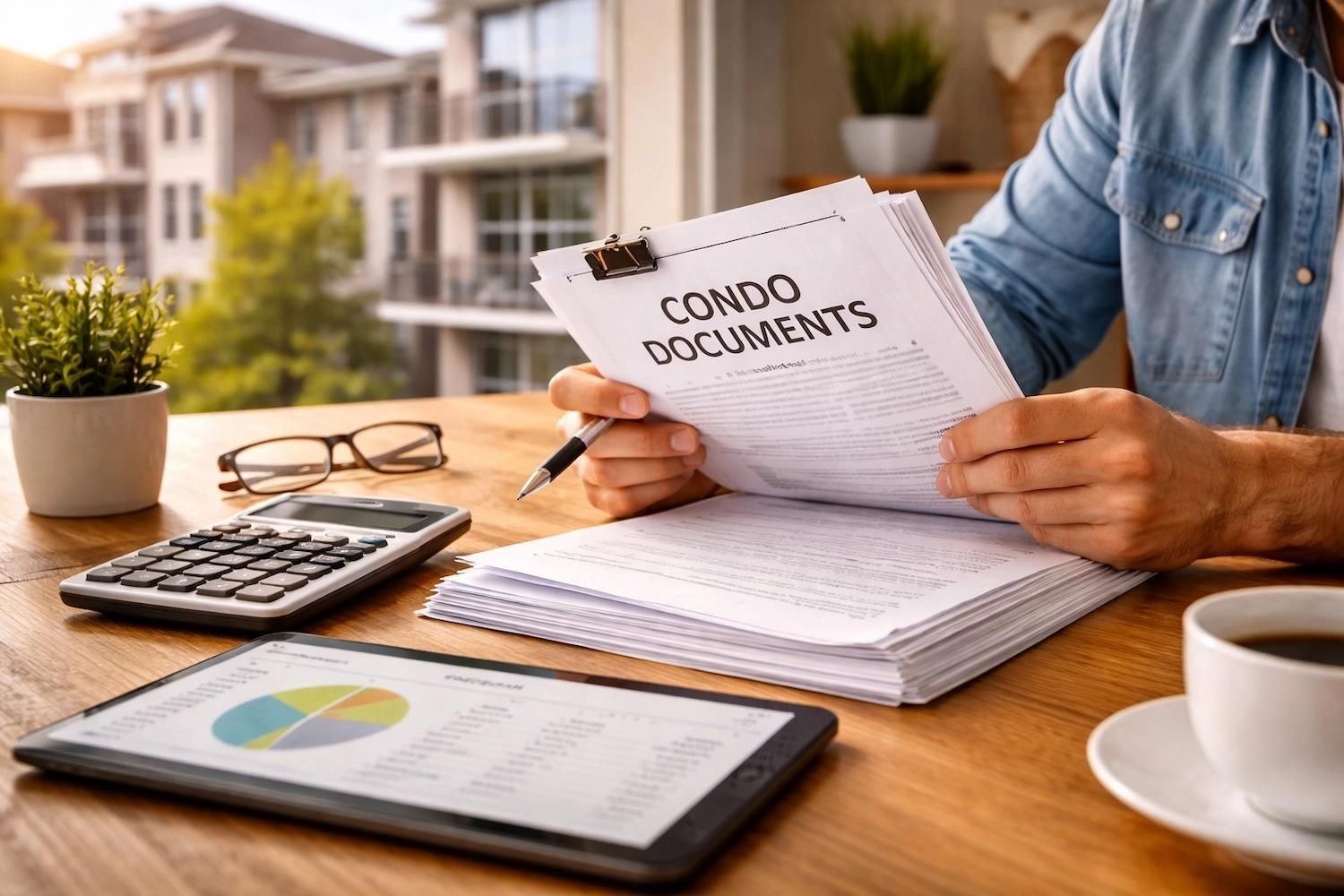
  • Would a condominium or managed community be more convenient?
  • Do I want to rent the property when I am away?
  • Are short-term rentals permitted?


Buyers who plan to rent the home should review local ordinances, licensing requirements, tax obligations, and homeowners association rules.


Some communities prohibit short-term rentals entirely, while others impose minimum stays, occupancy limits, parking rules, or registration requirements.


Look Beyond the Purchase Price


The cost of a second home extends beyond the mortgage and down payment. Buyers should account for:


  • Property taxes
  • Insurance
  • Utilities
  • Maintenance and repairs
  • Furnishings
  • Travel expenses
  • Property management
  • HOA dues
  • Rental-management fees
  • Seasonal preparation
  • Emergency reserves


Creating a realistic annual budget can help buyers understand whether the property will remain enjoyable rather than becoming a financial or logistical burden.


The Bottom Line


A second home can create years of meaningful experiences, provide a place to recharge, and potentially become a valuable long-term asset.


The best purchase, however, is one that fits both your lifestyle and your finances.


Before moving forward, take time to understand the property’s climate, maintenance needs, insurance requirements, rental restrictions, and ongoing costs. Careful preparation can help ensure your second home feels like a retreat—not another source of stress.

Recent Posts

By Scott Perry July 16, 2026
Discover why more homeowners are choosing shorter, local moves to simplify life, reduce maintenance, and find a home that better fits their lifestyle.
By Scott Perry July 9, 2026
Discover how your Silicon Valley home equity could help you relocate, simplify your lifestyle, and create more financial freedom in retirement.
By Scott Perry July 9, 2026
Homes sitting on the market longer may offer buyers lower prices, seller concessions, and better negotiation opportunities. Learn why they deserve a second look.
By Scott Perry July 2, 2026
Learn when paying a buyer’s closing costs makes sense, how seller concessions work, and strategies to help your home sell faster in today’s market.
By Scott Perry June 26, 2026
Learn whether an estate sale or junk removal is the smarter choice when selling an inherited home, and discover which option saves time or maximizes value.
Older couple looking at a laptop in a bright office, with a white coffee cup nearby
By Scott Perry June 20, 2026
Thinking about downsizing in retirement? Learn why some retirees are choosing to upsize instead and how it may help support the next generation.
By Scott Perry June 12, 2026
Learn how off-market home sales may affect property values, tax assessments, and market transparency in today’s housing market.
By Scott Perry June 12, 2026
Learn how the Corporate Transparency Act could affect homeowners associations, compliance costs, and the future of HOA fees.
By Scott Perry June 4, 2026
Smaller homes and condos are helping buyers improve affordability while enjoying modern features, lower costs, and lifestyle-focused communities.
By Scott Perry May 29, 2026
Discover how co-buying can help first-time buyers overcome affordability challenges and achieve homeownership sooner.
Show More