Thinking About a Fall Move? What Silicon Valley Buyers and Sellers Should Know
Spring and summer tend to get most of the attention in real estate.
Families often plan moves around the school calendar, longer days make home shopping easier, and sellers traditionally associate warmer weather with greater buyer activity.
So, as fall approaches, it’s easy to assume the best time to make a move has already passed.
But in Silicon Valley, fall doesn’t necessarily mean the real estate market shuts down.
Homes are still being listed. Buyers are still searching. Sellers are still accepting offers. And for some people, the changing season can create opportunities that weren’t available—or didn’t make sense—earlier in the year.
The key is understanding that fall can look very different depending on where you’re buying or selling, what type of property is involved, and what’s happening in your particular segment of the Silicon Valley market.
First, What Does the Silicon Valley Market Look Like Heading Into Fall?
Before talking about seasonal trends, let’s look at what’s actually happening locally.
According to August 2026 MLSListings data, Santa Clara County single-family homes had a median sale price of $1.85 million. There were approximately 1,011 active listings, and homes that sold spent a median of just 12 days on the market.
Condos and townhomes told a different story. Their median sale price was approximately $847,000, with roughly 800 active listings, and they spent a median of 26 days on the market.
That’s an important distinction. There isn’t one single “Silicon Valley housing market.”
A single-family home in Santa Clara can behave very differently from a condo in the same city—and a home in San Jose may experience completely different conditions from one in Saratoga, Los Gatos, or Cupertino.
That’s why broad seasonal headlines should always be viewed through a local lens.

For Sellers: You Haven’t Necessarily Missed
Your Window:
If you considered selling earlier this year but weren’t ready, you may be wondering whether it’s better to wait until spring 2027.
Not necessarily.
The latest local data shows that buyers are still making decisions quickly when the right property comes along.
In August, Santa Clara County single-family homes that sold had a median market time of just 12 days.
And some of Scott’s core markets moved even faster.
Single-family homes in the City of Santa Clara had a median market time of 10 days in August, while Saratoga’s 95070 ZIP code had a median of just 8 days.
That doesn’t mean every home will sell quickly—or that fall automatically favors sellers.
It does show that serious buyer activity doesn’t disappear when summer ends.
Fall Buyers May Have a Reason To Move:
A smaller buyer pool isn’t necessarily a bad buyer pool.
People shopping for homes later in the year may be moving because of a job change, relocation, growing family, lease expiration, financial milestone, or simply because they’ve finally found the right time to make a purchase.
Others may want to settle into a new home before the holidays or start the new year somewhere new.
For sellers, the objective isn’t necessarily to attract the greatest possible number of people.
It’s to attract the right qualified buyers. And those buyers can absolutely still be present in the fall market.
Presentation Matters Differently in Fall:
Selling later in the year does require some adjustments.
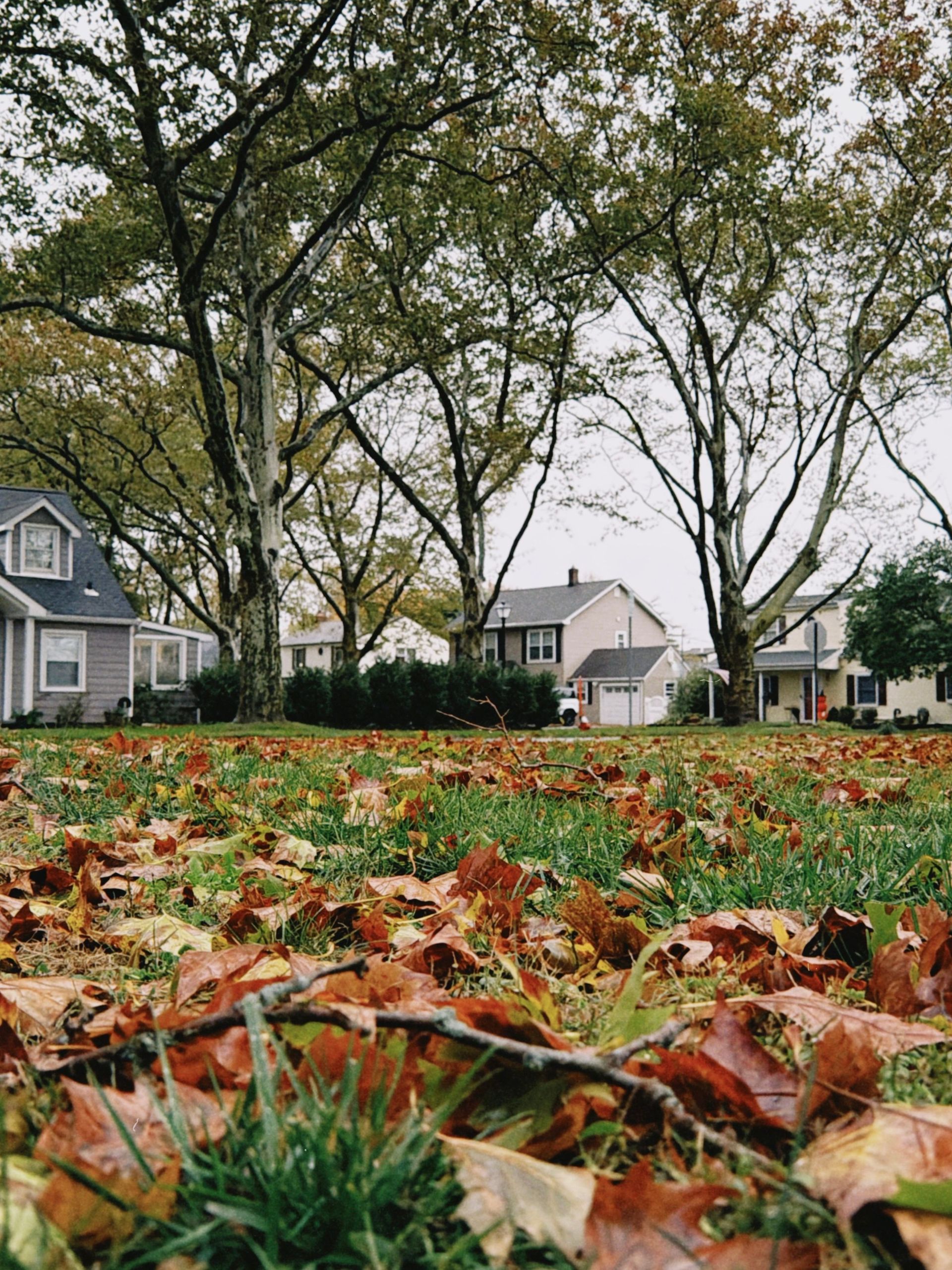
Days gradually become shorter, landscaping changes, and natural light can become more limited. That makes presentation particularly important.
Before listing, consider:
Keeping landscaping clean and seasonal
Maximizing natural light for photography and showings
Using warm, inviting interior lighting
Keeping exterior areas free of leaves and debris
Making the entrance feel welcoming
Completing small maintenance items before buyers notice them
Using professional photography that showcases the property at its best
You don’t need to transform your home into an autumn catalog. The goal is simply to make it feel bright, maintained, comfortable, and move-in ready.

Pricing Becomes Even More Important:
One mistake sellers should avoid is assuming that a home should be priced based on what the market was doing several months ago.
Your competition today matters more than what your neighbor received last spring.
Recent comparable sales, current listings, pending properties, inventory, condition, location, and buyer activity should all be part of the pricing conversation.
This becomes especially important as the year progresses because an overpriced property can lose valuable early attention.
A local real estate professional can help you evaluate what’s happening in your specific neighborhood and price range—not just what’s happening across Santa Clara County as a whole.
That’s particularly important in Silicon Valley, where market conditions can change considerably within only a few miles.
For Buyers: Fall Can Create a Different Kind
of Opportunity:
Fall can also be worth a closer look if you’ve spent much of the year waiting to buy.
But not because every home suddenly becomes cheaper. Instead, the dynamics around individual listings can change.
Some properties may have been on the market since summer. Some sellers may have already adjusted their expectations.
Other homeowners may have a specific reason for wanting to complete their move before the end of the year.
And in certain market segments, buyers may have more time to evaluate their options.
Attached Homes Are Giving Buyers More Time:
One of the clearest examples in the current Santa Clara County market is the difference between detached and attached homes.
In August, single-family homes that sold spent a median of 12 days on the market.
Condos and townhomes spent a median of 26 days.
Attached homes also had approximately 3.1 months of inventory.
For a buyer considering a condo or townhome, that may translate into a very different shopping experience than competing for certain single-family homes.
It doesn’t guarantee a discount or seller concession. But additional market time and inventory can sometimes give buyers more opportunity to compare properties, perform due diligence, and determine how aggressively they want to structure an offer.

Some Listings May Offer More Room for Conversation:
Fall can also bring another interesting group of properties: homes that didn’t sell during the busier spring or summer months.
- Maybe the property started too high.
- Maybe it needed better presentation.
- Maybe buyer feedback revealed an issue the seller has since addressed.
- Or perhaps it simply hasn’t connected with the right buyer yet.
As days on market accumulate, some sellers may become more open to discussing price, closing timelines, credits, repairs, or other terms.
But buyers shouldn’t assume that an older listing automatically means a bargain.
There may be a perfectly reasonable explanation for why the home hasn’t sold.
This is another situation where working with a knowledgeable local Realtor can be valuable. Your agent can examine the listing history, recent comparable sales, competing properties, and other available information before you decide how to approach an offer.
Don’t Assume Fall Means You Can Lowball Every Seller:
This is especially important in Silicon Valley. Some segments remain highly competitive.
For example, August single-family homes in the City of Santa Clara had a median market time of only 10 days and a 103% sale-to-list ratio.
In Saratoga’s 95070 ZIP code, single-family homes also had a 103% sale-to-list ratio and a median of only 8 days on market.
So while one fall listing might offer significant negotiating room, another could still receive strong buyer interest.
That’s why strategy should be based on the individual property, not simply the season.
More Time Can Be Valuable, Even Without a
Huge Discount:
Buyers often think of a “better market” strictly in terms of lower prices. But negotiating leverage can take other forms.
Depending on the property and seller, buyers might discuss:
- Closing date flexibility
- Repair requests
- Seller credits
- Included appliances or other property
- Contingency terms
- Rate-buydown contributions when appropriate
- Other transaction-specific terms
Not every seller will agree to these things, of course. But a successful negotiation isn’t always about getting the lowest possible purchase price.
Sometimes it’s about structuring the transaction in a way that works better for both sides.
Fall Can Be a Strategic Time for Both Buyers and Sellers:
Here’s what makes fall real estate interesting: Buyers and sellers don’t necessarily need opposite market conditions to both find opportunity.
A seller may benefit from reaching serious buyers who are motivated to make a move before year-end.
A buyer may benefit from evaluating listings that have accumulated more market time or from shopping in a segment with more available inventory.
Both can be true at the same time. And that’s exactly what the current Silicon Valley numbers demonstrate.
Single-family homes in Santa Clara County are still moving relatively quickly, while condos and townhomes are generally taking longer and providing a larger supply relative to recent sales.
The opportunity depends on which market you’re actually in.
Should You Move This Fall—or Wait Until Spring?
There’s no universal answer. If you’re selling, ask yourself:
- Is the property ready?
- Does moving now fit your personal plans?
- What are comparable homes doing in your neighborhood?
- How much competition would your home face if it listed today?
- If you’re buying, consider:
- Are there homes available now that meet your needs?
- How competitive is your particular price range?
- How long are those properties staying on the market?
- Are sellers negotiating?
- And, most importantly, does buying now fit comfortably within your financial plans?
Waiting for spring simply because it’s traditionally considered the “busy season” isn’t automatically the right strategy.
Likewise, making a move in fall simply because you’ve heard it’s a better season for buyers isn’t enough reason on its own.
Your personal circumstances and your local market should drive the decision.
Real Estate Is Local—Especially in Silicon Valley:
Countywide statistics are useful for understanding the bigger picture.
But they can’t tell you exactly what’s happening with a three-bedroom home in Santa Clara, a condo in San Jose, a luxury property in Saratoga, or a townhome in Sunnyvale.
Those are different markets with different buyers, inventory levels, price points, and negotiating dynamics.
Before making a major real estate decision, it’s always a good idea to consult an experienced local real estate professional who understands your specific area.
A local Realtor can help sellers determine how their home should be positioned for today’s buyers and help buyers understand where genuine opportunities may exist.
The Bottom Line:
Fall doesn’t mean Silicon Valley real estate goes into hibernation.
For sellers, there are still buyers actively searching—and well-priced, well-presented properties can continue to move quickly.
For buyers, certain parts of the market may offer more time, selection, or negotiating opportunities than they did earlier in the year.
The important thing is not to make your decision based solely on the calendar. Look at the market that’s actually in front of you.
If you’ve been considering buying or selling this fall, reviewing current neighborhood-level data with a local real estate professional can help you determine whether moving now—or waiting—makes the most sense for your goals.
Market statistics referenced in this article are based on August 2026 MLSListings data. Conditions vary by city, neighborhood, property type, and price range.