
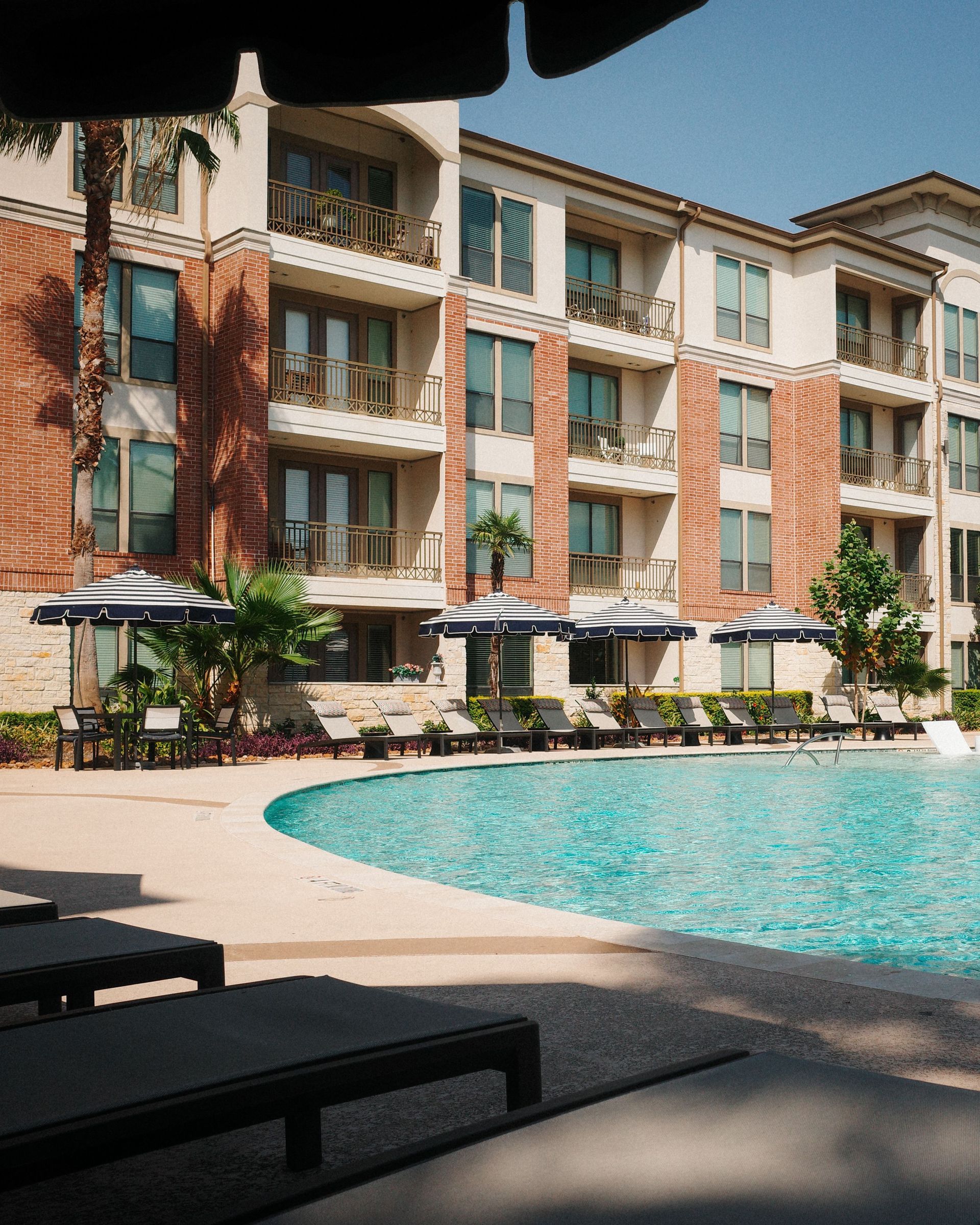



4 HOA Red Flags Silicon Valley Homebuyers Should Check Before Buying

Scott Perry • September 4, 2026

Share this article

When you’re buying a condo, townhome, or home within a homeowners association, it’s easy to focus almost entirely on the property itself.


You walk through the rooms. You evaluate the kitchen. You check the location, parking, amenities, and monthly HOA dues.


But there’s another part of the purchase that deserves just as much attention:

The financial and operational health of the HOA.


That’s especially important in Silicon Valley, where an attached home can still represent a substantial investment. In July 2026, the median sale price for condos and townhomes in Santa Clara County was approximately $909,000, according to MLSListings. 


When you buy into an HOA community, you’re not simply buying your individual home. You’re also becoming part of an association responsible for maintaining shared property, managing reserves, carrying insurance, and planning for future expenses.


A beautiful unit can therefore come with financial headaches if the association behind it isn’t being managed properly.


Before making an offer—or before removing applicable contingencies—here are four areas Silicon Valley buyers should investigate.


1. Look Beyond the Monthly HOA Dues:


A common mistake is evaluating an HOA primarily by asking: “How much are the monthly dues?”


Lower isn’t necessarily better.


An association with unusually low dues may appear attractive, but the more important question is whether those dues are sufficient to maintain the community and prepare for future expenses.


Consider what the HOA is responsible for maintaining.


Depending on the community, that could include roofs, exterior paint, landscaping, elevators, pools, private streets, gates, plumbing systems, parking structures, recreational facilities, and other common areas.


Then ask what major projects have recently been completed—and what’s coming next.


A community may be preparing for roof replacement, exterior repairs, paving, balcony work, elevator modernization, or another major capital project.


The important question is: How will the HOA pay for it?


If sufficient funds haven’t been set aside, homeowners could eventually face increased dues or a special assessment.

2. Review the HOA’s Reserves and Financial Health:


One of the most important documents to review is the HOA’s reserve study.


Think of reserves as the association’s long-term savings account.


Instead of waiting until a roof, elevator, pool, or other major component needs replacement and then asking homeowners for a large amount of money, a well-planned association sets money aside over time.


The reserve study helps estimate the remaining useful life of major components, their expected replacement costs, and how much the association should be saving.


Don’t stop at simply confirming that a reserve account exists. You need to know how much money is in reserve. 


Understanding Reserve Health Tiers:


  • 70% – 100% Funded (Strong): Low risk of special assessments; the HOA can comfortably handle major capital replacements.


  • 30% – 70% Funded (Fair): Moderate risk; capital projects may require careful timing or minor supplemental funding.


  • 0% – 30% Funded (Weak): High risk; the community is critically underfunded and likely to face sudden special assessments for routine major repairs like roofs or paving.


Look at questions such as:


  • What major repairs or replacements are anticipated?
  • How much does the HOA currently have in reserves?
  • How does current funding compare with the reserve study’s recommendations?
  • Has the association consistently contributed to reserves?
  • Are major expenses approaching without adequate funding?
  • Have there been recent or recurring special assessments?


This matters for another reason: financing.


For certain condominium loans, lenders don’t evaluate only the borrower’s finances—they may also evaluate the project itself.


Under current Fannie Mae standards, project reviews can consider the HOA’s budget, replacement reserves, delinquent assessments, critical repairs, litigation, and other characteristics of the development. In a full review, for example, Fannie Mae requires the lender to determine that the HOA budget provides at least a 15% allocation toward replacement reserves for capital expenditures and deferred maintenance. 


In other words, problems with an HOA can potentially become problems with your loan.


3. Pay Close Attention to Insurance, Claims and Litigation:


Insurance deserves special attention when buying into a California HOA.


In a condominium community, the association generally maintains insurance covering the building structure and common areas, while individual owners typically need their own coverage for personal property, liability, interiors, improvements, and other responsibilities established by the governing documents.


The California Department of Insurance specifically recommends reviewing what the association’s insurance covers and considering how that coverage would affect you after a loss. It also points buyers toward loss-assessment coverage, which can provide protection against certain assessments imposed following a covered loss. 


Before buying, find out as much as you reasonably can about:


  • The HOA’s current master insurance policy
  • Coverage limits and deductibles
  • Recent premium changes
  • Significant past insurance claims
  • Pending or threatened litigation
  • Water intrusion or recurring leak problems
  • Structural or construction issues
  • Any insurance-related special assessments
  • A single past claim doesn’t automatically mean there’s a problem.
  • A pattern, however, deserves closer examination.


For example, repeated water-damage claims could point toward aging plumbing or building-envelope problems that may eventually require significant repairs.


And significant litigation or unresolved critical repairs can affect more than your future expenses. Certain project characteristics can make a condominium project ineligible for conventional financing under Fannie Mae’s standards. 

4. Understand the Rules and the Community Behind Them:


Financial statements tell you a lot about an HOA.


But they don’t tell you everything, you also want to understand what it’s actually like to  live there.


Read the CC&Rs, bylaws, rules, meeting minutes, and other available HOA documents carefully.


Pay particular attention to restrictions involving things that could affect your lifestyle or future plans, such as:


  • Renting the property
  • Pets
  • Parking
  • Guest parking
  • Exterior modifications
  • EV charger installation
  • Solar improvements
  • Use of common areas
  • Home-based businesses
  • Remodeling
  • Noise
  • Short-term rentals

If you’re purchasing the property with the possibility of renting it later, don’t assume today’s rental rules will necessarily remain unchanged forever.


Association rules and governing documents can change through the procedures permitted under California law and the community’s governing documents.


That’s why it’s important to evaluate whether you’re comfortable not only with today’s rules but also with living in a community where certain decisions are made collectively.


Take a Walk Around the Community:


There’s another form of due diligence that doesn’t require reading a financial statement.

Spend some time in the neighborhood.


Walk through the common areas.


Look at the condition of the landscaping, roofs, exterior paint, parking areas, fencing, stairways, balconies, and amenities.


Do things appear maintained—or postponed?


If you have an opportunity to speak naturally with residents, their experiences may also provide useful context about the community.


You shouldn’t base a major financial decision on neighborhood gossip, of course.


But combining what you observe with the association’s documents can help you develop a more complete picture.

Why This Matters in Silicon Valley:


HOA due diligence is particularly relevant because condos and townhomes represent an important alternative to Silicon Valley’s much more expensive detached-home market.

The difference is substantial.


According to July 2026 MLSListings data, the median sale price for a single-family home in Santa Clara County was $1.9 million, compared with approximately $909,000 for condos and townhomes. 


For many buyers, that price difference can make attached housing an attractive path to homeownership.


But the comparison shouldn’t stop at purchase price, when evaluating a condo or townhome, consider the complete cost and condition of ownership:


purchase price + monthly HOA dues + insurance + anticipated assessments + the financial health of the association.


A $900,000 condo with a financially healthy, well-managed HOA could be a very different proposition from a similarly priced property in a community facing major deferred maintenance, inadequate reserves, insurance difficulties, or substantial assessments.


Don’t Evaluate the Home Without Evaluating the HOA:


  • A remodeled kitchen can be replaced.
  • Paint can be changed.
  • Flooring can be updated.


Fixing years of deferred maintenance or financial problems throughout an entire association is considerably more complicated.


That’s why HOA documents shouldn’t be treated as paperwork to skim through on the way to closing. They’re part of your due diligence.


Before purchasing a Silicon Valley condo, townhome, or other HOA property, take time to understand the association’s finances, reserves, insurance, upcoming projects, rules, and overall management.


And when something in those documents isn’t clear, ask questions and involve the appropriate professionals—whether that’s your real estate agent, lender, insurance professional, HOA specialist, or attorney.


The goal isn’t to find an HOA with absolutely no problems. It’s to understand exactly what you’re buying into before it becomes your responsibility.

Recent Posts

By Scott Perry August 20, 2026
Still working but ready for less upkeep? See what mature Silicon Valley homeowners should consider when downsizing for their next chapter.

By Scott Perry August 20, 2026
Considering an occupied foreclosure? Learn about possession, inspections, title issues, repair costs, and other risks buyers should understand before purchasing.

By Scott Perry August 14, 2026
Discover four important financial and homeownership strategies to help Silicon Valley homeowners prepare for retirement with greater confidence and peace of mind.
By Scott Perry August 14, 2026
Learn how California’s new standalone ADU law could create more homeownership opportunities while helping Silicon Valley homeowners unlock property value and equity.
By Scott Perry August 4, 2026
Learn the difference between mortgage pre-qualification and pre-approval, why both matter, and how pre-approval can strengthen your offer when buying a home in Silicon Valley.
By Scott Perry July 31, 2026
Thinking about selling a luxury home in Silicon Valley? Explore today’s market and what high-end homeowners should consider before making a move.
By Scott Perry July 31, 2026
Explore how Silicon Valley condos and townhomes can offer a more affordable, lower-maintenance alternative to single-family homes for today’s buyers.
By Scott Perry July 23, 2026
Thinking about buying a second home? Learn six important considerations, from maintenance and insurance to property management and long-term costs.
By Scott Perry July 16, 2026
Discover why more homeowners are choosing shorter, local moves to simplify life, reduce maintenance, and find a home that better fits their lifestyle.
By Scott Perry July 9, 2026
Discover how your Silicon Valley home equity could help you relocate, simplify your lifestyle, and create more financial freedom in retirement.
Show More