Fall Home Maintenance Checklist: Get Your Silicon Valley Home Ready for the Season

Scott Perry • September 24, 2026

Share this article

Fall in Silicon Valley may not bring freezing temperatures and heavy snowfall, but the change of season is still a great reminder to give your home a little extra attention.


After months of warm, dry weather, fall is the time to prepare for cooler temperatures, shorter days, and the return of seasonal rain. A few preventive maintenance tasks now can help keep your home comfortable, protect important systems, and potentially catch small issues before they turn into expensive repairs.


Whether you’ve owned your home for decades or moved in recently, use this fall checklist to get your property ready for the months ahead.


🔥 1. Give Your Heating System Some Attention:


Your heating system may have spent much of the summer sitting unused. Before temperatures start dropping, make sure it’s ready when you need it.


Your fall HVAC checklist:


✅ Schedule a professional inspection or tune-up if your system is due for service.


✅ Replace or clean HVAC filters according to your system’s recommendations.


✅Turn on the heat before you actually need it to make sure the system is operating properly.


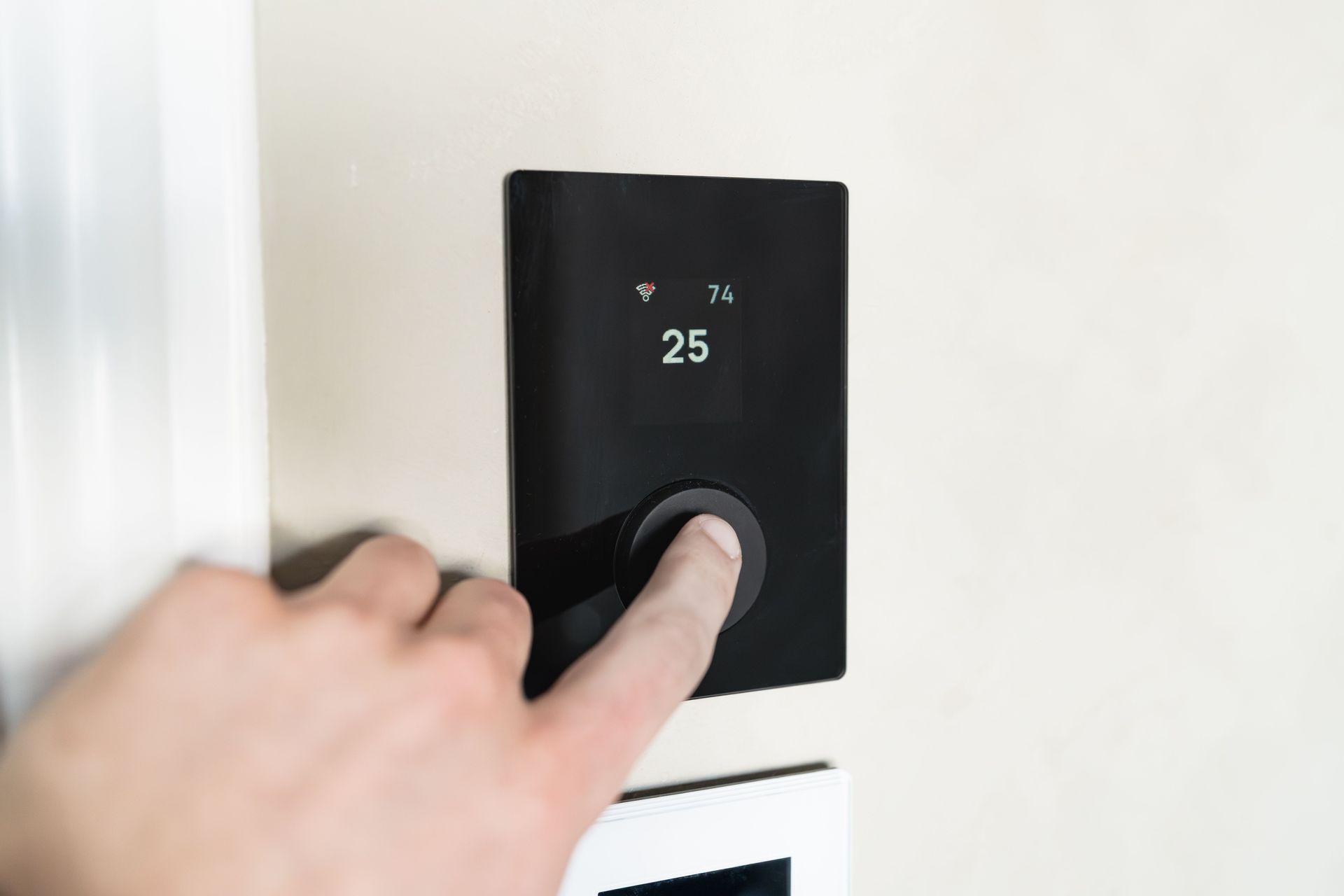
✅ Test your thermostat and adjust your heating schedule for cooler weather.


✅ Check vents and registers to make sure furniture, rugs, or other items aren’t blocking airflow.


If you notice unusual smells, sounds, or inconsistent heating when you test the system, it’s better to investigate early rather than discovering a problem on the first cold evening of the season.

🌧️ 2. Clean Your Gutters and Check Drainage:


This is one I’d emphasize for Silicon Valley.


After months of relatively dry weather, gutters and drainage systems may have collected leaves, dirt, and debris. Clearing them before seasonal rain arrives helps water move away from the house instead of overflowing where you don’t want it.


Remove leaves and debris from gutters.


✅ Make sure downspouts aren’t clogged.


✅ Check that downspouts direct water away from the foundation.


✅ Look for sagging or damaged gutter sections.


✅ Clear debris from exterior drains and drainage channels.


✅ Check areas around the foundation where water could potentially collect.


The first substantial rain isn’t the ideal time to discover that a downspout or drain isn’t working properly.


🏠 3. Give the Roof a Visual Check:


You don’t necessarily need to climb onto the roof yourself—and for safety reasons, homeowners may be better off leaving close inspections to a qualified professional.


From the ground, however, you can look for obvious signs of trouble.


✅ Look for visibly damaged, loose, or missing roofing materials.


✅ Check flashing around chimneys, vents, and other roof penetrations if safely visible.


✅ Look for debris accumulating on the roof.


✅ Trim branches that are touching or hanging dangerously over the roof.


✅ Check ceilings and attic areas for signs of previous moisture intrusion.


Catching a potential roof issue before rainy weather can be much easier than dealing with a leak afterward.


🚪 4. Check Windows and Doors for Drafts:


Silicon Valley winters may be relatively mild, but you still don’t want heated air escaping through gaps around your home.


Walk around your doors and windows and look for worn seals, cracks, or obvious drafts.


Inspect weatherstripping around exterior doors.


✅ Check caulking around windows and door frames.


✅ Replace damaged seals where necessary.


✅ Make sure windows close and lock properly.


✅ Check exterior doors for gaps around the frame.


Improving these small areas can help keep the home more comfortable as temperatures drop.


🏡 5. Inspect the Exterior Before Rainy Weather:


Fall is a good time to simply walk around your property and look closely at areas you may normally ignore.


Pay attention to:


✅ Cracks or deterioration in exterior surfaces.


✅ Peeling or damaged paint.


✅ Loose railings or steps.


✅ Damaged fencing or gates.


✅ Signs of moisture around the foundation.


✅ Cracks or gaps around exterior penetrations.


✅ Areas where water may collect near the home.


You don’t have to fix every cosmetic imperfection immediately. The goal is to identify anything that could worsen when exposed to moisture.


🌳 6. Prepare Your Yard and Landscaping:


Fall maintenance isn’t only about the house itself.


Silicon Valley’s landscaping also deserves some attention before wetter and windier weather arrives.


✅ Trim dead or damaged tree branches.


✅ Remove leaves and debris from walkways and drainage areas.


✅ Check trees near the roof, driveway, and utility lines.


✅ Adjust irrigation schedules as temperatures cool and seasonal rainfall returns.


✅ Inspect outdoor lighting as daylight hours become shorter.


✅ Store or secure lightweight outdoor furniture and accessories.


Large or potentially hazardous tree work should be handled by an appropriate professional rather than treated as a DIY project.

🔥 7. Inspect the Fireplace and Chimney:


If your home has a wood-burning fireplace that you plan to use during the cooler months, fall is a natural time to make sure it’s ready.


✅ Have the fireplace and chimney inspected when appropriate.


✅ Clean accumulated soot or creosote as recommended by a qualified professional.


✅ Check the damper.


✅ Inspect the fireplace area for visible damage.


✅ Keep combustible items away from the fireplace.


For gas fireplaces, follow the manufacturer’s maintenance recommendations and have problems evaluated by a qualified technician.


🚿 8. Give Your Water Heater a Checkup:


Your water heater works year-round, so seasonal maintenance is a useful reminder to make sure it’s functioning properly.


Look for visible corrosion, moisture, or signs of leakage around the unit.


Depending on the type and age of your water heater, the manufacturer’s maintenance instructions may recommend periodic flushing or other servicing.


The original checklist suggests automatically flushing the water heater and setting it to 120°F. I’d make that advice less absolute: water-heater maintenance varies by system, and homeowners should follow the manufacturer’s guidance or consult a qualified plumber rather than assuming the same procedure applies to every unit.


🚨 9. Test Smoke and Carbon Monoxide Alarms:


This is an easy maintenance item to forget—and an important one to remember.


✅ Test smoke alarms.


✅ Test carbon monoxide alarms.


✅ Replace batteries when needed.


✅ Check the manufacturer’s replacement date for each device.


✅ Make sure alarms haven’t been removed, disconnected, or blocked.


It’s a simple task that can easily become part of your twice-a-year home maintenance routine.


💧 10. Look for Small Leaks Before They Become Big Problems:


Take a few minutes to check areas where water problems commonly appear.

Look under sinks, around toilets, near the water heater, around appliances, and anywhere you’ve previously noticed moisture.


Watch for:


Dripping faucets.


✅ Moisture under sinks.


✅ Water stains.


✅ Slow drains.


✅ Signs of corrosion.


✅ Unexplained musty odors.


✅ Changes in water pressure.


A small leak is usually much easier to address before it causes damage to cabinetry, flooring, drywall, or other parts of the home.


🧹 11. Clean the Dryer Vent:


Here’s another useful item I’d add to the original list.


Beyond cleaning the lint filter after loads, periodically checking and cleaning the dryer exhaust system can help the appliance operate properly and reduce lint accumulation.


If the vent is difficult to access or hasn’t been serviced in a long time, consider having it professionally cleaned.


👀 12. Check Your Attic and Insulation:


You don’t need to undertake a major insulation project every fall, but this is a good time to look for obvious problems.


Check for:


✅ Visible gaps or displaced insulation.


✅ Signs of moisture or roof leaks.


✅ Blocked ventilation.


✅ Evidence of pests.


✅ Unusual condensation.


If something looks wrong, have the area evaluated before making major changes. Attic ventilation and insulation work together, so simply adding more insulation isn’t always the correct solution.


🚰 13. Don’t Forget Outdoor Faucets and Irrigation:


I would modify the original source’s advice here for Silicon Valley.


Rather than telling every homeowner to shut off and drain outdoor faucets because of freeze risk, I’d say:


✅Disconnect and properly store garden hoses when they’re no longer being used regularly.


✅ Check outdoor faucets for leaks.


✅ Inspect irrigation lines and sprinkler heads.


✅ Adjust irrigation schedules for cooler weather and rainfall.


✅ Know where your exterior water shutoffs are located.


Homes in colder microclimates may require additional winterization, but the appropriate steps depend on the property and local conditions.


🧰 14. Check Your Emergency Supplies:


Fall is also a good reminder to review basic household preparedness. Make sure you know where important shutoffs and equipment are located, including:


✅ Main water shutoff.


✅ Electrical panel.


✅ Gas shutoff, where applicable.


✅ Flashlights and batteries.


✅ Fire extinguisher.


✅ Basic emergency supplies.


✅ Important household and insurance information


For Bay Area homeowners, preparedness isn’t only about winter weather. Having these basics organized is useful throughout the year.

A Little Maintenance Now Can Go a Long Way:


Home maintenance isn’t the most exciting part of homeownership, but preventive care can make a meaningful difference over time.


You don’t necessarily need to complete everything in a single weekend.


Start with the items most relevant to your property, prioritize anything related to safety or water intrusion, and create a seasonal maintenance routine you can realistically keep up with.


And if you notice something you’re unsure about, bring in the appropriate qualified professional rather than taking on a repair outside your experience.


For homeowners thinking about selling in the coming months, seasonal maintenance can serve another purpose too: keeping up with the small things now may mean fewer surprises when it’s eventually time to prepare the property for market.


Your Home Is Local, Too:


Just like the real estate market, home maintenance can vary based on location, property age, construction, and the systems inside your home.


A checklist is a useful starting point, but it can’t account for every property.


If you’re thinking about making improvements because you’re preparing to sell—or you’re unsure which projects could matter most before putting your Silicon Valley home on the market—it’s worth speaking with an experienced local Realtor who understands what buyers in your area are paying attention to.


And for HVAC, electrical, plumbing, roofing, chimney, structural, or other specialized work, always consult an appropriately qualified professional.


Fall Home Maintenance Checklist — Quick Save 🍂


Heating & Air:


🟠 Replace HVAC filter.
🟠 Test heating system.
🟠 Check thermostat.
🟠 Clear vents and registers.


Exterior & Rain Preparation:


🟠 Clean gutters and downspouts.
🟠 Check drainage.
🟠 Visually inspect roof.
🟠 Check exterior for damage.
🟠 Inspect windows and doors.


Safety & Systems:


🟠
Test smoke alarms.
🟠 Test carbon monoxide alarms.
🟠 Inspect fireplace/chimney if applicable.
🟠 Check water heater.
🟠 Look for plumbing leaks.
🟠 Check dryer vent.


Yard & Outdoor Areas:


🟠 Trim hazardous branches.
🟠 Clear leaves and debris.
🟠 Adjust irrigation.
🟠 Check outdoor faucets.
🟠 Store or secure outdoor items.
🟠 Check exterior lighting.


Around the House:


🟠 Check attic and insulation.
🟠 Review emergency supplies.
🟠 Locate important utility shutoffs.
🟠 Schedule professional maintenance where needed.


This checklist is intended as general homeowner information and isn’t a substitute for professional inspection, maintenance, or repair advice. The needs of each property can vary based on its age, construction, equipment, and location.

Recent Posts

By Scott Perry September 22, 2026
Discover local events, festivals, celebrations, and things to do throughout Silicon Valley and the Peninsula. Check back for new seasonal activities and events.
By Scott Perry September 17, 2026
See why walkability matters to homebuyers and what Silicon Valley families should consider before paying more to live near schools, parks, shops, and more.
By Scott Perry September 17, 2026
Thinking about a fall move? See what current Silicon Valley market data means for buyers and sellers and whether moving this season could make sense.
By Scott Perry September 11, 2026
Should you pay more for a Silicon Valley home or budget for private school? Compare housing, tuition, property taxes, and long-term financial costs.
By Scott Perry September 11, 2026
Learn how Silicon Valley buyers and sellers can use comparable sales and local market data to avoid overpricing a home or paying more than it’s worth.
By Scott Perry September 4, 2026
Buying a Silicon Valley condo or townhome? Learn 4 HOA red flags to check, including reserves, insurance, assessments, maintenance, and community rules.
By Scott Perry August 20, 2026
Still working but ready for less upkeep? See what mature Silicon Valley homeowners should consider when downsizing for their next chapter.
By Scott Perry August 20, 2026
Considering an occupied foreclosure? Learn about possession, inspections, title issues, repair costs, and other risks buyers should understand before purchasing.
By Scott Perry August 14, 2026
Discover four important financial and homeownership strategies to help Silicon Valley homeowners prepare for retirement with greater confidence and peace of mind.
By Scott Perry August 14, 2026
Learn how California’s new standalone ADU law could create more homeownership opportunities while helping Silicon Valley homeowners unlock property value and equity.
Show More