When it comes to real estate, one saying always rings true: location, location, location. Along with price, the neighborhood is often the top priority for buyers. After all, you’re not just buying a home — you’re choosing the lifestyle that comes with it.
Whether it’s proximity to schools and work, local restaurants, or simply the vibe, each neighborhood has its own personality. Some areas buzz with nightlife, while others are perfect for young families, foodies, or outdoor lovers. The good news? You can get a real sense of a neighborhood before you make the move. Here’s how.
Lean on Your Real Estate Agent
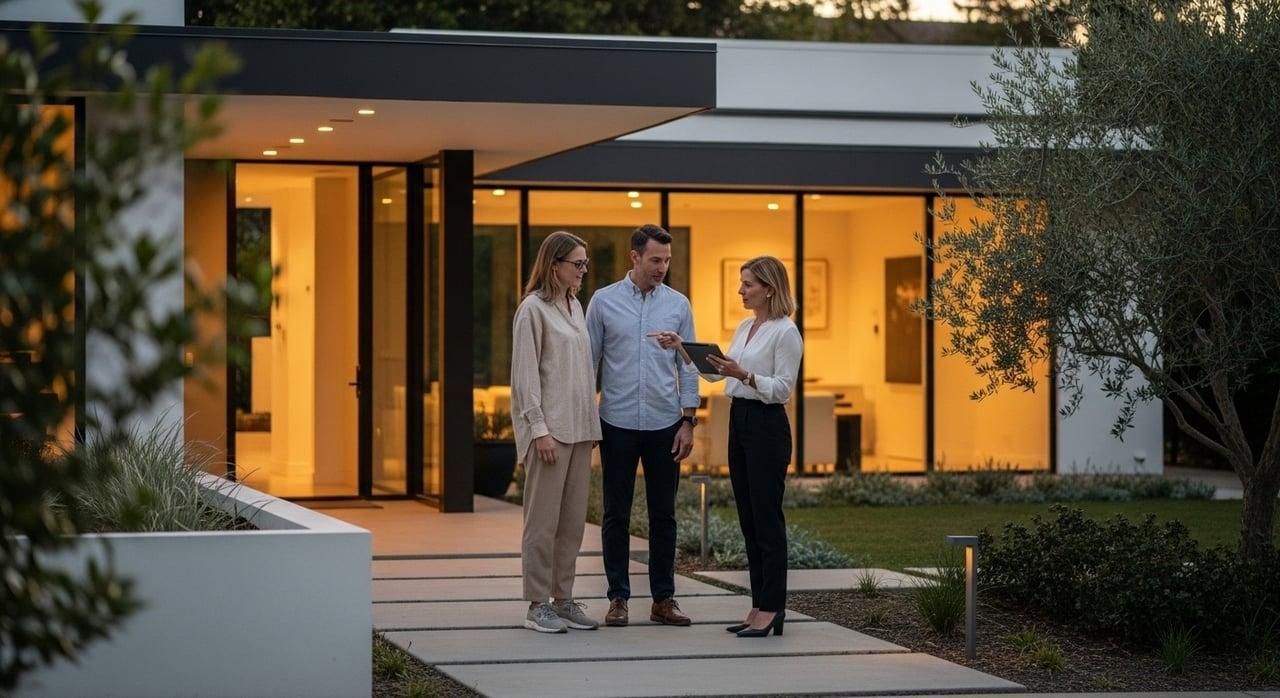
Your agent isn’t just there to unlock doors — they’re your local guide. A great agent understands not only market values and price trends but also the intangibles that make each area unique.
From parking patterns to walkability, school zones, and even local businesses, an experienced agent can point out the little things buyers often miss.
As one agent put it:
“Buying a home isn’t just a financial decision; it’s a lifestyle decision. The right agent helps you understand how a neighborhood truly fits your life — not just your budget."
Talk to the Locals
Want to know what life in a neighborhood is really like? Ask the people who live there.
Chat with potential neighbors, baristas, or even dog owners at the local park. You’ll quickly learn how friendly (or quiet) the community feels, what the local rhythm is like, and how the area has changed over time.
Try asking open-ended questions like:
“How long have you lived here?”
“What do you love most about this neighborhood?”
“Is there anything you wish you’d known before moving here?”
You might be surprised how much you can learn from a simple conversation at the coffee shop or while your dog plays fetch.
Explore at Different Times of Day
Don’t limit your neighborhood “test drive” to just one visit. Walk around in the morning, afternoon, and evening.
Take note of the details — Are the streets tree-lined or busy? How’s the noise level at night? Is the area bustling during rush hour or peaceful on weekends?
Also check your phone signal (yes, really). A beautiful neighborhood might lose some appeal if you can’t get reliable service for calls or navigation.
Stopping by local parks, grocery stores, or boutiques gives you a feel for the energy of the community — whether it’s laid-back, lively, or somewhere in between.
Dine, Watch and Observe
There’s no better way to get a sense of a community than through its food scene. Visit local restaurants, sit outside, and watch the crowd.
Are the locals dressed casually or more polished? Are the restaurants packed or quiet? These subtle cues often say a lot about the culture and pace of the neighborhood.
Dining out also gives you insight into the area’s schedule — early dinners and quiet streets by 9 p.m. can signal a family-oriented community, while late-night options suggest a younger, more energetic vibe.
Try a Short-Term Stay
If possible, spend a few nights in the neighborhood before making a purchase. Services like Airbnb or Vrbo let you “test-drive” an area like a local.
Staying through both weekdays and weekends gives you a sense of the daily rhythm — from morning commutes to nightlife noise, parking availability, and even grocery store convenience.
You’ll quickly notice whether the neighborhood fits your routine or feels off. Sometimes, a few days are all it takes to know if you’ve found your match.
Test The Commute
A beautiful home can lose its charm if your commute adds hours to your day.
Test your drive or transit route during the same hours you’d normally travel to work or school.
Even in Silicon Valley, where flexibility and remote work are common, commute times can shape your lifestyle — whether it means more time with family or less stress before your day begins.
Final Thoughts:
Buying a home is about more than square footage and finishes — it’s about how your life fits within a community. Before signing on the dotted line, take the time to explore, observe, and experience your potential new neighborhood firsthand.
After all, you’re not just finding a house — you’re finding your place to call home.
RELATED RESOURCES:
Contact Me to Discuss Your Options.
What 1st Time Buyers Should Know About Silicon Valley?
Closing Costs vs Prepaid Costs.
Why Homeownership Is Going to be Worth It.