

Why Some Retirees Are Choosing to Upsize Instead of Downsize
For years, downsizing was considered the natural next step for many retirees and empty nesters. The idea was simple: sell the larger family home, purchase something smaller, reduce maintenance, and use the remaining equity to strengthen retirement savings or leave an inheritance for the next generation.
But today’s housing market is changing that equation. Between higher home prices, elevated mortgage rates, and rising moving costs, downsizing isn’t always delivering the financial advantages it once did.
Instead, some retirees are considering a different strategy—purchasing a larger home with their adult children and using their home equity to help the next generation become homeowners sooner.
Why Downsizing Isn’t Always Saving Money
For many longtime homeowners, years of appreciation have created significant home equity. However, selling that home today doesn’t automatically mean walking away with as much financial flexibility as expected.
Several factors are reducing the financial benefits of downsizing, including:
- Higher mortgage rates on replacement homes
- Rising home prices, even for smaller properties
- Closing costs and moving expenses
- Renovation or repair costs after moving
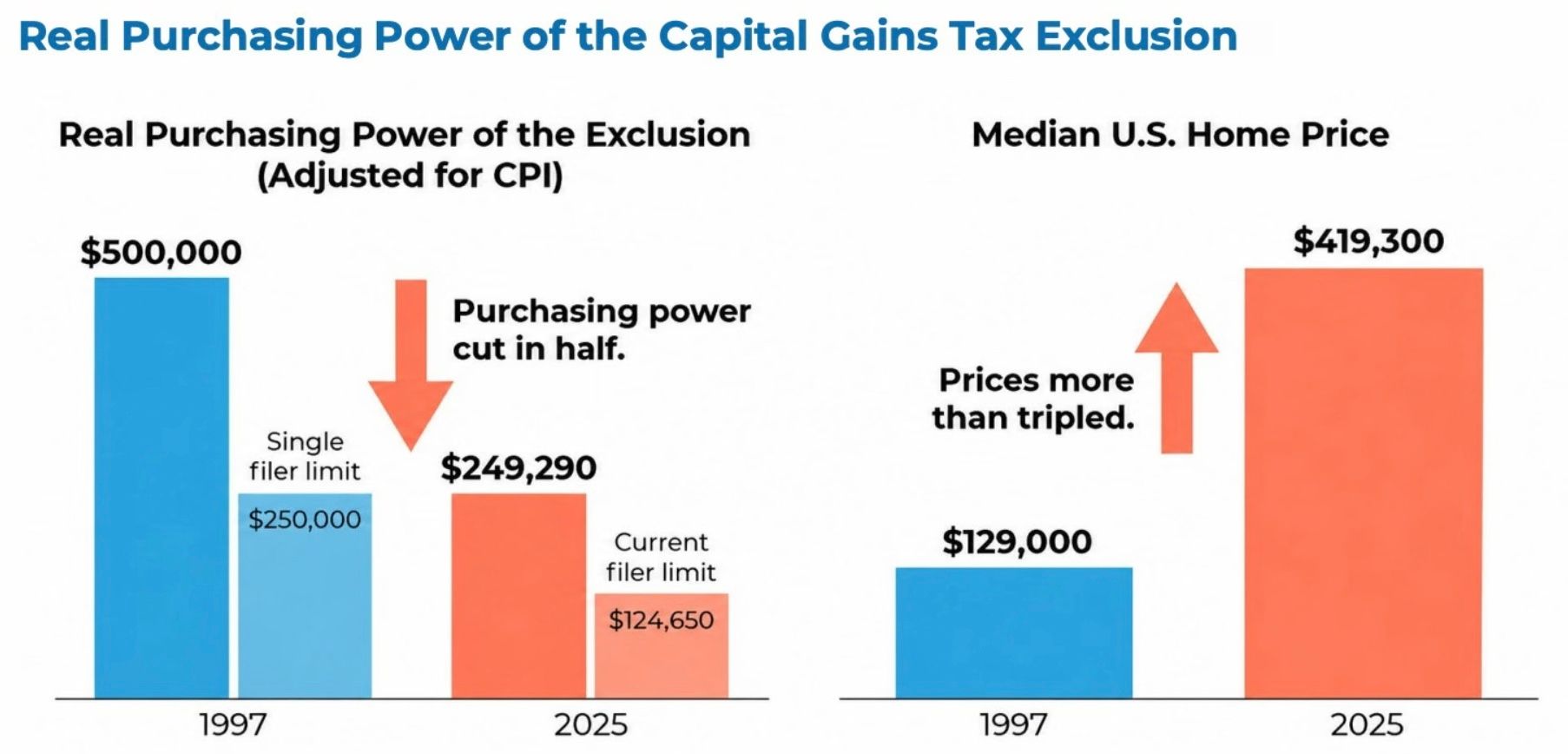
- Potential capital gains tax considerations

For some homeowners, purchasing a smaller home can still make sense. But after adding up every expense, the savings may be much smaller than anticipated.
Helping the Next Generation Become Homeowners
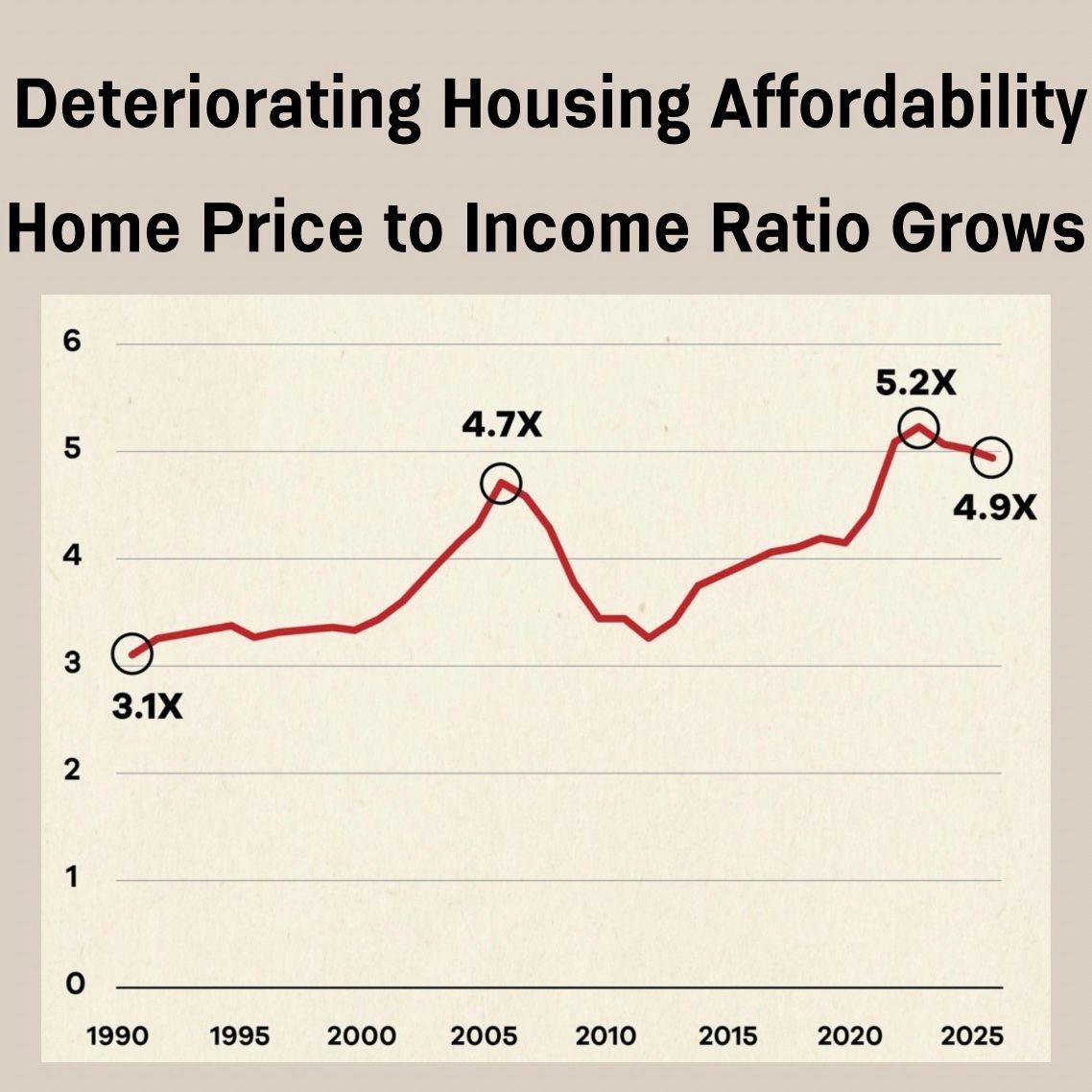
At the same time retirees are evaluating their options, many younger buyers continue to face significant affordability challenges.
High home prices, larger down payment requirements, student loan debt, and higher mortgage rates have made it increasingly difficult for many first-time buyers to enter the housing market.
For some families, combining resources has become a practical solution. By purchasing a multigenerational home together, parents may contribute accumulated home equity while adult children contribute income, creating buying power that neither generation might have on its own.

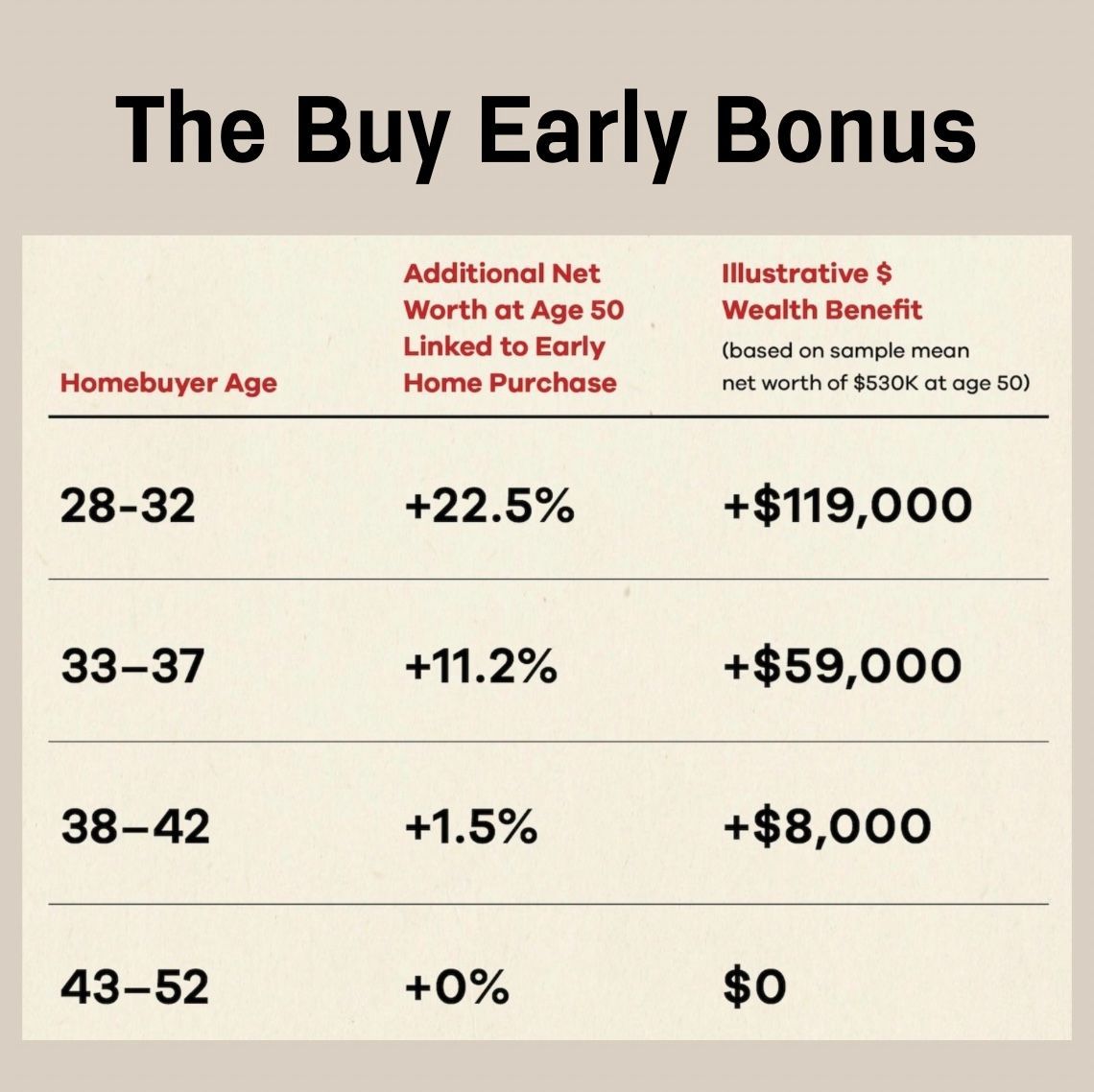
Rather than waiting years to pass along an inheritance, some families are choosing to provide financial support when it’s needed most—helping their children purchase a home today instead of decades later.
The Benefits of Multigenerational Living:
When planned carefully, buying a home together can create advantages for everyone involved. Potential benefits include:
- Increased purchasing power
- Shared housing expenses
- Greater financial flexibility
- The ability to purchase a larger or better-located home
- Earlier opportunities for younger generations to begin building home equity
For some families, this approach also strengthens long-term financial planning by allowing wealth to benefit multiple generations while everyone is still actively building their future.
It’s Not Without Challenges:
Of course, buying a larger home isn’t automatically the right solution for every family.
A larger property often comes with:
- Higher property taxes
- Increased insurance costs
- More maintenance
- Larger utility bills
- Shared financial responsibilities
Perhaps even more important than the financial considerations are the personal ones. Living together requires open communication, shared expectations, and careful planning before purchasing a home.

Put Everything in Writing:
If multiple family members will own the property together, having clear legal agreements is essential.
Before purchasing, families should discuss questions such as:
- Who will own the home?
- How will mortgage payments be divided?
- Who is responsible for maintenance and repairs?
- What happens if someone wants to move out?
- How will ownership be handled in the future?
Creating a written co-ownership agreement can help protect everyone involved and reduce the likelihood of misunderstandings later.
Is Upsizing the Right Choice?
For some retirees, downsizing still offers the lifestyle and financial benefits they’re looking for. For others, using home equity to purchase a larger home with adult children may create greater long-term value for the entire family.
The right decision depends on each family’s financial goals, living preferences, and long-term plans.
The Bottom Line:
Today’s housing market is encouraging many families to rethink traditional retirement strategies.
Rather than simply downsizing, some homeowners are finding that multigenerational living offers an opportunity to support adult children, preserve family wealth, and make the most of the equity they’ve spent years building.
If you’re considering your next move and wondering which option makes the most financial sense for your situation, speaking with a knowledgeable local real estate professional can help you evaluate the possibilities and create a plan that fits your family’s goals.