
Less House, More Home: Why Smaller Homes Are Becoming a Smart Choice for Today’s Buyers
When many buyers begin their home search, they often picture a certain type of home — extra bedrooms, a large backyard, and plenty of square footage. But once they start exploring what’s available within their budget, reality can look a little different.
With affordability remaining a challenge in many markets, buyers are adjusting their expectations and discovering something surprising: a smaller home doesn’t necessarily mean sacrificing quality of life. In fact, today’s smaller homes may offer advantages that larger properties simply can’t match.
New Construction Homes Are Getting Smaller:
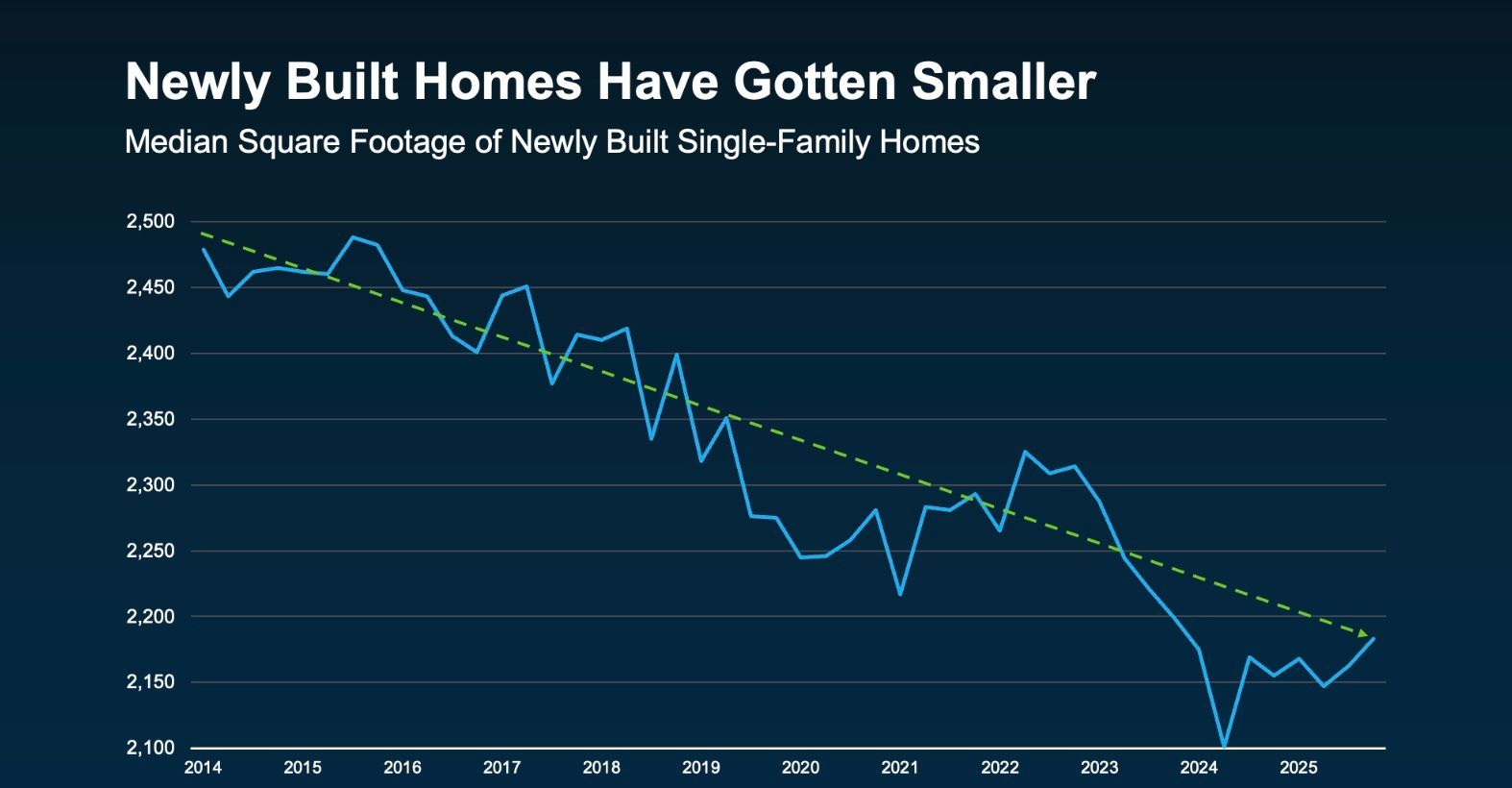
One trend that’s been gaining momentum over the past decade is the shift toward smaller newly built homes.
Builders pay close attention to buyer demand, and many homebuyers today are prioritizing affordability, functionality, and modern features over sheer square footage. As a result, the average size of newly constructed single-family homes has gradually decreased in recent years.
For many buyers, this shift creates new opportunities. Smaller homes often come with a lower purchase price while still offering open floor plans, updated kitchens, energy-efficient features, and move-in-ready convenience.
If you’ve been struggling to find an existing home that fits both your needs and your budget, exploring new construction communities may be worth considering.
A thoughtfully designed smaller home can often feel much larger than its actual square footage suggests.
Condos Offer Another Affordable Path to Homeownership:
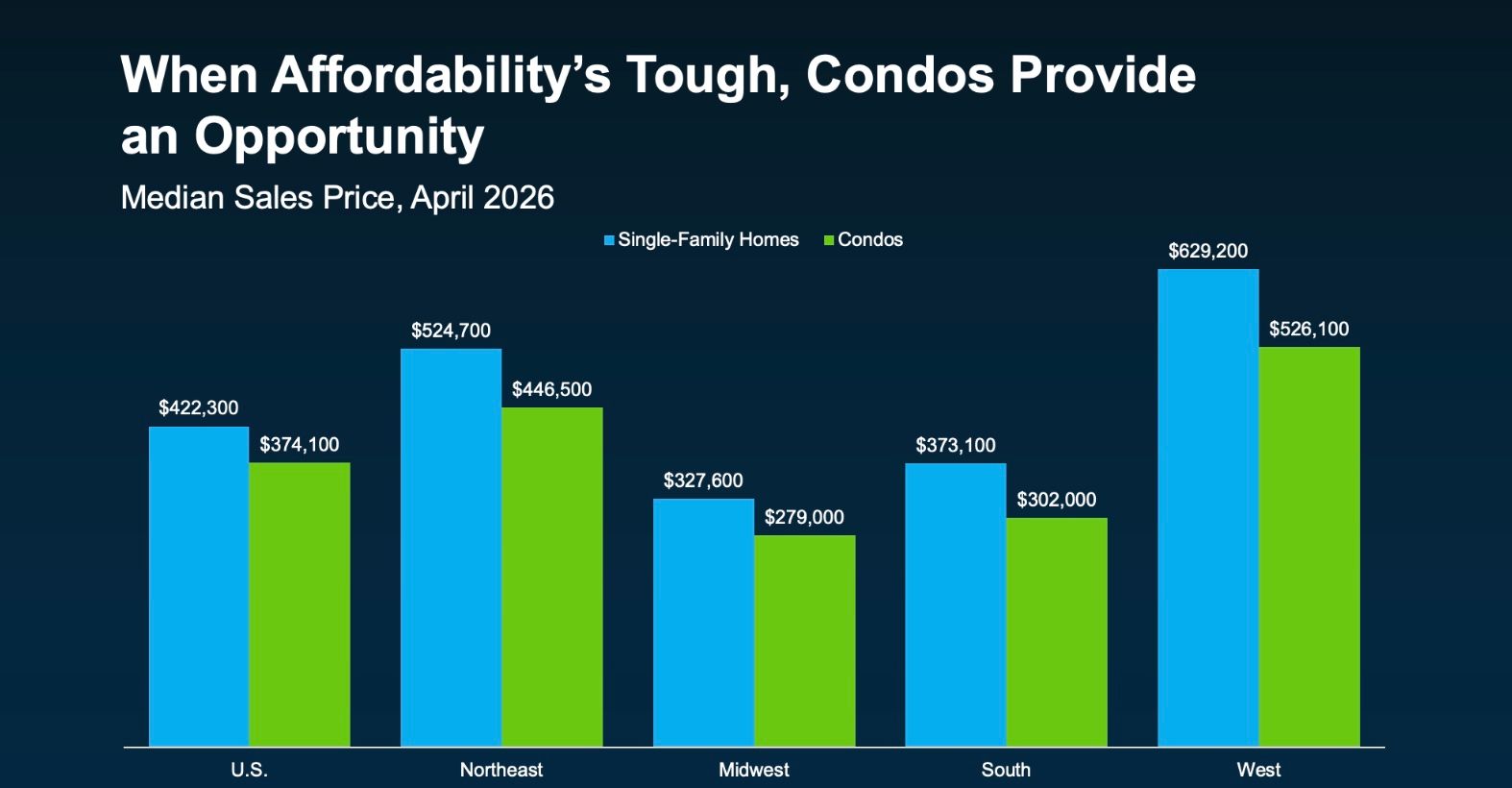
For buyers looking to maximize affordability, condominiums can provide another attractive option.
Because condos typically offer less square footage than detached single-family homes, they often come with a more accessible price point. That lower cost can make homeownership possible for buyers who may otherwise feel priced out of the market.
Across many markets, condos continue to attract buyers seeking value, convenience, and lower maintenance responsibilities.
Beyond affordability, many condo communities provide amenities that would be costly to maintain in a standalone home, such as fitness centers, pools, clubhouses, and shared outdoor spaces.
For many buyers, the combination of affordability and convenience makes condo living an appealing option.
The Community Can Add Value Beyond Square Footage:
One of the biggest advantages of many smaller homes and condos isn’t found inside the home itself — it’s found in the surrounding community.
Many modern neighborhoods and master-planned developments are designed around lifestyle. Residents often enjoy access to walking trails, parks, fitness facilities, co-working spaces, community events, and recreational areas.
These amenities can help offset the need for additional square footage inside the home.
For example:
- A community gym may eliminate the need for a dedicated workout room.
- Shared co-working spaces can provide a productive work environment close to home.
- Parks, trails, and gathering spaces create opportunities to enjoy more of your neighborhood.
When viewed through that lens, choosing a smaller home can feel less like a compromise and more like a lifestyle upgrade.
Why Smaller Homes Make Sense for Many Buyers:
While larger homes will always appeal to some buyers, today’s market is encouraging many people to rethink what they truly need.
A smaller home can offer:
- Lower monthly housing costs
- Reduced maintenance responsibilities
- Greater affordability
- Access to desirable neighborhoods
- Modern features and finishes
- Lifestyle-focused communities
For many homeowners, it’s not about having the largest home possible. It’s about finding the right home that supports their goals, budget, and lifestyle.
The Bottom Line:
Today’s smaller homes and condominiums offer much more than their square footage may suggest.
They can provide affordability, convenience, modern design, and access to communities built around the way people live today.
If you’re exploring your options and wondering what types of homes may fit your goals and budget, working with a local real estate professional can help you identify opportunities you may not have considered.