The Truth About Italy’s 1 Euro Homes

Scott Perry • May 22, 2026

Share this article

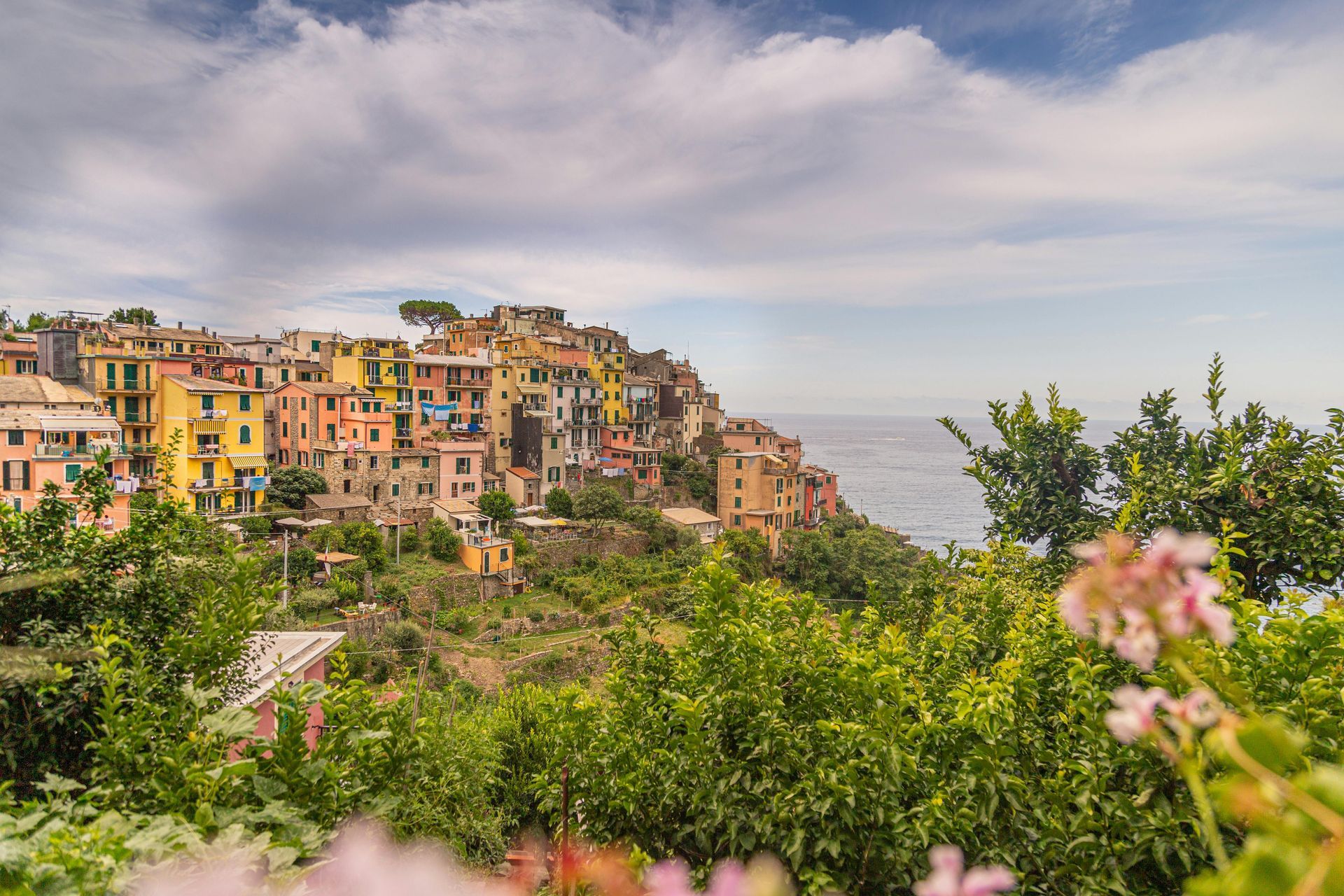
If you’ve ever dreamed of living in a charming European village surrounded by beautiful scenery, historic streets, and a slower pace of life, you’ve probably heard about Italy’s famous 1 euro homes.


And yes — despite sounding almost too good to be true — these programs are very real.


Across several small towns in Italy, particularly in regions like Sicily, Calabria, and even parts of northern Italy, local governments have started offering abandoned homes at symbolic prices as a way to attract new residents and revitalize rural communities that have seen declining populations over the years.

How Did It Start?


The concept gained major attention around the end of 2019 and quickly became an international talking point. Many of these towns had been struggling with:


  • Declining populations
  • Aging communities
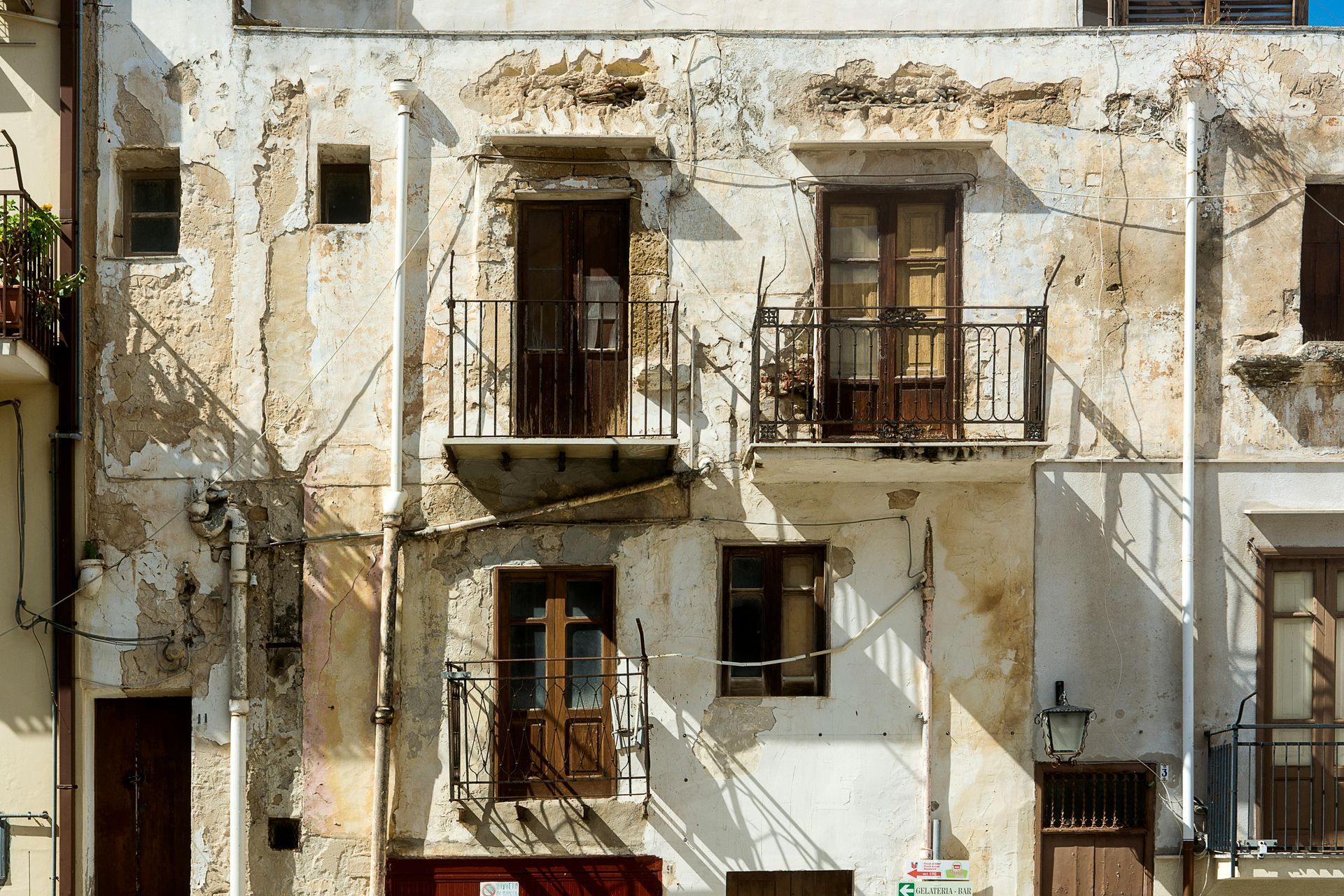
  • Vacant and deteriorating homes
  • Reduced local economic activity


The idea was simple: offer unused homes at extremely low prices to encourage new families, investors, and international buyers to move in and help bring life back to these communities.


Over time, the program expanded across the country, and today dozens of towns have participated in similar initiatives. Some villages have reportedly sold hundreds of properties through these programs.


Do the Homes Really Cost 1 Euro?


Technically, yes — but there’s more to the story. Today, many of these properties are sold through auction-style systems. While bidding may begin at 1 or 2 euros, final prices often increase depending on demand.


In many cases, buyers ultimately pay somewhere between €5,000 and €10,000, which is still relatively affordable compared to many other European real estate markets. But the real investment usually comes after the purchase.

The Catch:

Renovation Requirements:


Most of these homes are older properties that require significant renovations. That’s where the main condition of the program comes in: buyers are typically required to renovate the property within a certain timeframe, usually between two and three years.


Some towns also require a security deposit, which can be forfeited if the renovation work is not completed on time. While that may sound intimidating, many buyers still see tremendous potential in these historic homes and believe the opportunity is worth the additional investment.


Several homeowners who participated in the program have shared that renovation costs can easily climb into the tens of thousands of dollars once construction, permits, and upgrades are factored in.


Is It Worth It?


That really depends on your expectations, budget, and long-term goals. People who have had successful experiences with these programs often recommend:


  • Having a realistic renovation budget
  • Visiting the property in person before purchasing
  • Researching the town and local regulations carefully
  • Moving quickly when good opportunities become available


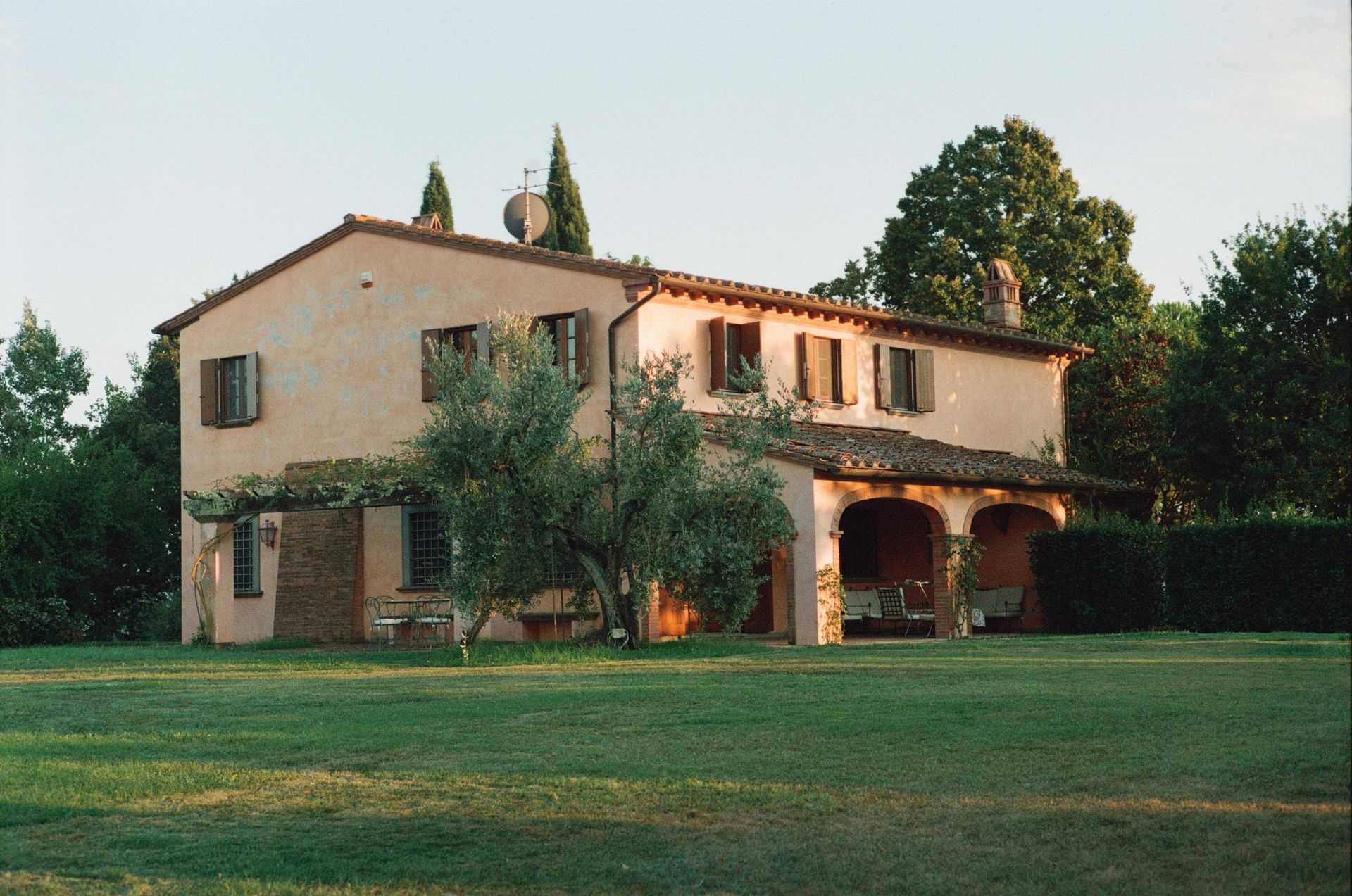
It’s also important to understand that many of these homes are historically significant, meaning renovations may need to preserve original architectural elements.

A Trend That’s Transforming Rural Italy:


Beyond the viral headlines, these programs are having a real impact on many local communities.

New residents arriving from around the world are helping revive areas that had been losing population for years — bringing new energy, tourism, small businesses, and cultural diversity to towns that were slowly fading over time.


For many local governments, the goal isn’t simply to sell homes. It’s to help rebuild communities and create long-term economic activity.


The Appeal of Starting Fresh:


At the end of the day, Italy’s 1 euro homes represent more than just an unusual real estate opportunity.


For some people, they symbolize the chance to slow down, experience a different lifestyle, and become part of a historic community surrounded by culture, architecture, and natural beauty.


Of course, understanding the true costs and responsibilities behind the program is essential before making any major decision.


But for the right buyer, these homes may offer something that’s becoming increasingly rare — the opportunity for a completely new beginning.

Recent Posts

By Scott Perry August 20, 2026
Still working but ready for less upkeep? See what mature Silicon Valley homeowners should consider when downsizing for their next chapter.

By Scott Perry August 20, 2026
Considering an occupied foreclosure? Learn about possession, inspections, title issues, repair costs, and other risks buyers should understand before purchasing.
By Scott Perry August 14, 2026
Discover four important financial and homeownership strategies to help Silicon Valley homeowners prepare for retirement with greater confidence and peace of mind.
By Scott Perry August 14, 2026
Learn how California’s new standalone ADU law could create more homeownership opportunities while helping Silicon Valley homeowners unlock property value and equity.
By Scott Perry August 4, 2026
Learn the difference between mortgage pre-qualification and pre-approval, why both matter, and how pre-approval can strengthen your offer when buying a home in Silicon Valley.
By Scott Perry July 31, 2026
Thinking about selling a luxury home in Silicon Valley? Explore today’s market and what high-end homeowners should consider before making a move.
By Scott Perry July 31, 2026
Explore how Silicon Valley condos and townhomes can offer a more affordable, lower-maintenance alternative to single-family homes for today’s buyers.
By Scott Perry July 23, 2026
Thinking about buying a second home? Learn six important considerations, from maintenance and insurance to property management and long-term costs.
By Scott Perry July 16, 2026
Discover why more homeowners are choosing shorter, local moves to simplify life, reduce maintenance, and find a home that better fits their lifestyle.
By Scott Perry July 9, 2026
Discover how your Silicon Valley home equity could help you relocate, simplify your lifestyle, and create more financial freedom in retirement.
Show More