

What To Consider Before Buying a Waterfront Home
There’s something undeniably calming about living near the water. Whether it’s an ocean view, a peaceful lake, or a quiet riverfront setting, water has a unique ability to create a sense of relaxation and connection to nature.
For many homeowners, the appeal goes beyond aesthetics. Open water views often feel timeless and protected, offering scenery that changes beautifully throughout the day and across the seasons.
From sunrise reflections to dramatic storms rolling across the horizon, waterfront living can provide an atmosphere that feels both inspiring and peaceful.
Why Water Views Are So Desirable:
Natural surroundings have long been associated with lower stress levels and improved well-being. Studies have shown that views of water and nature can positively influence mental and emotional health, helping create a calmer living environment.
Beyond the emotional benefits, waterfront homes are often highly sought after because:
- Views are typically protected from future development
- Natural light tends to be enhanced near water
- Outdoor recreation is often more accessible
- Waterfront properties can feel more private and exclusive
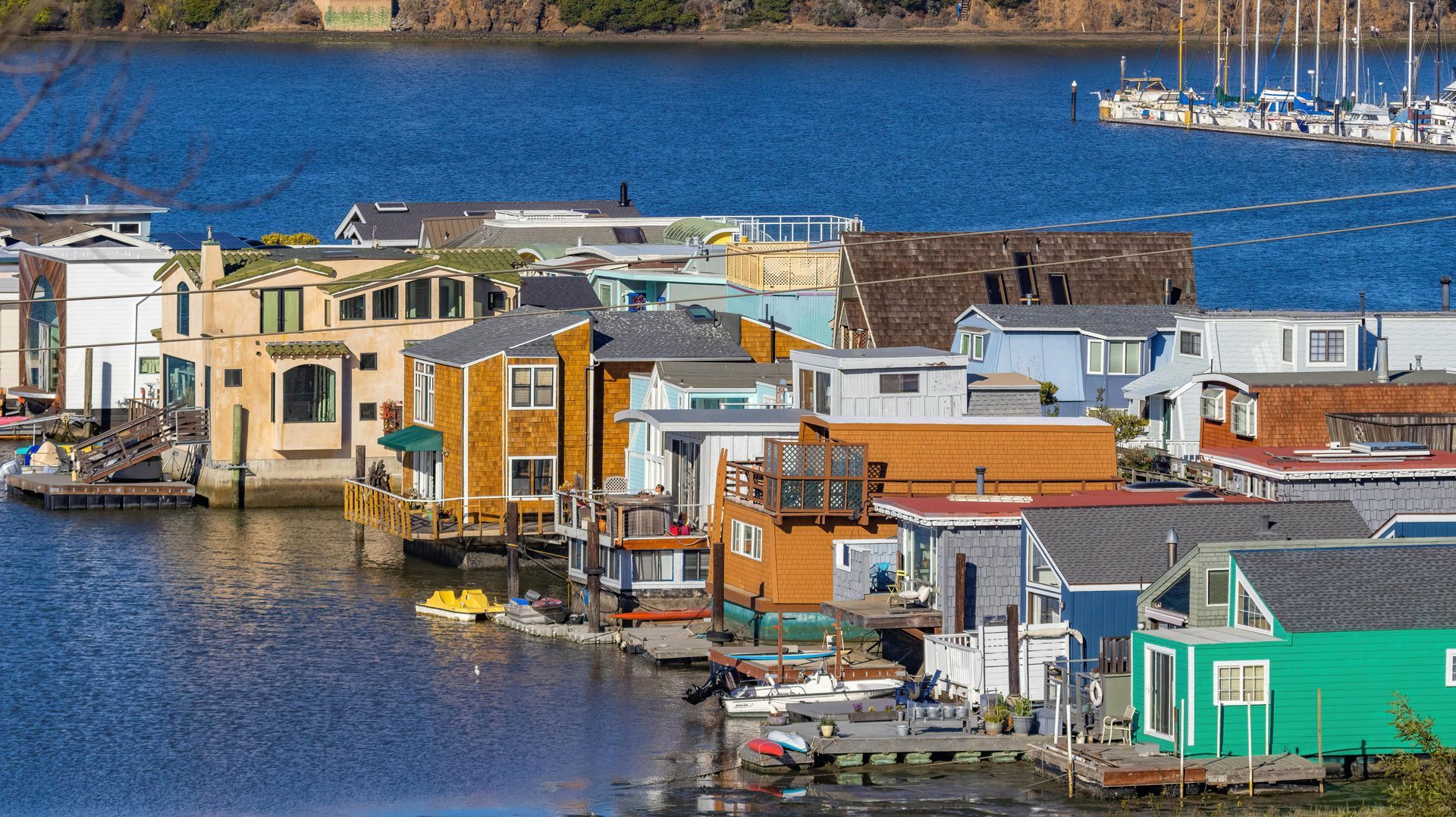
- Whether it’s a coastal property, a lakefront retreat, or a home overlooking a marina, water views continue to attract buyers looking for both lifestyle and long-term value.

The Cost of Waterfront Living:
While waterfront homes can offer exceptional lifestyle benefits, they also tend to come with premium pricing.
In many markets, properties with water views appreciate strongly over time because of their limited availability and ongoing demand. Depending on the location, homes near the water can command significantly higher prices compared to similar homes without views.
However, the purchase price is only one part of the equation. Buyers should also consider the long-term costs associated with maintaining a waterfront property.
These can include:
- Specialized insurance policies
- Higher maintenance expenses
- Weather-resistant construction materials
- Flood mitigation measures
- Hurricane or storm protection systems
- For some buyers, the lifestyle and long-term value make the investment worthwhile. For others, the added responsibilities may require more careful planning.
Weather and Environmental Considerations:
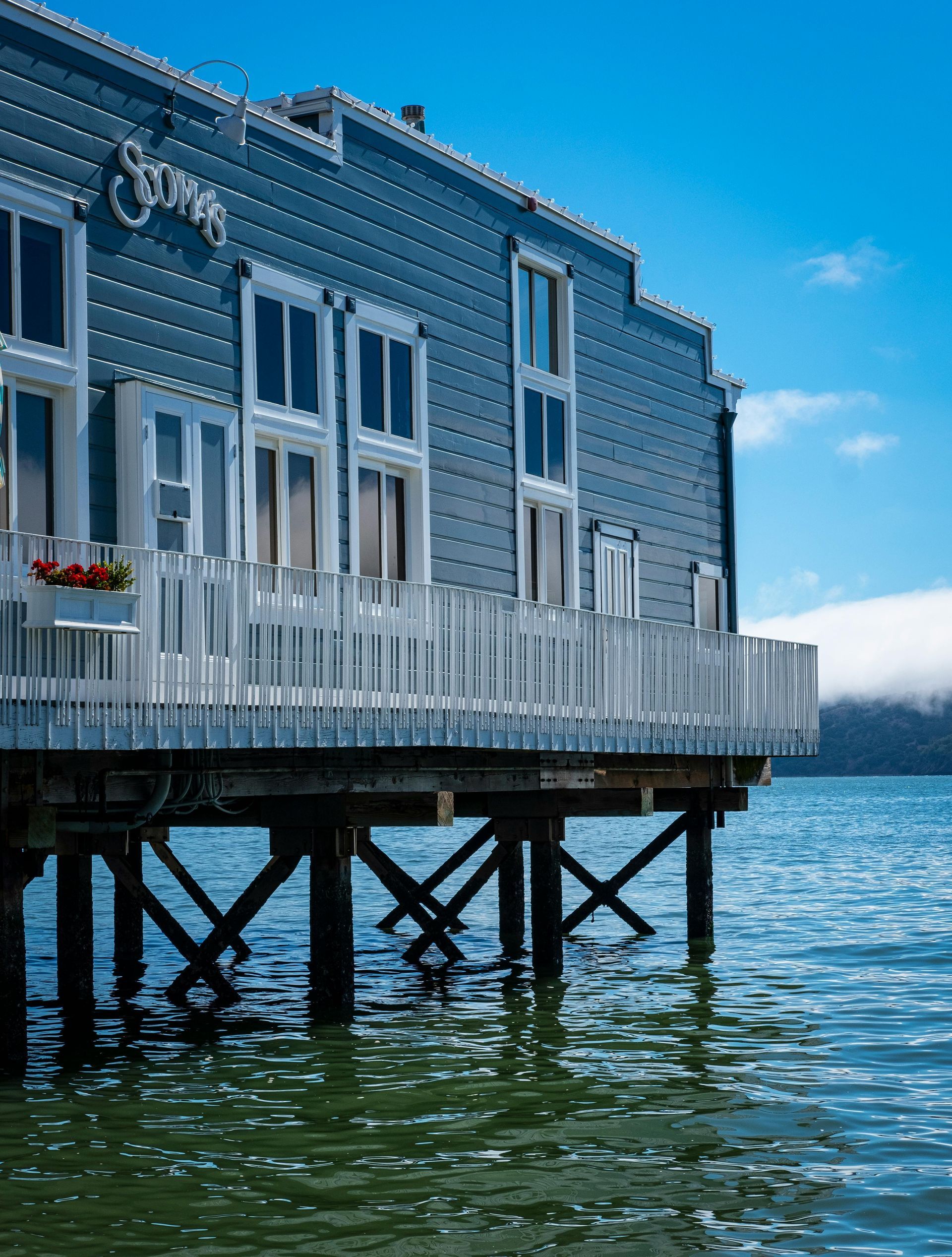
One of the biggest factors to evaluate before purchasing a waterfront property is exposure to weather-related risks.
- Depending on the region, waterfront homes may face:
- Flooding
- Coastal erosion
- Hurricanes or severe storms
- Salt-air corrosion
- Increased moisture exposure
These environmental conditions can accelerate wear on materials such as roofing, wood, metal, and concrete surfaces. Modern construction has improved significantly in coastal and waterfront areas, with many homes now incorporating:
- Impact-resistant windows
- Storm shutters
- Elevated foundations
- Flood-resistant materials
Still, buyers should understand that protecting a waterfront property often requires additional investment over time.

Insurance and Long Term Costs:
Flood insurance is an especially important consideration for homes near water. In many cases, lenders require flood insurance for properties located within designated flood-risk areas.
Costs can vary significantly depending on the property’s location, elevation, and exposure to extreme weather.
It’s also important to remember that water damage can happen quickly and unexpectedly. Even minor flooding can lead to substantial repair costs. Before purchasing a waterfront property, buyers may want to:
- Review flood zone maps
- Obtain insurance estimates early in the process
- Understand local weather risks
- Evaluate long-term maintenance expectations
As climate and weather patterns continue evolving, these factors are becoming increasingly important in waterfront real estate decisions.
Why Buyers Still Love Waterfront Homes
Despite the added costs and considerations, waterfront properties continue to remain some of the most desirable homes in the world.
Cities like Venice and Istanbul demonstrate how strongly people are drawn to life near the water, even in environments that present ongoing environmental and maintenance challenges.
Throughout history, communities have formed around coastlines, rivers, and lakes because water has always played a central role in transportation, trade, food, and daily life. Today, that connection remains just as powerful.
The Bottom Line
Buying a waterfront home can offer a unique lifestyle that many buyers find deeply rewarding. The beauty, tranquility, and long-term appeal of living near the water continue to attract homeowners across the world.
At the same time, waterfront properties come with important considerations, including insurance costs, maintenance requirements, and environmental risks.
Understanding both the lifestyle advantages and practical responsibilities can help buyers make more informed decisions when exploring waterfront real estate opportunities.