

3 Things That Probably Aren’t Happening in Today’s Housing Market

Scott Perry • May 7, 2026

Share this article

With so much uncertainty in today’s economy, it’s easy to feel overwhelmed by headlines about the housing market. And if you’re thinking about buying a home, all the noise online can make it difficult to know what’s actually true.


Recently, a CNBC study asked homebuyers what concerns them most right now, and three topics stood out:


  • Mortgage rates.
  • Housing inventory.
  • Home prices.


The challenge is that many of the conversations happening online are driven more by speculation than by actual market data. Here’s a closer look at some of the biggest misconceptions buyers are hearing today — and what the numbers are really showing.


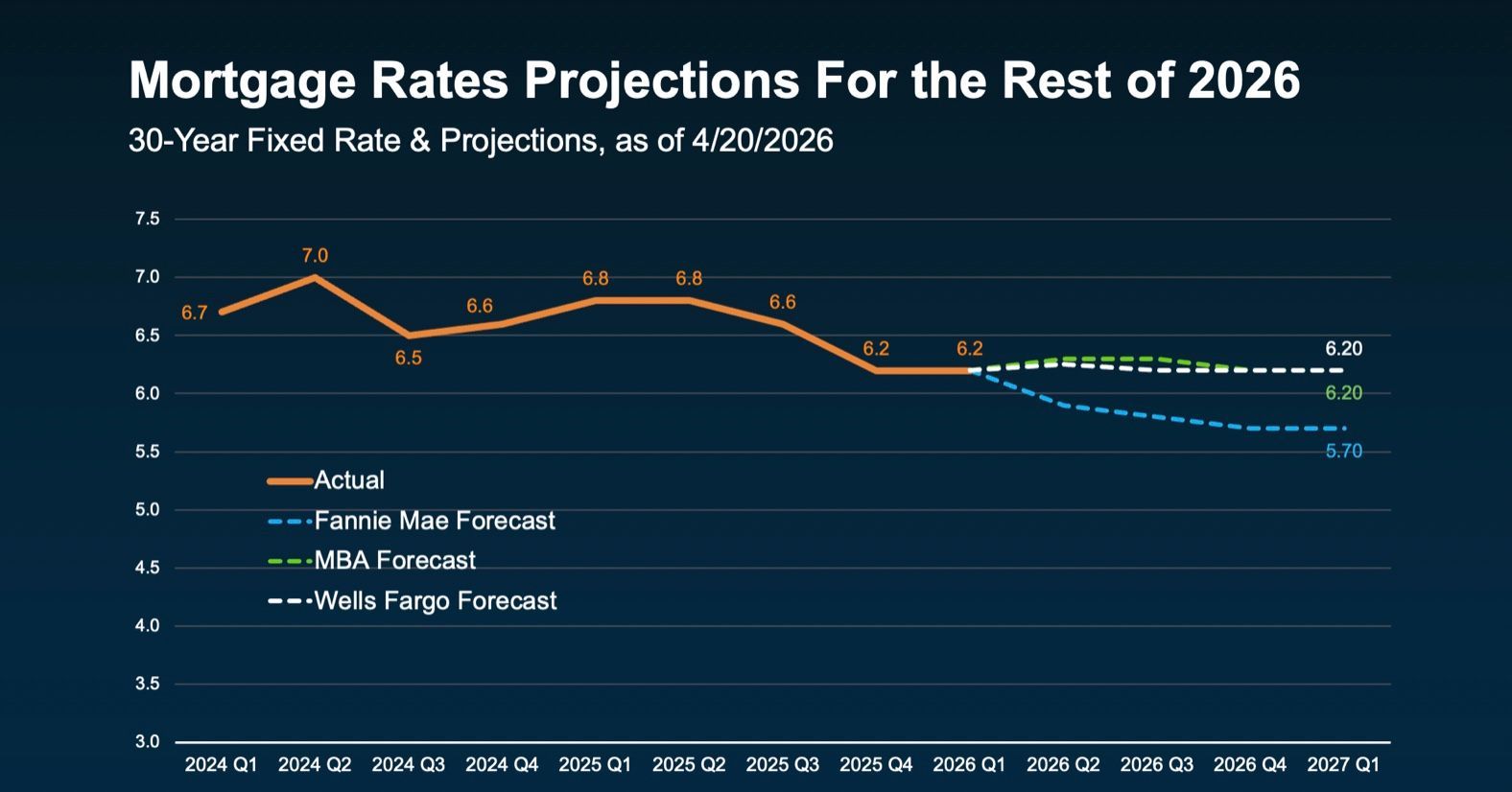
Misconception #1: “Mortgage Rates Are Going To Drop Dramatically Soon”


One of the most common ideas circulating online is that mortgage rates are about to fall significantly, leading some buyers to believe it’s better to wait before making a move.


But current forecasts don’t point toward a dramatic decline. While rates have eased slightly in recent weeks, most projections suggest they’re likely to remain somewhere in the low 6% range throughout much of the year — which isn’t a major shift from where they are today.

Of course, mortgage rates will continue to be influenced by inflation and broader economic conditions. But based on current expectations, waiting for a major drop in rates may not play out the way many buyers are hoping.


And even with today’s rates, affordability has improved compared to where things stood a year ago.


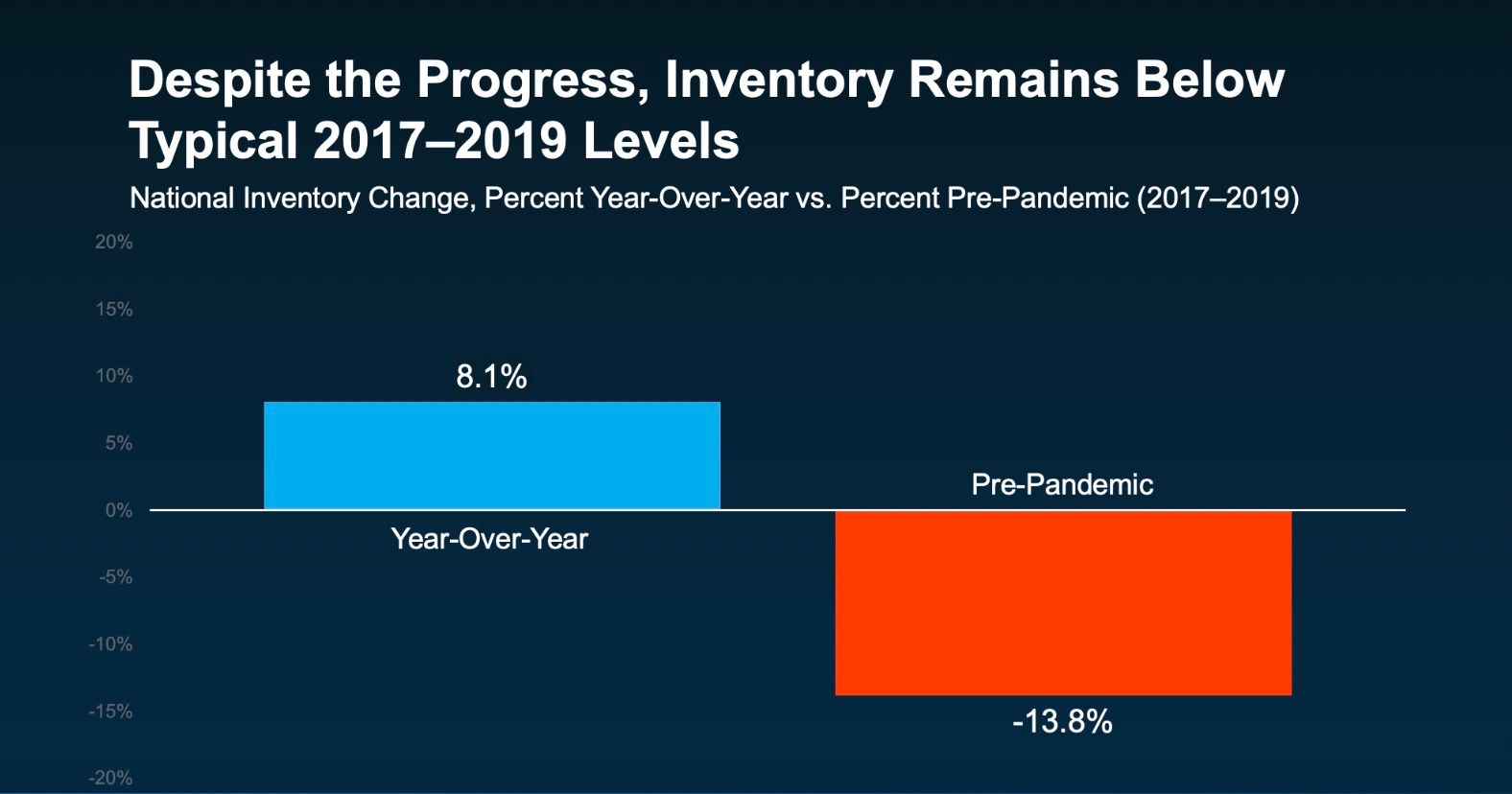
Misconception #2: “There Are Too Many Homes for Sale”


You’ve probably heard that housing inventory is rising — and nationally, that’s true. Compared to this time last year, there are more homes available for buyers.


But more inventory isn’t necessarily a negative thing. In fact, increased inventory is giving buyers more options and a little more flexibility than they had during the intense competition of the past few years.


Some headlines are making it sound like inventory is growing too quickly, especially when comparing today’s numbers to the historically low inventory levels seen during the pandemic housing boom. But the broader picture tells a different story.


Even with recent increases, housing inventory nationally still remains below what was considered normal before the pandemic.

And while conditions vary depending on location, many markets still don’t have enough available homes to create the kind of oversupply that contributed to the housing crash in 2008.


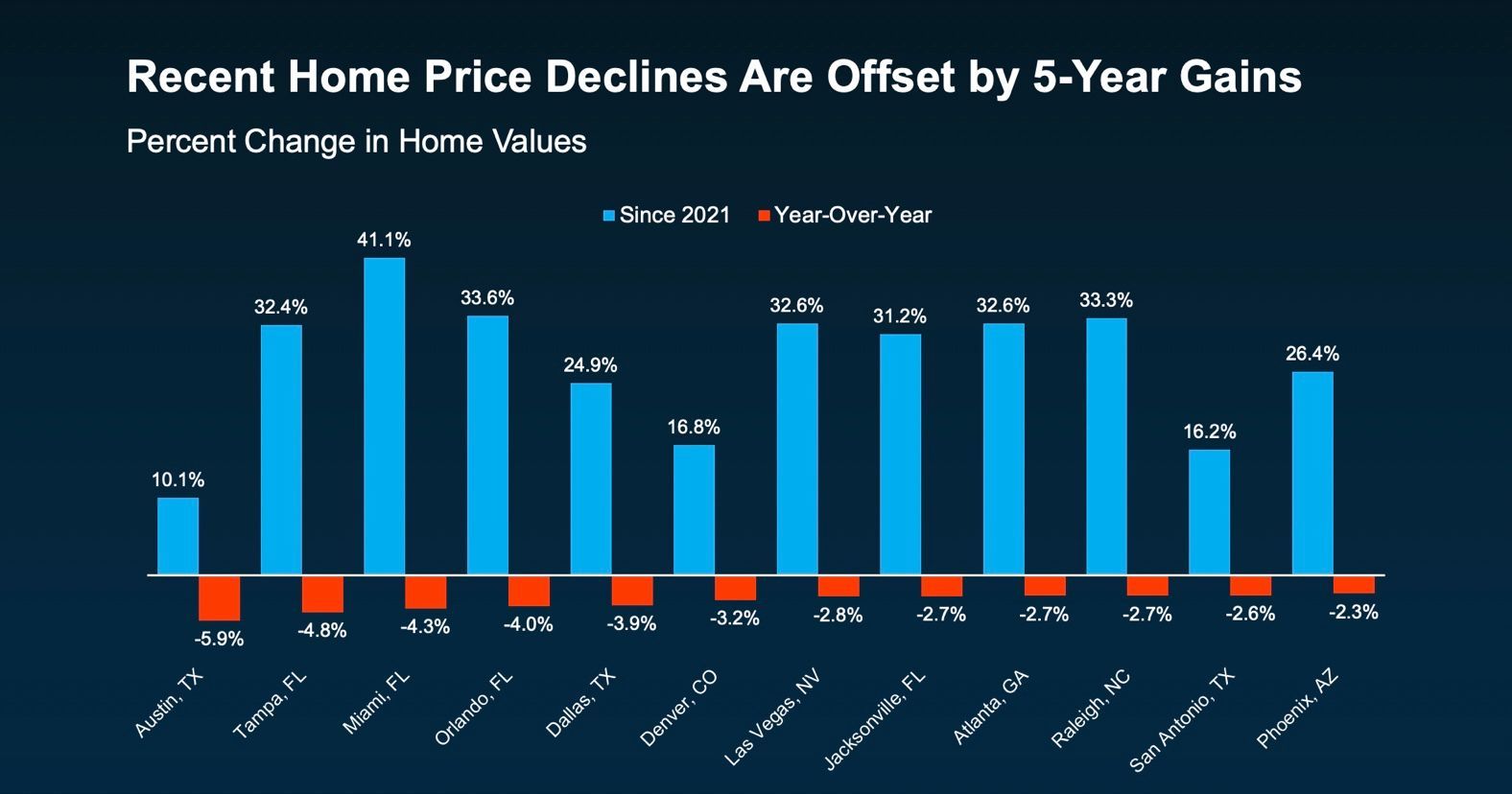
Misconception #3: “Home Prices Are About To Crash”


Another common concern is the idea that home prices are about to collapse. This perception is largely being fueled by reports of small price declines in select markets. But a slight adjustment in certain areas is very different from a nationwide crash. In most markets, home prices are still rising — just at a more moderate pace.


Several factors continue to support pricing:


  • Many homeowners are holding onto the low mortgage rates they secured in previous years, limiting the number of homes entering the market
  • Inventory levels in many areas remain below pre-pandemic norms
  • Some sellers are choosing to temporarily remove their homes from the market instead of making major price reductions
  • These conditions continue to help stabilize home values.

Even in markets where prices have softened slightly, most homeowners are still far ahead compared to where values were five years ago. What we’re seeing today is generally considered market normalization — not a crash.


The Bottom Line:


Online headlines can often make market conditions feel more dramatic than they actually are. That’s why it’s important to look at reliable data and understand what’s happening both nationally and locally.


Real estate markets can vary significantly from one area to another, especially in regions like Silicon Valley, where inventory, demand, and pricing trends may differ from national averages.


If you’re looking for a clearer understanding of today’s market and what it could mean for your goals, working with a knowledgeable local real estate professional can help you make more informed decisions.

Recent Posts

By Scott Perry September 22, 2026
Discover local events, festivals, celebrations, and things to do throughout Silicon Valley and the Peninsula. Check back for new seasonal activities and events.

By Scott Perry September 17, 2026
See why walkability matters to homebuyers and what Silicon Valley families should consider before paying more to live near schools, parks, shops, and more.

By Scott Perry September 17, 2026
Thinking about a fall move? See what current Silicon Valley market data means for buyers and sellers and whether moving this season could make sense.
By Scott Perry September 11, 2026
Should you pay more for a Silicon Valley home or budget for private school? Compare housing, tuition, property taxes, and long-term financial costs.
By Scott Perry September 11, 2026
Learn how Silicon Valley buyers and sellers can use comparable sales and local market data to avoid overpricing a home or paying more than it’s worth.

By Scott Perry September 4, 2026
Buying a Silicon Valley condo or townhome? Learn 4 HOA red flags to check, including reserves, insurance, assessments, maintenance, and community rules.

By Scott Perry August 20, 2026
Still working but ready for less upkeep? See what mature Silicon Valley homeowners should consider when downsizing for their next chapter.

By Scott Perry August 20, 2026
Considering an occupied foreclosure? Learn about possession, inspections, title issues, repair costs, and other risks buyers should understand before purchasing.

By Scott Perry August 14, 2026
Discover four important financial and homeownership strategies to help Silicon Valley homeowners prepare for retirement with greater confidence and peace of mind.

By Scott Perry August 14, 2026
Learn how California’s new standalone ADU law could create more homeownership opportunities while helping Silicon Valley homeowners unlock property value and equity.

Show More