


Looking to sell an investment property without getting hit with a massive tax bill? A 1031 Exchange could be the tool you need to build long-term wealth. What Exactly Is a 1031 Exchange? A 1031 Exchange —named after Section 1031 of the Internal Revenue Code—lets you sell one investment property and reinvest the profits into another “like-kind” property without immediately paying capital gains taxes . Instead of cashing out and owing Uncle Sam, you keep your money working for you by rolling it into a new property. How it Works? Let’s say: You sell a rental property in San Jose with a $300K profit, normally, you’d owe capital gains tax on that amount but if you reinvest the full proceeds into another qualifying property within a set time frame—you defer the tax liability to the new property. When your heirs inherit the property they will take advantage of a step-up in basis, eliminating the capital gains completely! Key 1031 Exchange Rules to Know: To qualify, you need to follow a few important rules: Investment Properties Only: Primary residences don’t qualify—this is for properties held for investment or business use. 2. Like-Kind Properties: You’re not limited to the same type of property—but it must be real estate (e.g., trading a duplex for a single-family rental). 3. Strict Deadlines: You have 45 days to identify potential replacement properties. You must close within 180 days of selling your original property. 4. Use a Qualified Intermediary: You can’t touch the funds yourself. A 1031 intermediary holds the money during the exchange to ensure IRS compliance. Why Investors Love the 1031 Exchange: Defer capital gains taxes (which can be 15–20%+) Leverage more buying power Build long-term wealth Diversify your portfolio (e.g., exchange a single property for multiple ones) Consolidate properties for easier management or higher returns It’s one of the few tools that allow you to grow your real estate portfolio tax-deferred —and it’s completely legal when done correctly. Can You Keep Doing It Over and Over? Yes. You can keep exchanging property after property and continue deferring taxes indefinitely . Many investors use this strategy for decades—sometimes until the property is passed to heirs, who may receive a step-up in basis , wiping out deferred taxes entirely. (That’s why this strategy is sometimes called “swap ‘til you drop.”) FAQs About 1031 Exchange: Can I do a 1031 Exchange with a second home? Only if it’s used as a rental/investment and meets IRS requirements—not if it’s just a vacation home. 2. What happens if I don't reinvest all the proceeds? Any leftover cash is called “boot,” and you’ll pay capital gains tax on that portion . 3. Do I have to reinvest in the same city or state? Nope. As long as it’s U.S. real estate, location doesn’t matter . Final Thoughts A 1031 Exchange isn’t just a tax loophole—it’s a strategic tool for investors who want to grow their portfolios efficiently and defer taxes while staying active in the real estate market. But it’s also detail-sensitive. The timelines, rules, and paperwork must be handled carefully—so it’s important to work with professionals who know the process. 👉Thinking About Selling an Investment Property? Let's Talk. 👉 Understanding Capital Gains Taxes When Selling 👉 What is a Step-Up in Basis? A Tax Advantage Explained 👉 Proposition 19: What It Means for InheritedProperty Owners 👉 Learn More About Financing Options 👉 Real Estate Glossary: Common Terms You Should Know

In November 2020, California voters passed Proposition 19, also known as The Home Protection for Seniors, Severely Disabled, Families, and Victims of Wildfire or Natural Disasters Act. While the title is a mouthful, the measure introduced several important benefits for homeowners, buyers, and families navigating property ownership and inheritance. Here’s a breakdown of the major advantages of Prop 19: 1. Greater Flexibility for Seniors, Disabled Homeowners and Disaster Victims Before Prop 19, homeowners over 55 (or disabled, or victims of a natural disaster) could transfer their property tax base to a new home only once—and only if it was equal or less in value than their current residence, and within a limited number of counties. With Prop 19: Eligible homeowners can transfer their existing tax base up to three times in their lifetime. They can move anywhere in California—no more county restrictions. They can even purchase a more expensive home and carry their old tax base with an upward adjustment. This makes downsizing, relocating closer to family, or moving after a disaster much more financially feasible. 2. Portability Encourages Housing Turnover Many older Californians felt “locked in” to their homes because moving meant giving up their low property tax base. By allowing tax base portability statewide, Prop 19 reduces this lock-in effect. As a result: Seniors can right-size into homes that better fit their needs. More homes become available for younger families and first-time buyers. It helps keep the housing market moving, which benefits both sellers and buyers. 3. Fairness in Property Inheritance Rules Prop 19 also made changes to property tax benefits for inherited properties. Previously, children could inherit a parent’s (or grandparent’s) home and keep the low tax base—even if they used it as a second home or rental property. Now: Children (or grandchildren) who inherit must use the home as their primary residence to keep the tax benefit. This ensures tax savings are preserved for families genuinely living in the property, not for vacation or rental homes. This shift aims to make the system fairer, while generating additional revenue for local services. 4. Increased Funding for Local Governments & Fire Protection By closing loopholes on inherited vacation and rental properties, Prop 19 is projected to generate hundreds of millions of dollars each year in revenue. These funds are directed toward: Local governments, which benefit from more stable property tax revenue. Fire protection services, a crucial need in California given the ongoing risks of wildfires. This creates a broader community benefit that goes beyond individual homeowners. 5. Supporting Families Through Life Changes Whether it’s a senior downsizing, a disabled homeowner needing a more accessible space, or a family rebuilding after a wildfire, Prop 19 provides real relief during major life transitions. It removes financial barriers that once prevented people from moving into homes that better serve their needs. Final Thoughts Prop 19 modernized California’s property tax rules to reflect today’s realities. By expanding tax base transfer options, encouraging housing turnover, and making inheritance rules more equitable, it provides practical advantages for homeowners while strengthening local communities. For families, seniors, and anyone navigating real estate in California, understanding Prop 19 can open the door to opportunities that may have once seemed out of reach. You Might Also Like: 👉 Understanding Capital Gains Taxes When Selling 👉 What is a Step-Up in Basis? Everything You Need to Know 👉 What is a 1031 Exchange? Strategies for Real Estate Investors

Understanding the "Step-Up Basis" in Real Estate When a loved one passes away and leaves behind a home, the person who inherits it may not just gain property—they could also gain a valuable tax benefit known as a step-up in basis . In simple terms, a step-up in basis allows the value of the inherited property to be “reset” to its fair market value at the time of inheritance , rather than keeping the original purchase price (or basis) the previous owner paid. This matters because it can dramatically reduce—or eliminate—capital gains taxes if the inheritor later decides to sell the property. How it Works Let’s say: Your parents bought a home in San Jose for $200,000 in 1990. They pass away in 2025, and the home is now worth $1.5 million . You inherit the home and decide to sell it soon after for that $1.5 million. Without a Step-Up in Basis: You’d be taxed on the capital gains between $1.5 million and $200,000— a $1.3 million gain . With a Step-Up in Basis: Your new cost basis becomes $1.5 million (the fair market value at time of death). You sell at $1.5 million = $0 in taxable capital gains . This can save heirs hundreds of thousands of dollars in taxes . When Does a Step-Up in Basis Apply? Applies to most inherited assets , including real estate, stocks, and other investments. Effective only upon the death of the original owner . The property must be in the decedent’s estate at the time of death. Important: The step-up is not available for gifts made while the owner is still alive (those use the original basis) Community Property Bonus for Married Couples in California California is a community property state , which offers an added benefit. When one spouse passes away, the entire property not just the deceased spouse’s half r eceives a full step-up in basis . This means the surviving spouse can sell the home with minimal or no capital gains tax, even if the property has significantly appreciated over time. How This Ties into Proposition 19 While Proposition 19 (passed in 2021) changed the rules around property tax transfers and inheritance , it did not eliminate the step-up in basis. So, even if inherited homes no longer get to keep their low property tax base unless used as a primary residence, the step-up in basis for capital gains tax still applies under federal law. In other words: your property taxes might go up, but your capital gains tax may be minimized or erased altogether. FAQs About Step-Up in Basis Does the step-up apply if I keep the home instead of selling? Yes. The new basis is still stepped-up, which means any future sale will only trigger gains based on appreciation after the date of death. 2. What if the property continues to increase in value after I inherit it? Any appreciation after the date of death is subject to capital gains tax if and when you sell. 3. Can I get an step-up on a rental or a vacation home? Yes—as long as it was part of the decedent’s estate at the time of death. Final Thoughts: Why This Matters for California Families If you own a home—or expect to inherit one in the future—the step-up in basis is a powerful tax advantage to understand. It can: Save families thousands in capital gains taxes 💰 Allow more flexible decisions about keeping or selling inherited property 🏠 Help with estate planning, especially when passing down real estate 📜 Whether you’re planning your estate or navigating a recent inheritance, talk with a real estate professional and tax advisor to make sure you’re using this benefit wisely. Related Resources: 👉Learn More About Proposition 19 👉 Prop 19 Frequently Asked Questions 👉 Learn More About 1031 Exchange 👉 Connect Today to Discuss Your Options

When people decide to sell their property, legal and decision-making complexities often arise that require careful planning well before listing the home. Beyond the sale itself, important considerations include powers of attorney, guardianship, estate planning, and medical health directives. These tools help ensure your wishes are respected, transactions proceed smoothly, and your family is protected from unnecessary stress or legal disputes. Power of Attorney and Guardianship If you become unable to manage your financial or legal affairs, a power of attorney (POA) allows a trusted person to act on your behalf, including handling real estate transactions such as selling your home. Without a POA, family members may need to petition the court for guardianship or conservatorship, a process that can be costly, time-consuming, and emotionally taxing. Establishing a POA early provides peace of mind and helps avoid delays in selling or managing your property. Estate Planning: Wills, Trusts and Property Transfer Estate planning is a critical component for mature home sellers. Creating a will or, more commonly, a living trust allows you to control how your assets—including your home—are managed and distributed during your lifetime and after your passing. In California, many homeowners place their property into a revocable living trust to avoid probate, a lengthy and costly court process that occurs when someone dies without a trust or will. Selling a home held in a trust involves the trustee managing the sale according to the trust’s terms, which can add legal and tax complexities. Working with an experienced estate planning attorney ensures compliance with California laws and smooth handling of the transaction. California Specific-Considerations: Proposition 19 and Property Taxes California’s Proposition 19, effective since 2021, has significantly changed property tax rules affecting mature homeowners and their heirs. It allows homeowners aged 55 or older to transfer their property tax base to a replacement home anywhere in California, which can ease downsizing or relocation. However, it also limits the ability of children or grandchildren to inherit property without reassessment of property taxes unless the home remains their primary residence. Understanding these rules is essential for effective estate planning and avoiding unexpected tax burdens. Medical Health Directives and Comprehensive Planning Legal planning extends beyond financial matters. Medical health directives, including advance health care directives and durable powers of attorney for health care, designate trusted individuals to make medical decisions if you become incapacitated. These documents ensure your health care preferences are honored and reduce family uncertainty during difficult times. Integrating medical directives with your estate plan creates a comprehensive approach to managing your personal, financial, and health affairs, providing clarity and protection for you and your loved ones. Why Early Legal and Estate Planning Matters? Addressing these legal and decision-making complexities early helps prevent delays, legal disputes, and financial complications when selling your home or managing your estate. It empowers you to make informed decisions, protect your assets, and ensure your wishes are fulfilled. Our team collaborates with trusted law attorneys and estate planners who specialize in California laws to guide you through these processes. We help mature home sellers in Silicon Valley navigate the legal landscape with confidence and peace of mind. If you are considering selling your home and want to ensure your legal and estate planning is in order, contact us. We provide personalized support and referrals to legal experts to help you manage these critical aspects smoothly.

Across California, many longtime homeowners share a common challenge: their homes have appreciated dramatically in value—often building $1 million or more in equity. While that sounds like a win, selling can feel daunting once you factor in the capital gains tax burden. For many families, that tax bill has become a barrier, making it harder to downsize, relocate, or unlock equity to support retirement or new investments. Understanding the Capital Gains Hurdle: When you sell your primary residence, the IRS allows certain exclusions—$250,000 for individuals and $500,000 for married couples. But in high-value markets like Northern California, appreciation often far exceeds those limits. The result? Homeowners can face six-figure tax bills, shrinking the funds available for their next chapter—whether that’s retirement, reinvestment, or relocation. Step-Up in Basis: In addition when a spouse dies, the surviving spouse often benefits from a tax provision known as the "step-up in basis." This rule can significantly reduce or even eliminate capital gains taxes if the surviving spouse later sells inherited assets, such as a home or investments. The concept of "step-up in basis" is important for established sellers and their heirs. The property's tax basis is typically adjusted to its current market value, potentially reducing capital gains taxes if they or their heirs sell. Proposition 19: However, Proposition 19 , effective April 1, 2021, offers some relief by allowing eligible homeowners aged 55 and older, severely disabled individuals, or wildfire victims to transfer their existing property tax base to a replacement primary residence anywhere in California. This means seniors can move without facing a large property tax increase. A "1031- Like" Approach for Primary Residences: The 1031 Exchange has long been a tool for investors to defer capital gains on rental or investment properties. But what about homeowners selling their primary residence? For decades, tax and legal professionals have implemented strategies designed to: Defer capital gains when selling a residence with substantial equity Preserve wealth by reinvesting proceeds into institutional-grade opportunities Provide flexibility to later move funds into income-producing assets, such as a Delaware Statutory Trust (DST) or 1031 Exchange Allow funds to grow without being diminished by immediate taxation Why Wealth Preservation Matters: While this type of planning was once seen as the domain of high-net-worth individuals, today many everyday homeowners find themselves in similar situations. Security: Proceeds can be directed into investment vehicles that prioritize stability and long-term growth Flexibility: Homeowners maintain the ability to adapt their reinvestment strategies over time Generational Impact: Preserved equity supports estate planning and can benefit future generations Key Takeaways for Homeowners: If your home has appreciated well beyond the IRS exclusions, traditional protections may not be enough to shield your equity. There are legitimate, time-tested strategies available to defer capital gains on primary residences. These options are not reserved for the ultra-wealthy—many homeowners in California are now eligible to benefit from them. Considering Your Next Move? If you’re thinking about downsizing, relocating, or are concerned about potential tax implications, it may be time to explore these strategies. Consulting with a qualified tax or legal professional can help you determine whether this approach makes sense for your unique situation—and ensure you keep more of the wealth you’ve worked so hard to build. Related Resources 👉 Learn More About Proposition 19 👉 Learn More About Step-Up in Basis

If you’re a homeowner planning to move, you’re probably wondering what the process is going to look like and what you should tackle first: Is it better to start by finding your next home? Or should you sell your current house before you go out looking? Ultimately, what’s right for you depends on a lot of factors. And that’s where an agent’s experience can really help make your next step clear. They know your local market, the latest trends, and what’s working for other homeowners right now. And they’ll be able to make a recommendation based on their expertise and your needs. But here’s a little bit of a sneak peek. In many cases today, getting your current home on the market first can put you in a better spot. Here’s why that order tends to work best (and how an agent can help). The Advantages Of Selling First A) You'll Unlock Your Home Equity Selling your current home before you try to buy your next one allows you to access the equity you’ve built up – and based on home price appreciation over the past few years, that’s no small number from Cotality (formerly CoreLogic) shows the average homeowner is sitting on $302K in equity today. And once you sell, you can use that equity to pay for the down payment on your next house (and maybe even more). You could even have enough to buy your next house. That’s a big deal, and it could make your next move a whole lot easier on your wallet. B) You Won't Be Juggling Two Mortgages Trying to buy before you sell means you could wind up holding two mortgages, even if just for a few months. That can get expensive, fast – especially if there are unexpected repairs or delays. Selling first removes that stress and helps you move forward without the financial strain. As Ramsey Solutions says: “It’s best to sell your old home before buying a new one to avoid unnecessary risks and possible headaches.” C) You'll Be In A Stronger Position Sellers love a clean, simple offer. If you’ve already sold your house, you don’t need to make your offer contingent on that sale – and that can help you stand out. Your agent can position your offer to be as strong as possible, so you have the best shot at getting the home you want. This can be a big advantage in competitive markets where sellers prefer buyers with fewer strings attached. One Thing To Keep In Mind But, like with anything in life, there are tradeoffs. As you weigh your options, consider this potential drawback, too: A) You May Need A Place To Stay Temporary Once your house sells, you may need a short-term rental or to stay with family until you can move into your next home. Your agent can help you negotiate things like a post-closing occupancy (renting the home from the buyer for a set period) or flexible closing dates to help smooth out that transition as much as possible. Here's a simple visual that can help you to think through your options (see below):

In November 2020, California voters passed Proposition 19, also known as The Home Protection for Seniors, Severely Disabled, Families, and Victims of Wildfire or Natural Disasters Act. While the title is a mouthful, the measure introduced several important benefits for homeowners, buyers, and families navigating property ownership and inheritance. Here’s a breakdown of the major advantages of Prop 19: 1. Greater Flexibility for Seniors, Disabled Homeowners and Disaster Victims Before Prop 19, homeowners over 55 (or disabled, or victims of a natural disaster) could transfer their property tax base to a new home only once—and only if it was equal or less in value than their current residence, and within a limited number of counties. With Prop 19: Eligible homeowners can transfer their existing tax base up to three times in their lifetime. They can move anywhere in California—no more county restrictions. They can even purchase a more expensive home and carry their old tax base with an upward adjustment. This makes downsizing, relocating closer to family, or moving after a disaster much more financially feasible. 2. Portability Encourages Housing Turnover Many older Californians felt “locked in” to their homes because moving meant giving up their low property tax base. By allowing tax base portability statewide, Prop 19 reduces this lock-in effect. As a result: Seniors can right-size into homes that better fit their needs. More homes become available for younger families and first-time buyers. It helps keep the housing market moving, which benefits both sellers and buyers. 3. Fairness in Property Inheritance Rules Prop 19 also made changes to property tax benefits for inherited properties. Previously, children could inherit a parent’s (or grandparent’s) home and keep the low tax base—even if they used it as a second home or rental property. Now: Children (or grandchildren) who inherit must use the home as their primary residence to keep the tax benefit. This ensures tax savings are preserved for families genuinely living in the property, not for vacation or rental homes. This shift aims to make the system fairer, while generating additional revenue for local services. 4. Increased Funding for Local Governments & Fire Protection By closing loopholes on inherited vacation and rental properties, Prop 19 is projected to generate hundreds of millions of dollars each year in revenue. These funds are directed toward: Local governments, which benefit from more stable property tax revenue. Fire protection services, a crucial need in California given the ongoing risks of wildfires. This creates a broader community benefit that goes beyond individual homeowners. 5. Supporting Families Through Life Changes Whether it’s a senior downsizing, a disabled homeowner needing a more accessible space, or a family rebuilding after a wildfire, Prop 19 provides real relief during major life transitions. It removes financial barriers that once prevented people from moving into homes that better serve their needs. Final Thoughts Prop 19 modernized California’s property tax rules to reflect today’s realities. By expanding tax base transfer options, encouraging housing turnover, and making inheritance rules more equitable, it provides practical advantages for homeowners while strengthening local communities. For families, seniors, and anyone navigating real estate in California, understanding Prop 19 can open the door to opportunities that may have once seemed out of reach. You Might Also Like: 👉 Understanding Capital Gains Taxes When Selling 👉 What is a Step-Up in Basis? Everything You Need to Know 👉 What is a 1031 Exchange? Strategies for Real Estate Investors

In the world of real estate, understanding how to protect and manage property assets is crucial—especially here in Silicon Valley’s dynamic market. One powerful tool that homeowners often overlook is transferring their property into a living trust. This strategy not only helps avoid the lengthy and often costly probate process but also ensures greater control over how the property is handled during your lifetime and beyond. Types of Trusts: Revocable vs. Irrevocable Before diving into the transfer process, it’s important to distinguish between the two main types of trusts: revocable and irrevocable. A revocable trust offers flexibility, allowing you to modify or revoke it as your circumstances change. On the other hand, an irrevocable trust is more rigid—once established, it typically requires court approval or significant legal steps to alter. Given these complexities, I always recommend consulting with a qualified legal professional to determine which trust aligns best with your goals. The Transfer Process: Step by Step When you decide to place your property into a trust, the first step involves signing a new deed that transfers ownership from you (and any co-owners) to the trust. This deed must be signed in front of a notary public, who will officially notarize the document. Depending on your state’s regulations, this deed might be a grant deed or a quitclaim deed—your attorney or title professional can guide you on the appropriate type. Once signed and notarized, the deed must be recorded with the local property records office—often the county recorder or clerk’s office. This recording is essential because it creates an official public record of the transfer, protecting your interests and ensuring the trust’s ownership is legally recognized. Additional Considerations: Mortgages, Insurance and Title If your property carries a mortgage, it’s vital to notify your lender about the transfer so they can update their records accordingly. Similarly, you’ll want to contact your homeowner’s insurance provider to revise the policy to reflect the trust as the insured party. Lastly, don’t overlook the importance of consulting your title company or underwriter. Confirming that your title insurance remains valid after the transfer safeguards against any future ownership disputes. As a seasoned Silicon Valley realtor with extensive experience working with home sellers—and buyers—I’ve seen firsthand how trusts can simplify estate planning and protect property assets. Whether you’re selling, buying, or planning for the future, understanding these nuances empowers you to make confident, informed decisions. If you or your clients have questions about transferring property into a trust or other real estate matters, feel free to reach out. I’m here to guide you every step of the way.
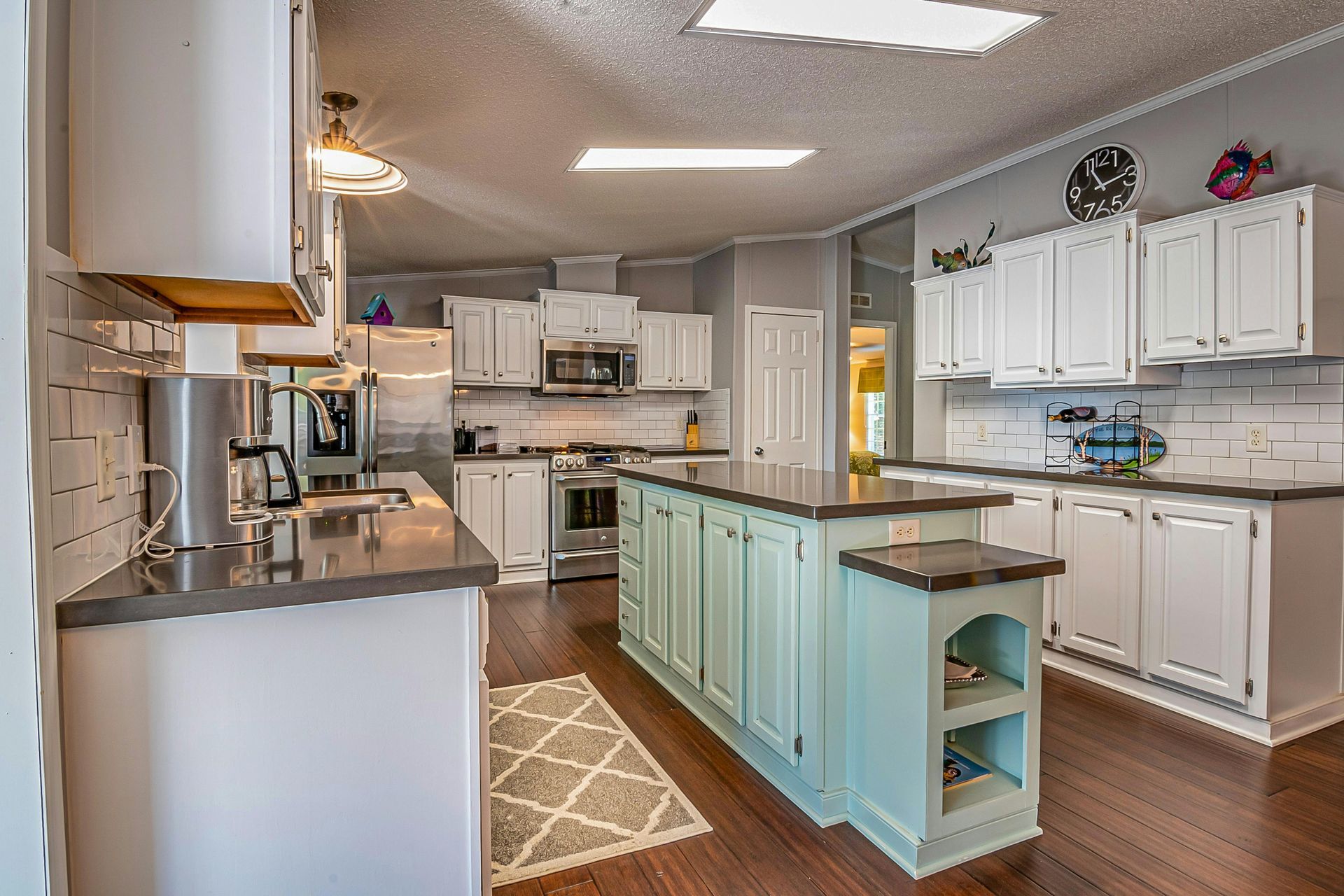
Selling a home and moving to a smaller space is often an emotional and complex journey for any home seller. Whether you’re relocating to a cozier home, a retirement community, or simply seeking a lifestyle change, downsizing means more than just finding a new place—it means sorting through years of possessions, memories, and decisions about what to keep, donate, or let go. Understanding the Emotional Side of Downsizing It’s natural to feel a mix of emotions during this process. Your current home likely holds countless memories—family gatherings, celebrations, milestones—that make it much more than just a physical space. Letting go of this familiar environment can bring feelings of sadness, anxiety, and even guilt about parting with belongings that have sentimental value. The fear of the unknown and the stress of change can feel overwhelming. Recognizing these feelings is the first step toward a smoother transition. Many people find comfort in surrounding themselves with familiar items—photos, favorite furniture, artwork—that help make their new space feel like home. Embracing the positive aspects of downsizing, such as financial freedom, less maintenance, and a simpler lifestyle, can also help ease emotional challenges. The Logistical Challenges: Sorting and Moving Downsizing involves making tough decisions about your tangible assets. Sorting through decades of possessions can be daunting—deciding what to keep, what to donate, and what to discard is often a time-consuming and emotional task. This process can lead to feelings of overwhelm, especially when family heirlooms or cherished items are involved. How Our Team Supports You as Downsizing Specialists We understand that downsizing is not just a physical move but a life transition that requires empathy, patience, and expert guidance. That’s why our team specializes in helping home sellers through every step of the downsizing process. Here’s how we can assist you: Organizing and Sorting Assistance: We can help you create a clear plan to sort your belongings efficiently, starting with less emotional areas and gradually moving to more sentimental spaces. Finding New Homes for Your Unused Furniture and Items: If you have furniture or possessions you no longer want but aren’t ready to discard, we can connect you with charities, resale shops, or community organizations that can give your items a second life. Helping You Keep What Matters Most: We’ll work with you to identify the items that hold the most meaning and find ways to incorporate them into your new home, preserving your sense of comfort and continuity. Coordinating Professional Services: From movers to estate sale experts and donation pick-up services, we can recommend trusted professionals to ease the logistical burden. Emotional Support and Guidance: We recognize the emotional weight of downsizing and are here to listen, offer encouragement, and provide resources to help you and your family through the transition. Making Your New Space Feel Like Home Downsizing is an opportunity to create a fresh start while honoring your past. By thoughtfully selecting what to bring with you and finding meaningful ways to repurpose or pass on other belongings, you can build a comfortable, welcoming environment in your new home. Our goal is to make this transition as smooth and positive as possible. If you’re considering selling your home and downsizing, reach out to us. As downsizing specialists, we’re here to support you through the emotional and logistical challenges, helping you move forward with confidence and peace of mind.

Determining where to move after selling a home is one of the most important and sometimes challenging decisions for mature adults and elderly home sellers. Whether you’re looking to downsize, move closer to family, or transition into a senior living community, each option comes with its own financial, emotional, and practical considerations. Understanding these options and getting the right guidance can help you find the living arrangement that best suits your lifestyle, care needs, and future goals. Downsizing to a Smaller House Many mature adults choose to downsize to a smaller, more manageable home to reduce maintenance burdens and free up equity. Downsizing can mean moving to a condo, townhouse, or smaller single-family home in a familiar neighborhood or a new area with amenities suited to your needs. In Silicon Valley, downsizing often involves balancing the desire to stay close to community and family with the realities of a competitive housing market and high costs. When considering downsizing, it’s important to evaluate factors such as accessibility (single-level living, elevator access), proximity to healthcare and social activities, and ongoing costs like homeowners association (HOA) fees. Our team can help you identify homes that fit these criteria and guide you through the financial and logistical aspects of the move. Moving to a Senior Living Community For many mature adults, moving to a senior living community offers a lifestyle designed for comfort, social engagement, and support. These communities range from independent living and active adult communities to assisted living and memory care facilities, often providing a continuum of care that allows residents to age in place without relocating again. Senior living communities in Silicon Valley are evolving to meet growing demand, with amenities such as chef-prepared meals, fitness centers, social clubs, and transportation services. This option can relieve the burdens of home maintenance and provide peace of mind with access to healthcare and support services. Choosing the right community requires careful consideration of your care needs, budget, and desired lifestyle. Our team can connect you with trusted senior living options and help coordinate visits and evaluations to ensure the best fit. Relocation Closer to Family or Support Networks Some established sellers decide to move closer to family members or caregivers for emotional support and practical assistance. This option can strengthen family bonds and provide a safety net as needs change. However, it may also require adjusting to a new community or lifestyle. We understand the importance of family in these decisions and can assist in finding homes near your loved ones, helping you weigh the pros and cons, and ensuring a smooth transition. Exploring Alternative Living Arrangements Beyond traditional options, there are emerging alternatives such as virtual retirement communities, adult family homes, and co-housing models that offer varying levels of social engagement, support, and affordability. Virtual retirement communities, for example, allow seniors to remain in their own homes while accessing a network of services and social activities nearby. Adult family homes provide a small, home-like setting with personalized care, often at a lower cost than assisted living. Co-housing communities emphasize shared spaces and social connection, which can be appealing for those seeking community without sacrificing independence. Our team stays informed about these innovative options and can help you explore what might work best for your unique situation.