
What to Know About Demolishing a Home
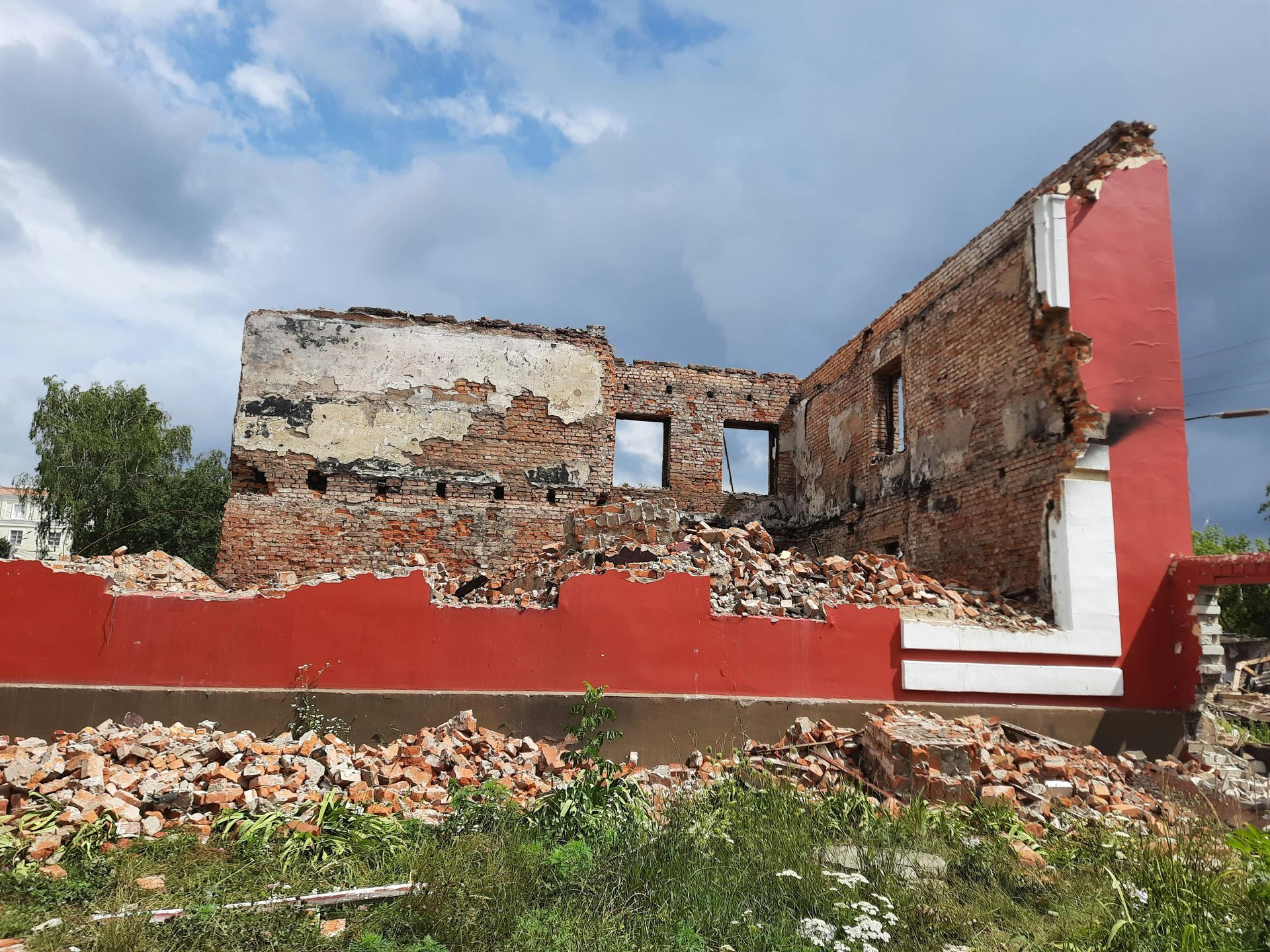
In today’s housing market, where available inventory remains limited, finding a home that requires little to no work can be difficult. Many buyers begin their search hoping for a move-in ready property, but reality often looks different. In fact, a significant number of buyers ultimately purchase homes that require updates or repairs.
While some properties simply need cosmetic improvements, others may require such extensive work that homeowners consider a more dramatic solution: demolishing the existing structure and building a new home from the ground up.
But is tearing down a home and starting fresh the right move? The answer depends on several factors. Understanding the advantages and challenges of demolition versus renovation can help homeowners make a more informed decision.
The Potential Advantages of Demolishing a Home
At first glance, demolishing and rebuilding may seem more expensive than renovating. However, that isn’t always the case. The cost difference between renovating and rebuilding largely depends on the condition of the property, the scope of work required, and local construction costs.
One major advantage of demolition is the opportunity to start with a clean slate. When rebuilding a home, everything—from structural elements to interior finishes—is brand new. This allows homeowners to fully customize the layout, design, and features according to their preferences.
Renovations, on the other hand, often require working around existing elements of the home. While some homeowners appreciate preserving certain original features, others may prefer the flexibility that comes with designing a completely new structure.
For buyers who want full control over a home’s design and functionality, demolishing and rebuilding can sometimes be the more appealing option.
The Challenges of Demolishing and Rebuilding
Even when demolition appears financially viable, rebuilding can involve additional complexities that homeowners may not initially anticipate.
Construction today often involves more regulations and requirements than in the past. Permitting processes, zoning restrictions, and local building regulations can add both time and expense to a project. In some cases, regulatory costs alone can represent a significant portion of the overall construction budget.
In addition, builders frequently face challenges such as labor shortages, rising material costs, and permit delays. These factors can extend project timelines and increase the overall complexity of building a new home.
As a result, while demolishing a home might seem straightforward, the rebuilding process can sometimes be more complicated than a renovation.
Facts to Consider When Choosing Between Demolition and Renovation
Deciding whether to renovate or demolish requires evaluating several key aspects of the property.
- Structural Integrity: If the home has serious structural issues or safety concerns, rebuilding may be the more practical solution.
- Building Code Compliance: Older homes may not meet current building codes. While renovations can address some issues, starting fresh may sometimes be more efficient.
- Local Market Conditions: Real estate markets vary widely. In higher-value neighborhoods where newly built homes command premium prices, demolition and rebuilding may make financial sense. In other areas, extensive renovations may be the more cost-effective option.
- Property Location: In many urban areas, rebuilding from scratch can be more difficult due to zoning restrictions and limited space. Renovation is often the more realistic path in city environments.
Choosing the Right Builders Matter:
If you decide to demolish and rebuild, selecting the right builder is one of the most important steps in the process.
Building a new home involves many moving parts, and experienced professionals can help navigate permits, construction timelines, and unexpected challenges. A reliable builder can significantly reduce the risk of delays or costly mistakes.
When evaluating builders, it’s helpful to:
- Ask for personal references from past clients.
- Speak directly with homeowners about their experience.
- Review completed projects while also understanding the construction process behind them.
A portfolio of beautiful homes is helpful, but feedback from previous clients can provide valuable insight into communication, reliability, and project management.
Bottom Line
Demolishing a home and building a new one can offer the benefit of complete customization and modern construction, but it often involves additional planning, regulations, and potential delays. Renovating, on the other hand, may be less complex but can come with limitations depending on the home’s condition.
The right choice depends on factors such as structural integrity, local market conditions, budget, and long-term goals. Working with experienced real estate and construction professionals can help homeowners evaluate their options and determine the best path forward.
Disclaimer:
This information is for educational purposes only and is not tax advice. Real estate transactions and tax laws are complex. You should consult with a qualified tax professional and a qualified intermediary to understand how these rules apply to your specific situation.