
What To Know About a Starter Home?
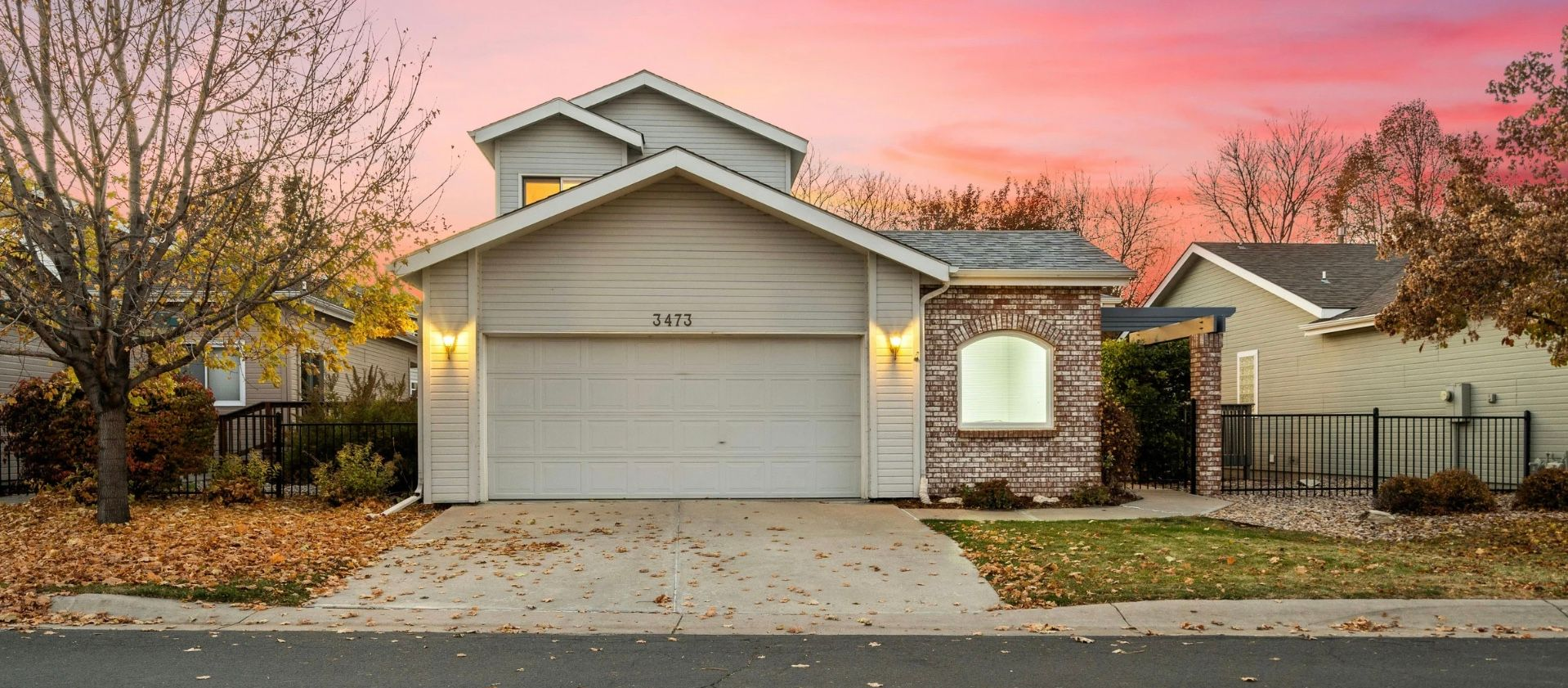
For many buyers, purchasing a starter home is the first step into homeownership. These homes are typically more affordable properties designed to help first-time buyers enter the housing market and begin building equity.
Starter homes are generally smaller and simpler than long-term homes. They may include condos, townhomes, or smaller single-family houses and often offer fewer features or upgrades. Because of their lower price point, buyers usually live in these homes for several years before eventually moving to a larger property.
However, in today’s housing market, finding an affordable starter home has become more challenging.
What Defines a Starter Home?
A starter home is usually a modest property that meets the basic needs of a homeowner without many luxury features. These homes often have smaller floor plans and fewer bedrooms, and they may be older properties that require updates or maintenance.
Starter homes can take several forms, including:
- Condominiums
- Townhomes
- Smaller single-family houses
Many of these homes are under 1,500 square feet and are intended to be a temporary stepping stone for buyers who plan to upgrade later. Buyers typically stay in a starter home for three to five years before selling or moving into a larger property once their finances or housing needs evolve.
Why Starter Homes Are Harder to Find Today?
Although the concept of a starter home hasn’t changed much, the availability of these homes has decreased significantly in recent years.
Home prices have risen dramatically across the country, making entry-level homes less accessible for many buyers. In addition, many homeowners who locked in lower mortgage rates in previous years are choosing to stay put rather than sell, which further limits available inventory.
As a result, the homes that once served as typical starter properties are now often priced higher than many first-time buyers expect.
Rising Price and Limited Inventory
Over the past several years, home prices have climbed substantially. What was once considered an affordable starter property may now require a significantly higher income to purchase.
Inventory has also declined. The number of homes considered affordable for entry-level buyers has dropped sharply, making starter homes much harder to find. In many markets, buyers are competing for a limited supply of these properties.
Part of the challenge stems from a long-standing housing shortage. Construction slowed dramatically during the 2008 financial crisis, and the housing supply never fully caught up with demand. The pandemic further strained inventory levels, making the situation even more competitive.
At the same time, millions of vacant homes across the country require significant renovations before they can be sold or occupied. Investors and developers are working to restore some of these properties and return them to the market.
Is Building a Starter Home an Option?
Some buyers may consider building a smaller home instead of purchasing an existing one. While this is possible, it can be difficult to find builders who focus on entry-level construction.
Over time, homebuilders have shifted toward constructing larger homes with higher price points because they tend to be more profitable. Rising costs for materials, labor shortages, and zoning regulations also make it more challenging to build smaller, affordable homes.
Because of these factors, new construction starter homes are less common today than they were decades ago. Many buyers may find better opportunities in the existing-home market, where properties may be more affordable and available sooner.
Starter Home vs Forever Home
A starter home is often viewed as a temporary property — a first step toward long-term homeownership.
A forever home, by contrast, is a property buyers expect to live in for many years. These homes are typically larger, with more bedrooms, additional living space, and features that accommodate long-term lifestyle needs such as a growing family.
While starter homes focus on affordability and practicality, forever homes often prioritize comfort, space, and long-term stability.
Is Buying a Starter Home Worth It?
For many first-time buyers, the biggest question is whether to purchase a starter home now or wait until they can afford a larger property.
Buying a starter home can provide an important financial advantage: the opportunity to build equity. Instead of paying rent each month, homeowners invest in a property that may increase in value over time.
However, purchasing a home should always be based on financial readiness. Buyers should consider the full cost of homeownership, including the down payment, closing costs, and ongoing expenses like maintenance and property taxes.
Improving credit, saving for a larger down payment, and understanding monthly affordability can all help buyers prepare for their first purchase.
Bottom Line
Starter homes remain an important entry point for first-time buyers, even though they have become harder to find in today’s market. Rising home prices, limited inventory, and construction challenges have changed the landscape, but the goal remains the same: helping buyers take their first step into homeownership.
For many people, a starter home provides a valuable opportunity to build equity, gain experience as a homeowner, and move closer to their long-term housing goals.
Disclaimer:
This information is for educational purposes only and is not tax advice. Real estate transactions and tax laws are complex. You should consult with a qualified tax professional and a qualified intermediary to understand how these rules apply to your specific situation.