

Why Everyone's Talking About Rates Right Now? If you’ve been sitting on the sidelines waiting for mortgage rates to dip, you’re not alone. For much of 2024 and 2025, buyers and sellers alike have been hoping for a return to the low-rate environment of the early 2020s. But what if those rate cuts never come? As we head toward 2026, there’s growing consensus that rates may remain elevated longer than expected—hovering between 6.25% and 7% well into the next year. Whether you’re buying, selling, or refinancing, understanding what this means for the housing market is essential. What Happens If Rates Stay High? Here’s what we can expect if rates don’t drop significantly in the next 12 months: A) Inventory May Stay Low: Many current homeowners are locked into sub-4% mortgages. If rates remain high, they’ll be less inclined to sell, further tightening housing supply. Translation: Expect continued low inventory, especially for entry-level and move-in-ready homes. B) Home Prices May Stay Flat or Rise slowly: Without a drop in rates, demand may cool slightly—but so will new listings. Tight inventory could keep prices stable or lead to modest gains, particularly in desirable markets like Silicon Valley. Prediction: Areas like Saratoga, Cupertino, and Los Gatos could still see 2–5% appreciation. C) Affordability Stays a Challenge Higher rates = higher monthly payments. This affects first-time buyers the most, especially in high-cost regions like the Bay Area. Tip: Buyers may need to adjust price expectations or explore creative financing options like buydowns or ARMs. D) Sellers May Need to Adjust Strategy If rates stay high, buyers will be more selective. Sellers will need to price homes competitively and invest in prep (staging, small upgrades, marketing) to attract serious offers. Homes that are overpriced or need major updates may sit longer than usual. E) Buyers Who Act Now Could Win Later If rates stay high now but drop in late 2026 or 2027, early buyers could refinance and build equity in the meantime. Waiting for perfect conditions may mean missing out on current inventory and price points. “Date the rate, marry the house” may still apply. What Buyers and Sellers Should Do: Even with market shifts, buyer demand is outpacing supply in many Bay Area neighborhoods. If homes like yours are selling within 2–3 weeks and inventory is tight, you may be in a strong position to command top dollar with less competition—especially if your home is move-in ready or located in a top school district.

Life can feel a bit unpredictable these days. What’s happening with inflation? The economy? The housing market? But in the middle of all that uncertainty, there’s one thing a lot of people still crave – a place to call their own. Because when everything else feels up in the air, home can be the thing that grounds you. As the experts at 1000WATT put it: “Homeownership isn’t primarily financial anymore. . . Across all demographics, emotional and lifestyle factors consistently outrank wealth-building as motivators.” Here's what owning a home can mean for you, especially right now: Freedom To Make It Yours When you’re a homeowner, you don’t need to ask permission to paint a wall, hang a gallery of your favorite art, or redo the floors. You have the freedom to create a space that reflects who you are, all the way from the light fixtures to the paint colors. Pro Tip: Just be mindful about exterior changes, if you buy a home in a community that has a (HOA). There may be some approvals you’d need to get for select outdoor changes. Room To Grow Whether it’s starting a family, setting up a home office for your new career, or finally building that home gym in the garage so you can hit your fitness goals, owning gives you the space to live life on your terms. Stronger Sense Of Community When you own, you’re not just passing through, you’re putting down roots. That often leads to stronger ties with your community, more connection to your neighborhood, and a deeper feeling of belonging where you live. That’s very different from the temporary nature of renting. Feeling Of Accomplishment There’s something powerful about getting the keys and walking into your own front door for the first time. It’s more than pride, it’s personal satisfaction. A quiet and meaningful sense of “I did this.” Sure, it’s not always easy for first-time homebuyers right now. The market today requires patience and sometimes a little creative problem-solving. But it’s still worth it.

In real estate transactions, prepaid costs and closing costs are both expenses incurred by buyers and sellers, but they cover different things and are handled differently. Here’s a breakdown of each: 1. Prepaid Costs Prepaid costs are expenses that a homebuyer pays in advance before they are actually due. These are typically associated with homeownership and the mortgage, not the actual transfer of the property itself. They usually include: -Homeowners insurance premiums: The lender may require you to prepay a full year of homeowners insurance upfront at closing. -Property taxes: Depending on when you buy the home, the lender may ask you to pay a certain portion of property taxes in advance to ensure taxes are paid on time. -Mortgage interest: If your mortgage starts before the first full month of homeownership, you may prepay prorated interest from the closing date to the end of the month. -Escrow reserves: Lenders often require buyers to set up an escrow account to cover future payments for property taxes and insurance. Prepaid amounts are deposited into this account at closing. 2. Closing Costs Closing costs, on the other hand, are one-time fees paid at the closing of a real estate transaction to cover services and administrative tasks involved in transferring the ownership of the property. These typically include: -Loan origination fees: Fees charged by the lender for processing the loan. - Appraisal fees: The cost to appraise the value of the property. - Title insurance: Insurance that protects the buyer and lender from claims against the property’s ownership. - Recording fees: Costs for recording the sale with the local government. - Inspection fees: Fees paid for home inspections, such as pest or general home inspections. - Commissions: Paid to Agents Brokerage depending on the transaction and what Buyer and Seller agree on. - Notary fees: The cost of notarizing documents. Key Differences - Timing: Prepaid costs are payments made for future expenses, such as taxes and insurance, while closing costs are one-time fees related to the property purchase itself. - Purpose: Prepaid costs are related to ongoing homeownership responsibilities, whereas closing costs cover the services required to finalize the real estate transaction. - Recurring vs. Non-Recurring: Prepaid costs often relate to ongoing and recurring expenses (taxes, insurance), while closing costs are generally one-time fees incurred only when buying or refinancing a home. Understanding both types of costs helps ensure you're financially prepared when purchasing a home. Let us know how we can help you!
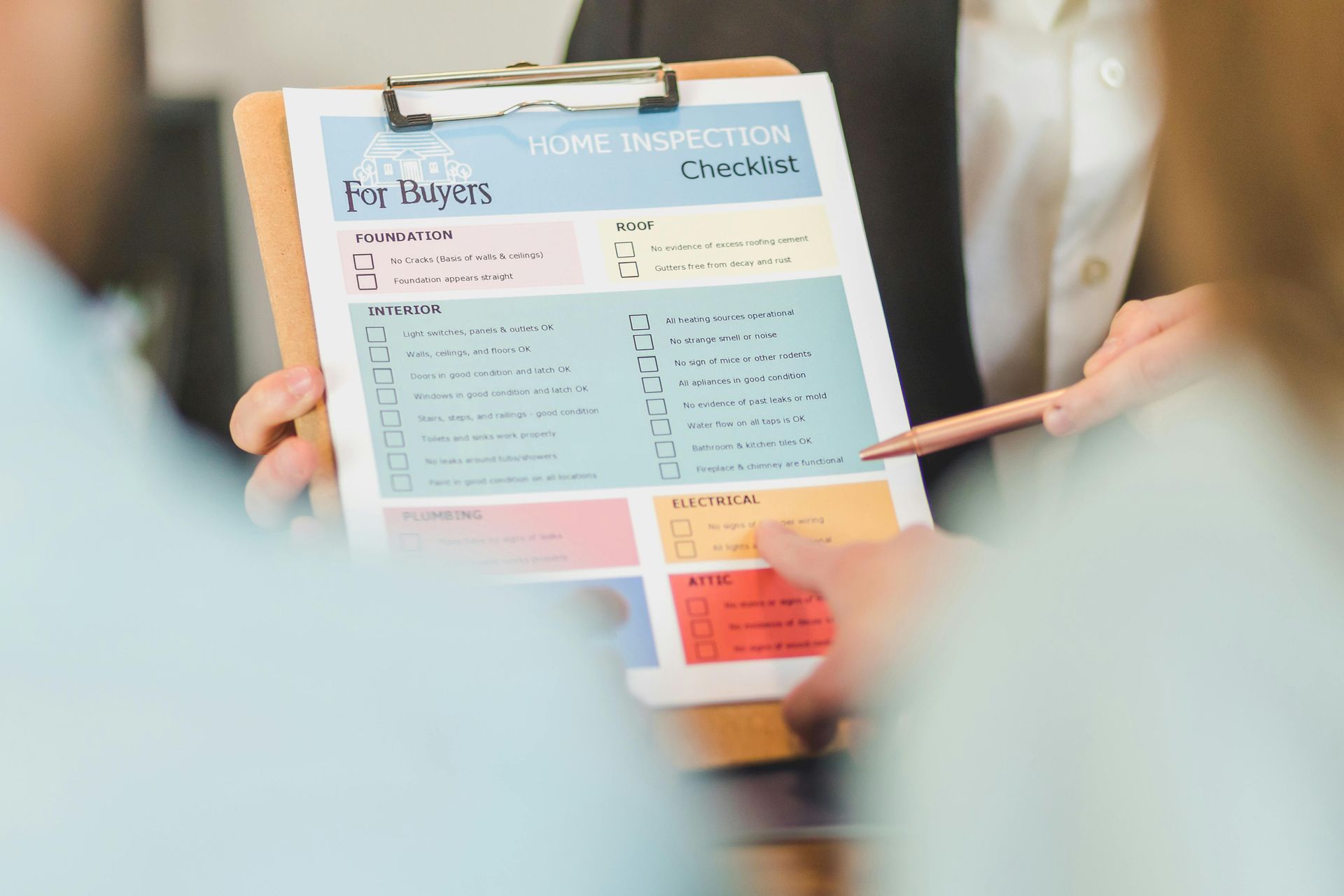
As a buyer, you are entitled to know exactly what you are getting. Don’t take anything for granted, not even what you see or what the seller or listing agent tell you. A professional home inspection is something you MUST do, whether you are buying an existing home or a new one. An inspection is an opportunity to have an expert look closely at the property you are considering purchasing and getting both an oral and written opinion as to its condition. Beforehand, make sure the report will be done by a professional organization, such as a local trade organization or a national trade organization such as ASHI (American Society of Home Inspection). Not only should you never skip an inspection, but also you should be present with the inspector during the inspection. This gives you a chance to ask questions about the property and get answers that are not biased. In addition, the oral comments are typically more revealing and detailed than what you will find on the written report. Once the inspection is complete, review the inspection report carefully. You have to demand an inspection when you present your offer. It must be written in as a contingency. If you do not approve the inspection report, then do not buy the home. Most real estate contracts automatically provide an inspection contingency.

"The National Education Association (NEA) stresses that students at home need to have spaces specifically devoted to conducting their schoolwork" With remote learning sweeping the nation this academic year, organized spaces with enough room for kids to learn effectively are high on buyer wish lists. Here are a few options to consider for your next home. With remote learning sweeping the nation this academic year, organized spaces with enough room for kids to learn effectively are high on buyer wish lists. If you’re trying to make room for your family’s growing needs, multi-purpose rooms and dedicated workspaces may be features to consider in your next home. Let’s connect today so you can find a home where your kids feel confident and comfortable too.
It used to be that buyers could go house shopping and when they have found their dream home, then they go to get pre-approved. However, in today’s market, that has proven to be one of the least effective methods in landing the dream home. Most lenders can pre-qualify you for a mortgage over the phone. Based on general questions about your income, debt, assets, and credit history, lenders can estimate how much mortgage you qualify for. However, being pre-qualified and pre-approved are different things. Pre-approval means that you have applied for a mortgage; you have filled out the mortgage application, received your credit report, and verified your employment, assets, etc. When you are pre-approved, you know exactly what the maximum loan amount will be. A pre-qualified letter is not verified and in essence, does not count for much if you are competing with other buyers who are pre-approved. When you are pre-approved, you and the seller know exactly how much house you can afford. It gives you credibility as an interested buyer and lets the seller know immediately that you will qualify for a loan to buy their property. In addition to being pre-approved, it’s important to be pre-approved with a legitimate lender. Legitimate lenders include: banks, mortgage bankers, credit unions, savings and loan associations, mortgage brokers, and online lenders. Some lenders to avoid: those who lose a form or misplace a file, those who gather information from you in an unorganized manner, those who are not informed about interest rates, points or costs, and those who cannot provide you with the right information.

The best seller is one who is highly motivated. A highly motivated seller is more likely to sell at a price that is less than his or her house is actually worth. And it matters that you find out why. Learning the reason why can help you get the price you want and help the seller get what they want: a timely sale. When given the opportunity to meet with sellers, ask them why they are selling. The reason could be anything, such as a job change to a new location or financial problems. If you can solve their problem, whether it is cash related or time related, do so. For example, if the sellers are highly motivated because they need to move quickly, give them a fast sale - and a lower price. If you can make an offer, even a low one, that gives them cash in a short time, they are more likely to accept. There are also some sellers that you should avoid. Not every seller is as genuinely motivated as they make themselves to be. Some possible hints: They stall on having the home appraised or inspected They are unable to clear up liens against their property They do not own 100% of their property They push back the move-out date They do not have a replacement property or back up plan It is impossible to find the perfect seller. But it is possible to find out which sellers are legit and which ones aren’t.
By asking the right questions, and knowing exactly what your needs are, you can find the right loan for you. There are certain approaches that you can take while mortgage shopping that can cost or save you money. It is still true that the better qualifications you have, the lower your interest rate will be. However, there are mortgages available for almost everyone; it's the interest rates or the down payments that vary. Before speaking with a lender, know what monthly dollar amount you feel comfortable committing to. Then when you discuss mortgage pre-approval with your lender, it is easier for you to determine the monthly amount and what value of home the monthly amount translates into. Do not put yourself in the position where you will be paying more each month than you intended simply because the dream home requires it. Do your research on the types of mortgages available to you and find the one that best suits your needs. There are a number of considerations to be made in terms of finding the best mortgage for each individual: What type of market are you in? Are the interest rates falling or rising? Do you want a fixed mortgage rate, where you will always know what your payment is going to be? What are your long-term goals? Do you intend to resell the property? Do you only need the mortgage for a short time?
Hot Market This is an extremely competitive market and is advantageous to the seller. Sometimes, homes will sell as soon as they are listed or even before homes are listed. Typically, during a hot market, multiple offers will be made on each home and more often than not, homes will sell for more than the asking price. It is even more crucial to be prepared and to be ready as a buyer when the market is hot. It can be easy to get caught up in the bid for a home, but if you are prepared (pre-approved, solid in price range, realistic about your needs), it is easier to remain focused on your housing needs and price range. Normal Market In a normal market, there is a fairly large number of homes available and an average number of buyers. This market does not necessarily favor the buyer or the seller. A seller may not have as many offers on their home, but he or she may not be desperate to sell either. Again, it is the buyer’s responsibility to be prepared. During a normal market, the chances to negotiate are higher than in a hot market. As a buyer, you can expect to make offers at lower than the asking price and negotiate a price at least somewhat less than what the sellers are asking. Cold Market In a cold market, houses may be listed for more than a year and the prices of houses listed may drop considerably. This market is advantageous to the buyer. As a buyer, you have the time to make an offer that works to your best interest. It is not uncommon to low-ball and to find that sellers are accommodating to meet your needs. Keep in mind that even though this market is a great time for buyers, you do not want to lose your dream home by being unrealistic. Your goal is to get your dream home at the best possible price.
Is Buying a Home in Silicon Valley Still a Smart Plan? With the burst of the housing bubble, credit crisis, and millions of foreclosures across the country, you may wonder if buying a home in Silicon Valley is such a good idea after all. However, it’s important to consider all of the facts about the Silicon Valley real estate market before making a decision. The key takeaway from recent economic events is not that homeownership in Silicon Valley is a bad investment, but that you must be smart about buying your home and working with the right Silicon Valley real estate agent. The Silicon Valley Housing Market Experiences Ups and Downs But Home Buying Is Still Wise: Like any market, the Silicon Valley real estate market naturally experiences ups and downs. These fluctuations don't mean that buying a home is a bad investment. In fact, as a long-term investment, owning a home remains one of the best choices available to individual households in Silicon Valley. Historically, real estate values in Silicon Valley have consistently risen in value despite occasional local market slowdowns and nationwide economic conditions. Data shows that homes in Silicon Valley generally appreciate around 5% annually, making it a valuable investment. Savings and Investment: Leveraging Your Down Payment in Silicon Valley... While a 5% annual appreciation might sound modest, consider the context of the investment. Suppose you put a 10% down payment on a $1 million Silicon Valley home—your initial investment is $100,000. At a 5% appreciation, the property gains $50,000 in value during the first year—this equates to a 50% return on your down payment alone. To put this into perspective, investing that same $100,000 in the stock market at a 5% return would yield just $5,000 in profit. This comparison highlights why buying a home in Silicon Valley can be a smart financial move. Tax Benefits for Silicon Valley Homeowners: You might be wondering whether the costs of homeownership outweigh these returns, especially when it comes to taxes. Here is where the benefits grow even further: your property taxes and mortgage interest payments are both tax deductible for Silicon Valley homeowners. This means you can deduct these expenses from your taxable income, effectively reducing your overall tax burden. These tax incentives act as a government subsidy making homeownership in Silicon Valley even more financially advantageous. Lifestyle and Other Benefits of Buying a Home in Silicon Valley: Beyond the numbers, owning a home in Silicon Valley offers lifestyle benefits that renting cannot match. Have you ever wanted to customize your living space—paint walls, renovate kitchens, or build an outdoor patio? Renting often limits these freedoms, but when you own your home, you have the flexibility to tailor it to your lifestyle and preferences. Silicon Valley homes typically feature more living space, storage, and outdoor areas perfect for barbecuing, gardening, or letting your pets roam freely. These perks add quality of life advantages and a sense of pride and accomplishment that renting doesn’t provide. Partner With an Experienced Silicon Valley Realtor The Silicon Valley real estate market can be competitive and complex to navigate, which underscores the value of working with a knowledgeable Silicon Valley real estate agent. An expert agent understands local neighborhoods, market trends, and financing options helping you find the best home that meets both your financial goals and lifestyle needs.