
🌉 The 15 Best Small Cities to Live in Across the U.S. 🇺🇸
You don’t need a major metropolitan area to enjoy great schools, career opportunities, or a vibrant lifestyle. Many of the best places to live in the United States can actually be found in smaller cities—communities that offer the conveniences of urban living without the congestion, noise, or high price tags of big cities.
From a nationwide evaluation of cities under 100,000 residents, these 15 small cities ranked within the top 30 overall. Here’s what sets them apart:
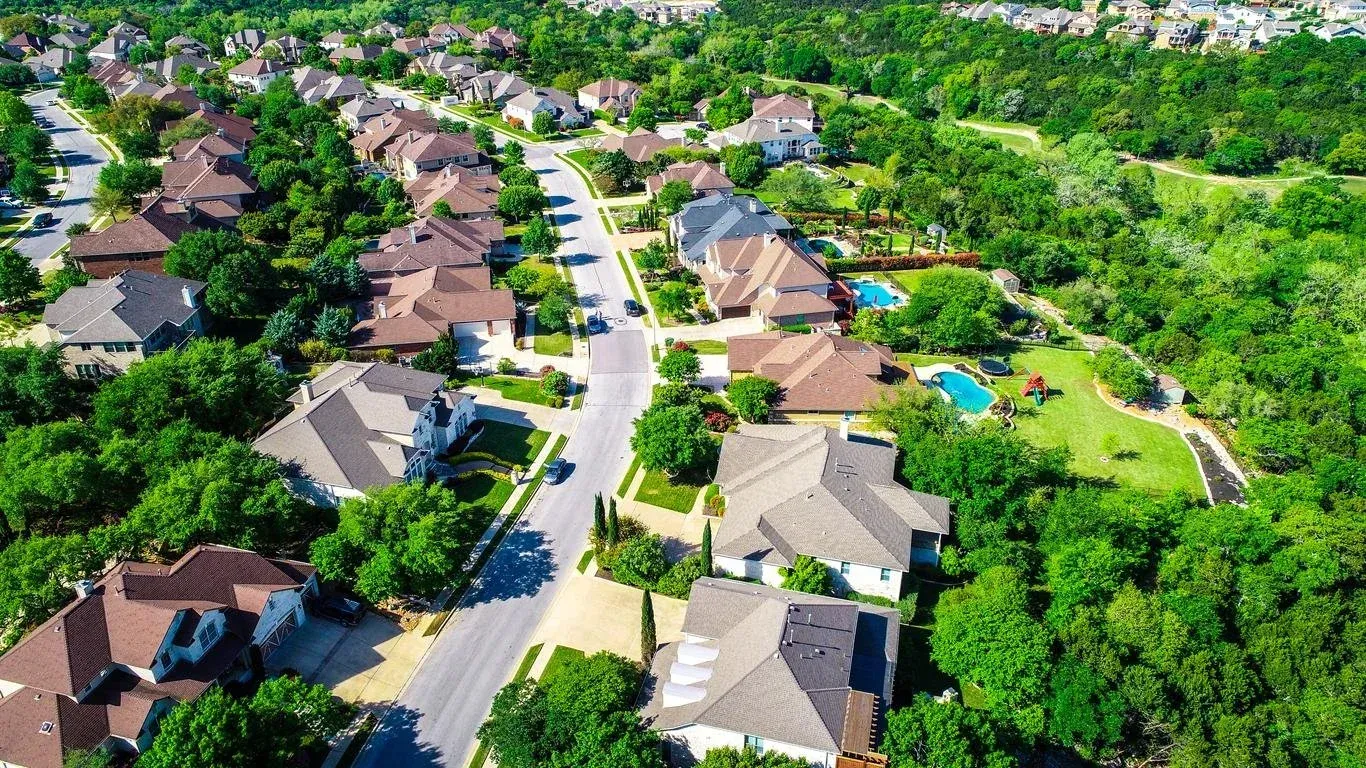
15. Cedar Park, Texas:
- Median list price: $503,708
- Median Monthly Rent: $1,482
- Median Household Income: $124,554
- Located just outside Austin, Cedar Park offers excellent access to education—the city sits within 50 miles of nearly 50 colleges and universities, including Austin Community College’s Cypress Creek Campus. Cedar Park ranks in the top 10% for job market performance, supported by a strong income index and an unemployment rate of just 3.34%, far below the national average of 4.5%. Sports fans will appreciate the H-E-B Center, home to both the NBA G League’s Austin Spurs and the AHL’s Texas Stars.
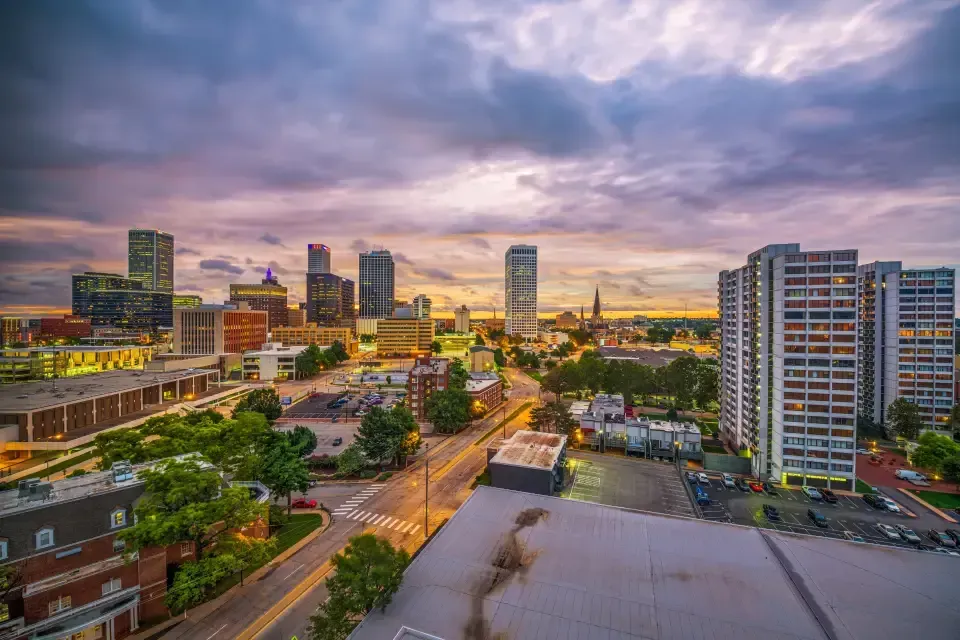
14. Edmond, Oklahoma:
- Median list price: $317,536
- Median Monthly Rent: $929
- Median Household Income: $95,418
- A suburb of Oklahoma City, Edmond stands out for its affordability, strong job market, and overall value. With an unemployment rate of only 2.6%, it ranks in the top 10% of U.S. cities for employment opportunity. High marks in cost of living and income metrics help Edmond deliver a high quality of life at a lower price point than many other metros.
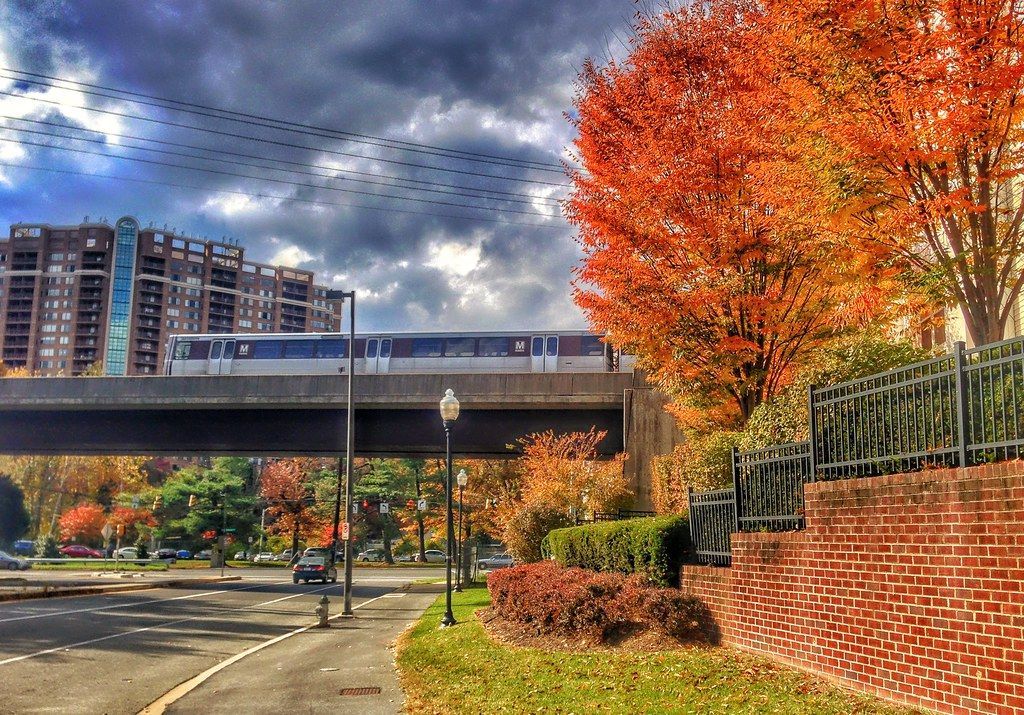
13. Bethesda, Maryland:
- Median list price: $1,004,244
- Median Monthly Rent: $1,946
- Median Household Income: $189,538
- Just north of Washington, D.C., Bethesda is one of the most affluent small cities in the country and boasts the No. 1 job market nationwide. Though the median home price exceeds $1 million, residents benefit from high-paying careers—particularly in healthcare and government—with a median household income nearing $190,000. Bethesda is also notable in the gaming world as the home of Bethesda Game Studios, creators of The Elder Scrolls, Fallout, and Starfield.
12. West Hartford, Connecticut:
- Median list price: $372,249
- Median Monthly Rent: $1,233
- Median Household Income: $121,568
- West Hartford is the smallest city on the list, with fewer than 64,000 residents. Despite its size, it ranks in the top 5% for job market strength, the top 10% for quality of life, and the top 15% for desirability. This New England community blends charm, walkability, and strong schools with easy access to Hartford’s urban amenities.
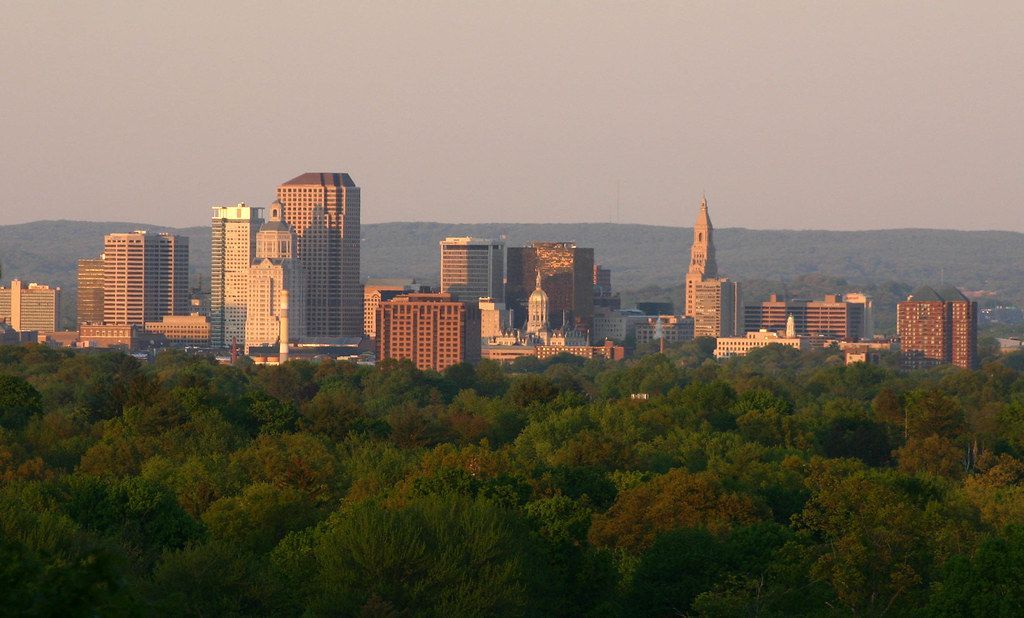
11. Ankeny, Iowa:
- Median list price: $303,067
- Median Monthly Rent: $984
- Median Household Income: $103,986
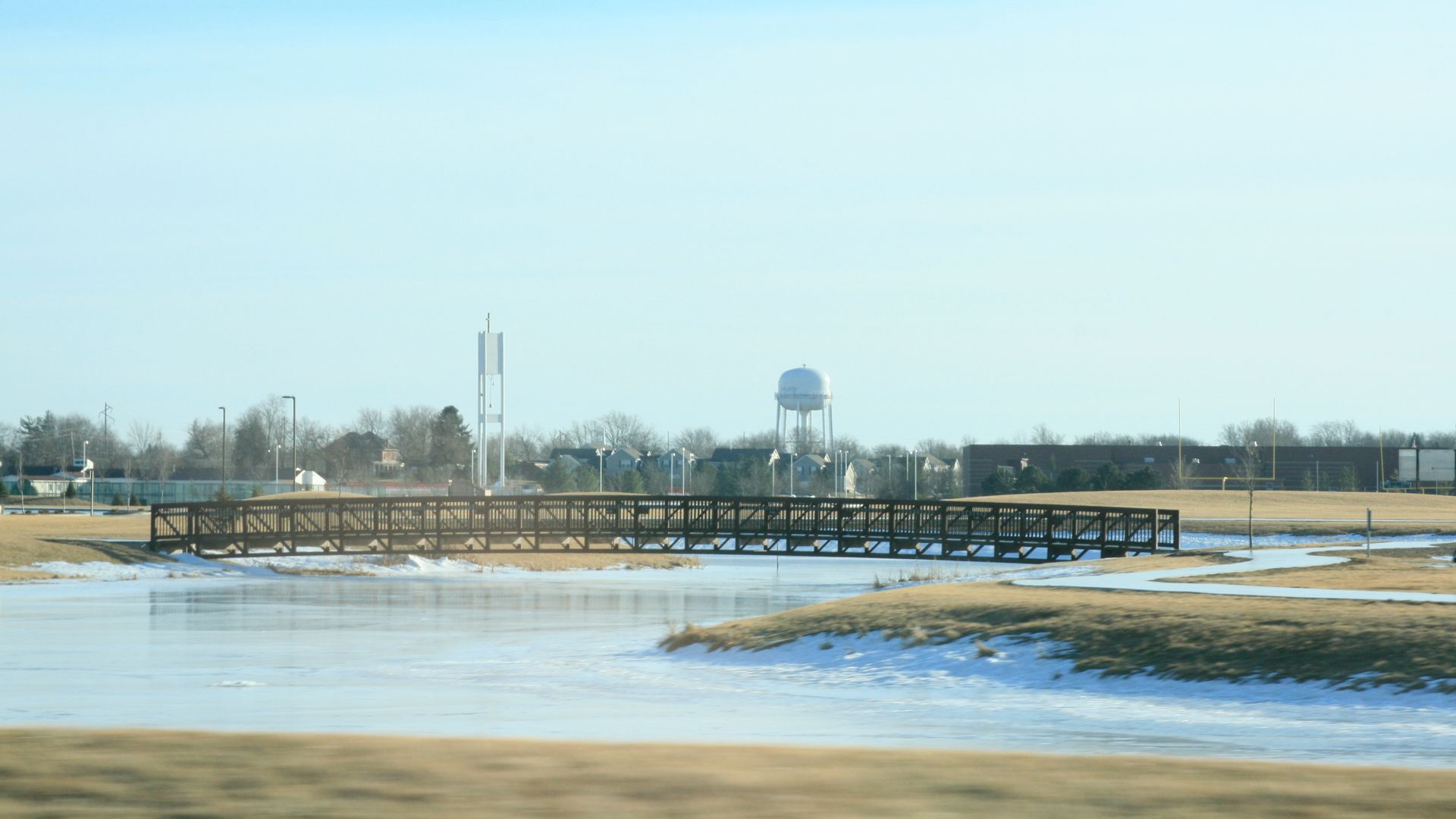
- Located north of Des Moines, Ankeny is one of the fastest-growing cities in the Midwest. It ranks fifth in the nation for employment and No. 18 for job market performance. Between 2020 and 2024, Ankeny added more than 8,000 new residents, placing it in the top 10% for net migration. With 40 parks and more than 40 miles of trails, the city offers abundant outdoor recreation.
10. Plymouth, Minnesota:
- Median list price: $455,827
- Median Monthly Rent: $1,384
- Median Household Income: $132,041
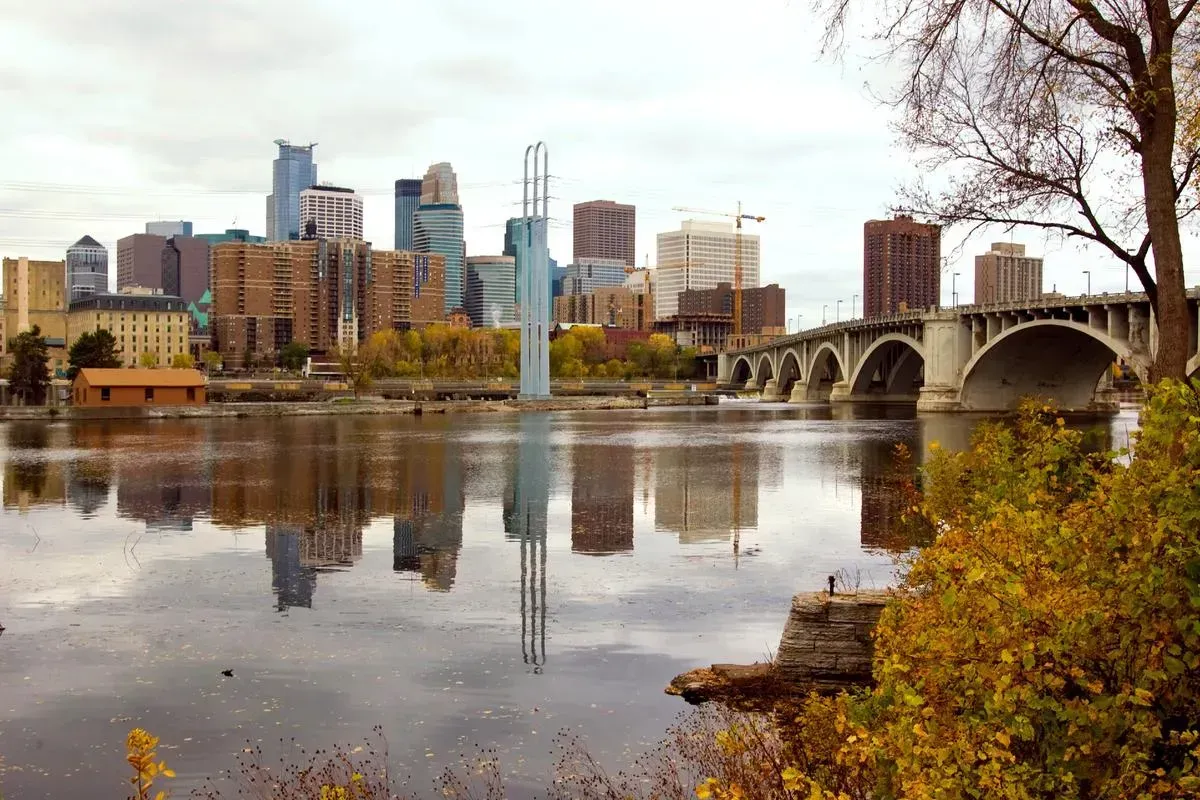
- Part of the Minneapolis–St. Paul metro area, Plymouth boasts the No. 6 job market in the country and one of the lowest unemployment rates at just 1.8%. Key industries include manufacturing, wholesale trade, and insurance. Residents enjoy a balance of suburban comfort and access to big-city amenities.
9. Pflugerville, Texas:
- Median list price: $441,873
- Median Monthly Rent: $1,505
- Median Household Income: $118,047
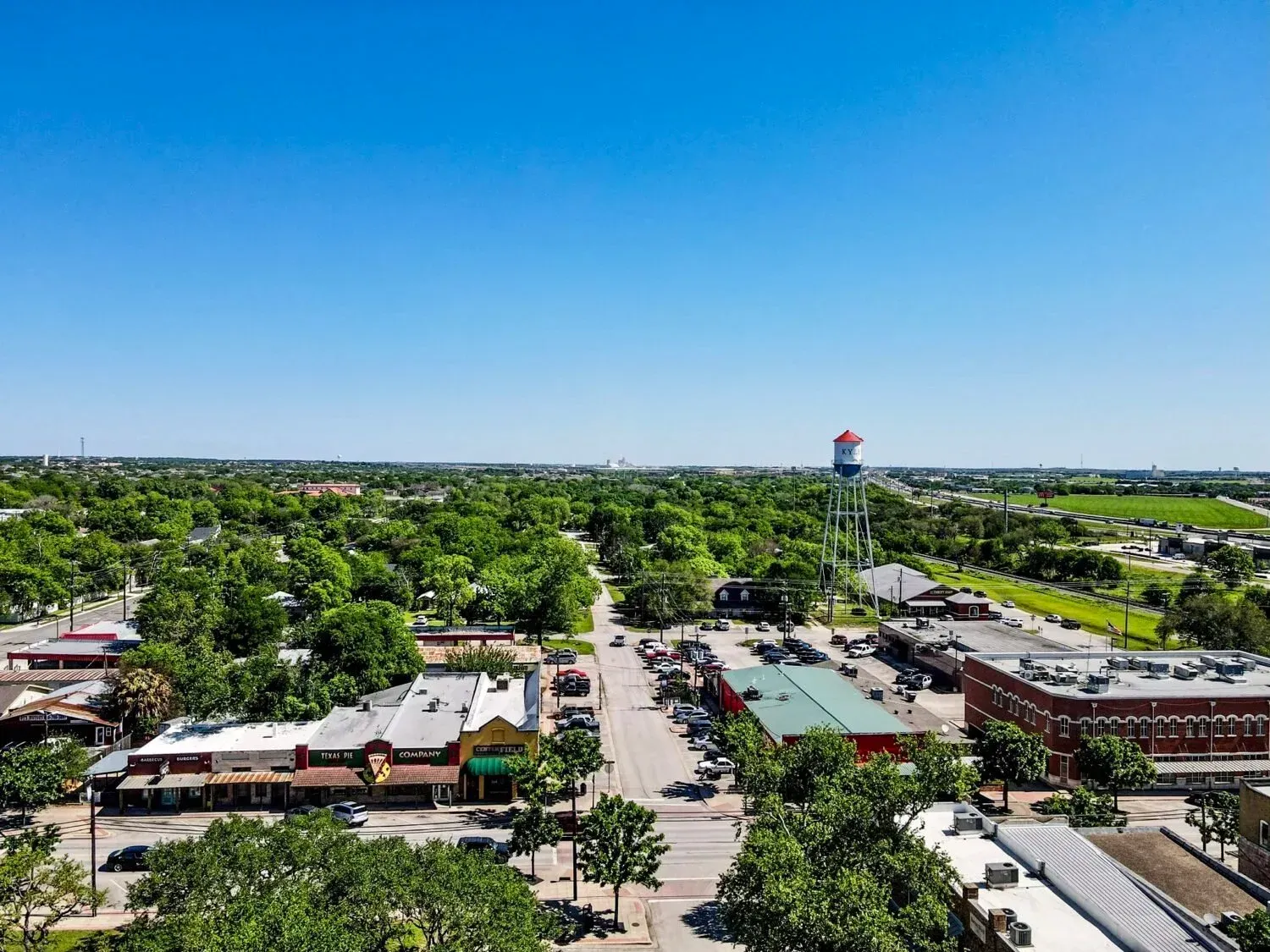
- Nicknamed the “Trail Capital of Texas,” Pflugerville features 56 miles of trail systems, a healthy economy, and highly rated schools. Its location—less than 20 miles from downtown Austin—gives residents the benefits of urban proximity, lower home prices, and a low crime rate.
8. Flower Mound, Texas:
- Median list price: $476,609
- Median Monthly Rent: $1,642
- Median Household Income: $163,766
- Situated in the Dallas–Fort Worth metroplex and bordering Grapevine Lake, Flower Mound is known for its scenic beauty and strong economy. The city’s namesake—a 12.5-acre natural mound covered with more than 175 species of wildflowers each spring—reflects its unique character. Flower Mound ranks highly for job market performance and boasts a median household income more than double the national average.

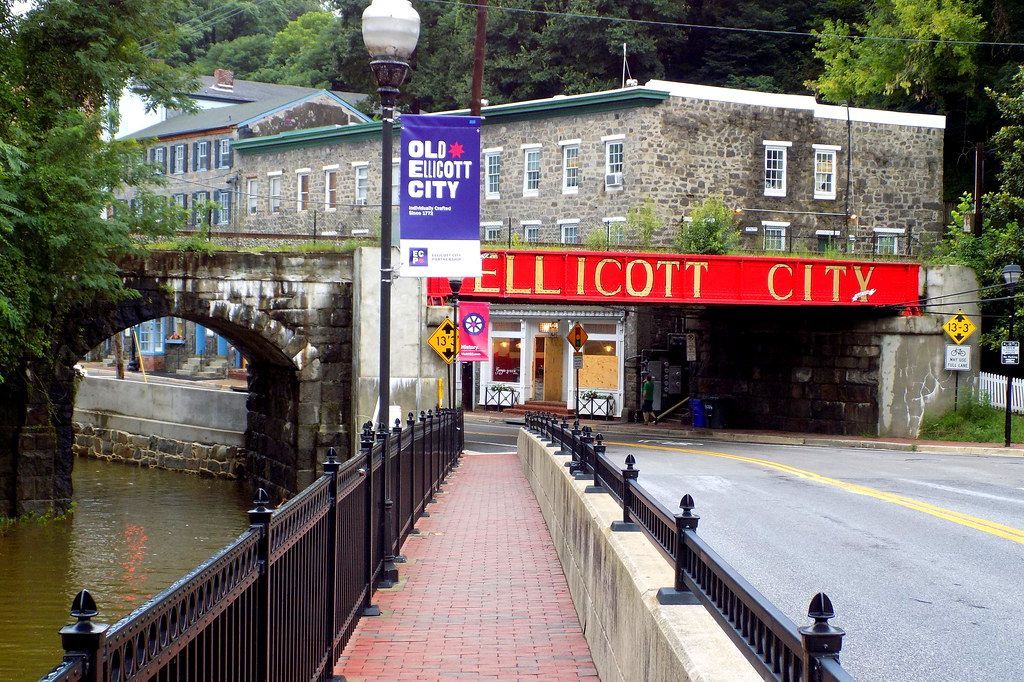
7. Ellicott City, Maryland:
- Median list price: $627,797
- Median Monthly Rent: $1,775
- Median Household Income: $163,286
- Nestled between Washington, D.C., and Baltimore, Ellicott City blends suburban tranquility with urban convenience. It ranks No. 11 nationwide for quality of life thanks to low crime, strong healthcare access, and well-preserved historic districts.
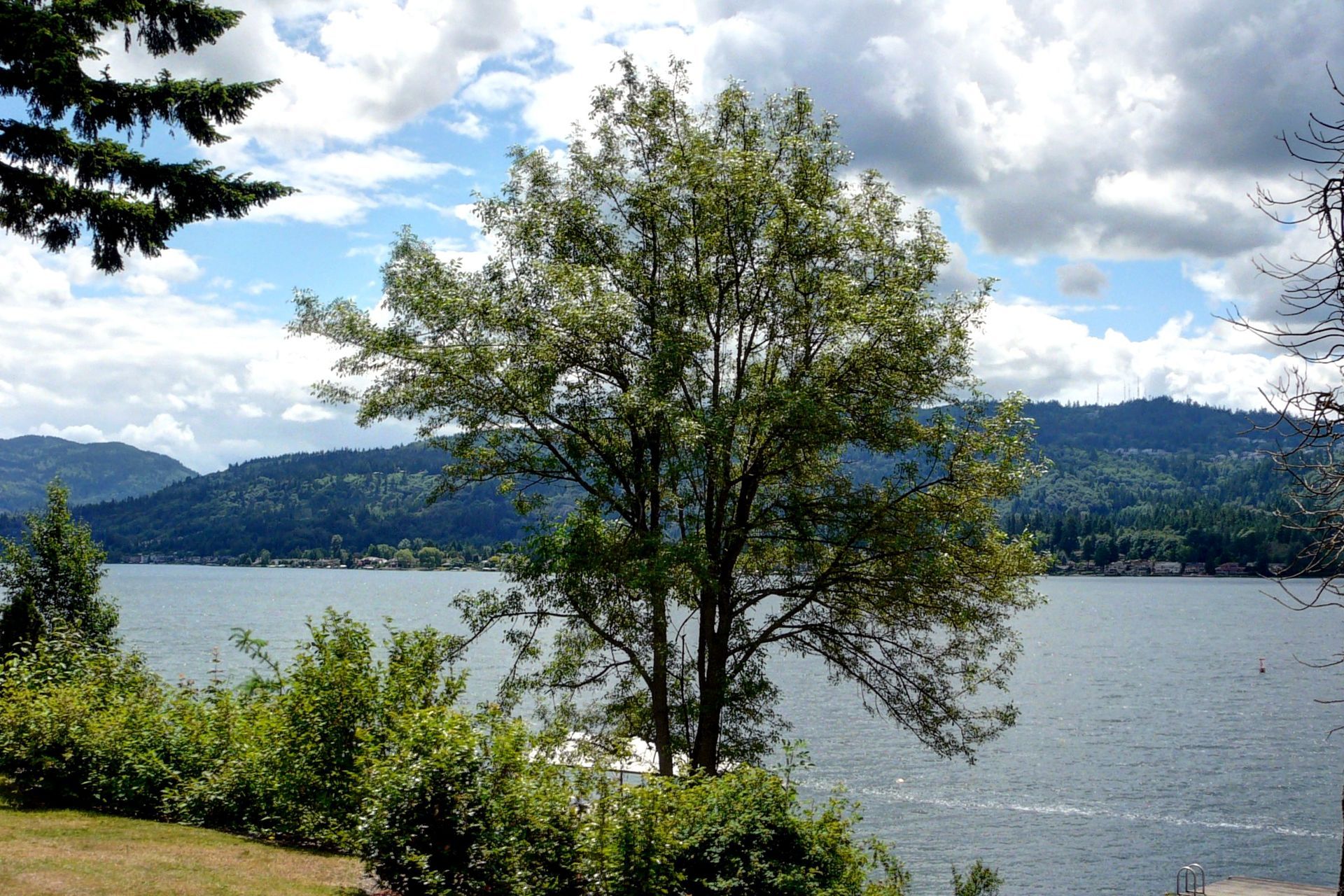
6. Sammamish, Washington:
- Median list price: $1,185,433
- Median Monthly Rent: $2,403
- Median Household Income: $235,013
- Located just east of Seattle, Sammamish offers the perfect mix of nature and proximity to major tech employers. Surrounded by Lake Sammamish, Soaring Eagle Regional Park, and Duthie Hill Mountain Bike Park, it provides endless outdoor recreation. Meanwhile, its closeness to Microsoft and Amazon helps fuel its No. 3 national ranking for job market strength.
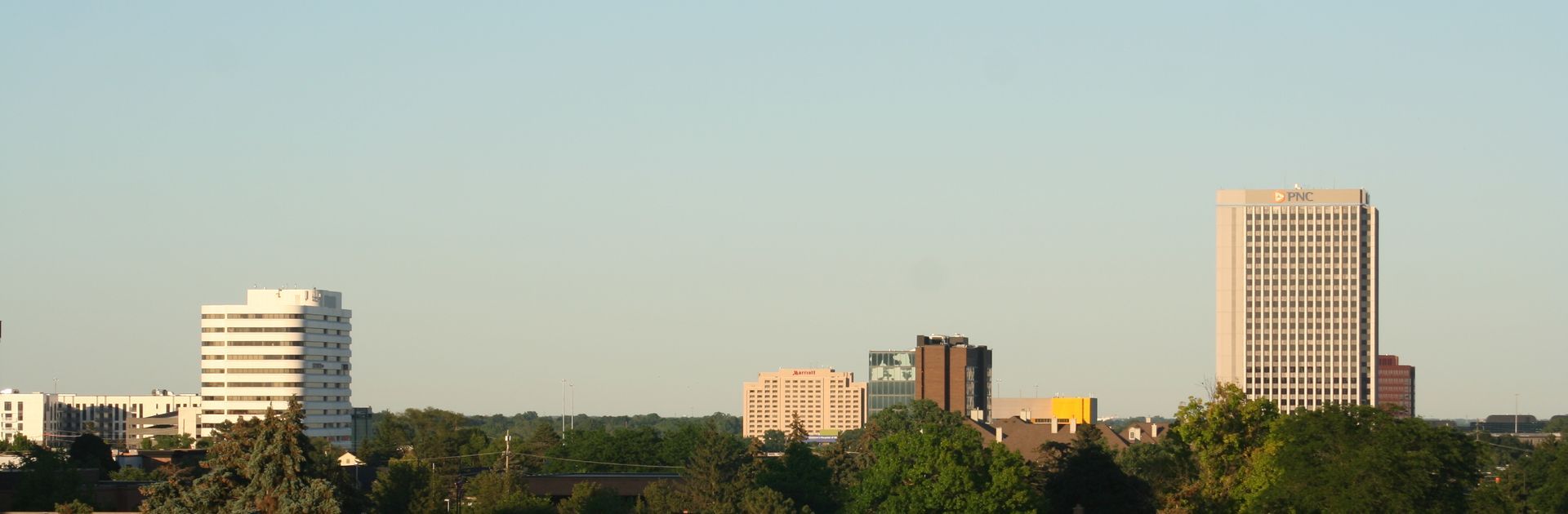
5. Troy, Michigan:
- Median list price: $385,318
- Median Monthly Rent: $1,172
- Median Household Income: $118,274
- A northern suburb of Detroit, Troy is home to major corporate headquarters and the highly regarded Somerset Collection Mall. Troy shines in education, ranking No. 34 nationally for college readiness, with some of the highest-rated public schools in Michigan and the U.S. overall.
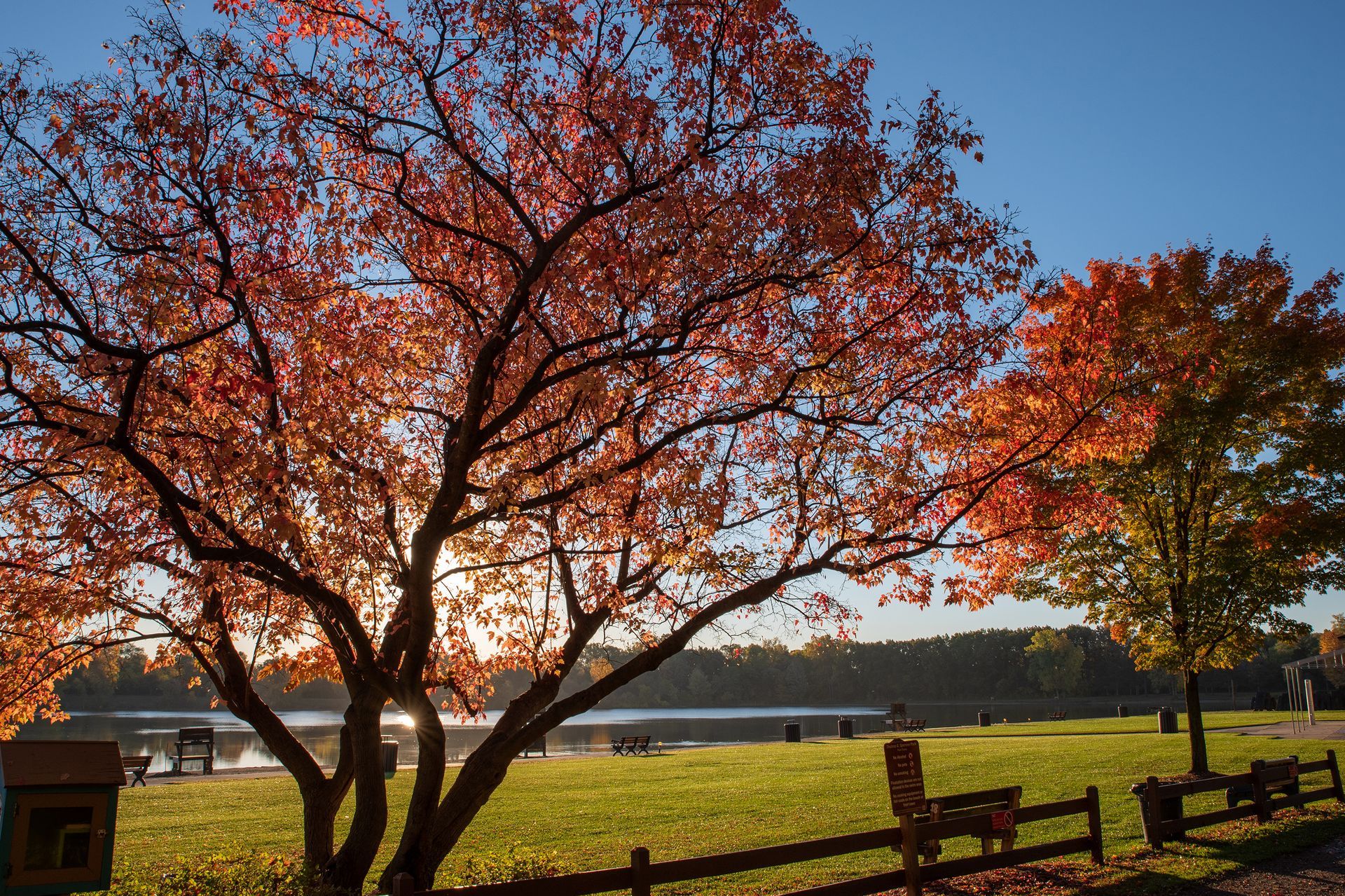
4. Rochester Hills, Michigan:
- Median list price: $377,213
- Median Monthly Rent: $1,168
- Median Household Income: $116,432
- Just north of Troy, Rochester Hills is known for its parks, green spaces, and outdoor amenities. Popular destinations include Bloomer Park and Thelma G. Spencer Park, offering hiking, picnicking, and water activities. The 8.5-mile Paint Creek Trail—an interconnected linear park—runs through several communities and is beloved by walkers, runners, and cyclists.
3. Leander, Texas:
- Median list price: $493,774
- Median Monthly Rent: $1,485
- Median Household Income: $131,822
- Part of the rapidly growing Austin metro area, Leander stands out for its strong job market, ranking in the 95th percentile for low unemployment and higher-than-average median income. The city blends urban convenience with Texas Hill Country charm, offering rolling landscapes and nearby outdoor attractions like Brushy Creek Regional Trail and Tumlinson Park.

2. Apex, North Carolina:
- Median list price: $499,352
- Median Monthly Rent: $1,448
- Median Household Income: $136,194
- Part of the vibrant North Carolina Research Triangle, Apex offers easy access to top-tier universities, a high-performing job market, and an average commute of just 22 minutes. Its median household income exceeds national averages, helping Apex earn a top spot for economic opportunity and lifestyle balance.
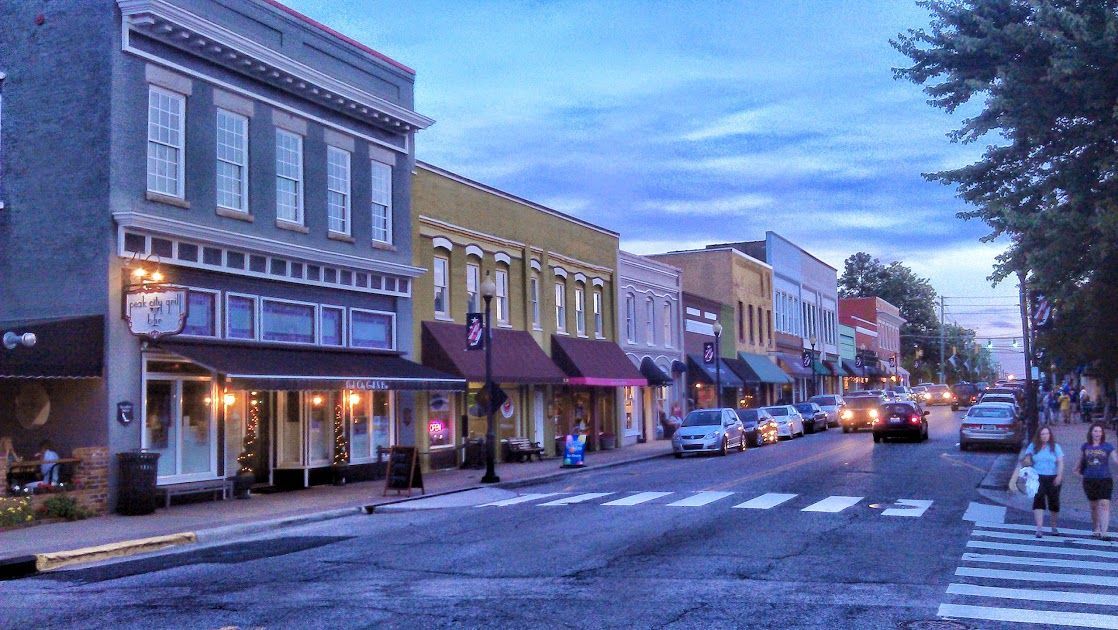
1. Johns Creek, Georgia:
- Median list price: $528,234
- Median Monthly Rent: $1,672
- Median Household Income: $163,653
- Part of the rapidly growing Austin metro area, Leander stands out for its strong job market, ranking in the 95th percentile for low unemployment and higher-than-average median income. The city blends urban convenience with Texas Hill Country charm, offering rolling landscapes and nearby outdoor attractions like Brushy Creek Regional Trail and Tumlinson Park.
⭐️ Why These Matters for Buyers:
Understanding which smaller U.S. cities offer strong job markets, affordable housing, and a high quality of life is essential for buyers who want more value without sacrificing opportunity. As rising home prices and higher interest rates continue to shape buyer decisions, these desirable metros under 100,000 residents present meaningful alternatives to high-cost urban markets.
For remote workers, first-time buyers, retirees, and anyone seeking long-term stability, these communities combine affordability with lifestyle benefits—strong schools, safer neighborhoods, and plenty of outdoor and cultural amenities. Exploring small cities like these can open the door to homeownership possibilities that may not exist in larger, more competitive metros.