


🌉 The 10 Best Small Cities to Live in Across the U.S. 🇺🇸

Scott Perry • April 27, 2026

Share this article

You don’t need a major metropolitan area to enjoy great schools, career opportunities, or a vibrant lifestyle. Many of the best places to live in the United States can actually be found in smaller cities—communities that offer the conveniences of urban living without the congestion, noise, or high price tags of big cities.


From a nationwide evaluation of cities under 100,000 residents, these 15 small cities ranked within the top 30 overall. Here’s what sets them apart:

1. Plymouth, Minnesota:


Median list price: $455,827

Median Monthly Rent: $1,384

Median Household Income: $132,041


Part of the Minneapolis–St. Paul metro area, Plymouth boasts the No. 6 job market in the country and one of the lowest unemployment rates at just 1.8%. Key industries include manufacturing, wholesale trade, and insurance. Residents enjoy a balance of suburban comfort and access to big-city amenities.

2. Pflugerville, Texas:


Median list price: $441,873

Median Monthly Rent: $1,505

Median Household Income: $118,047


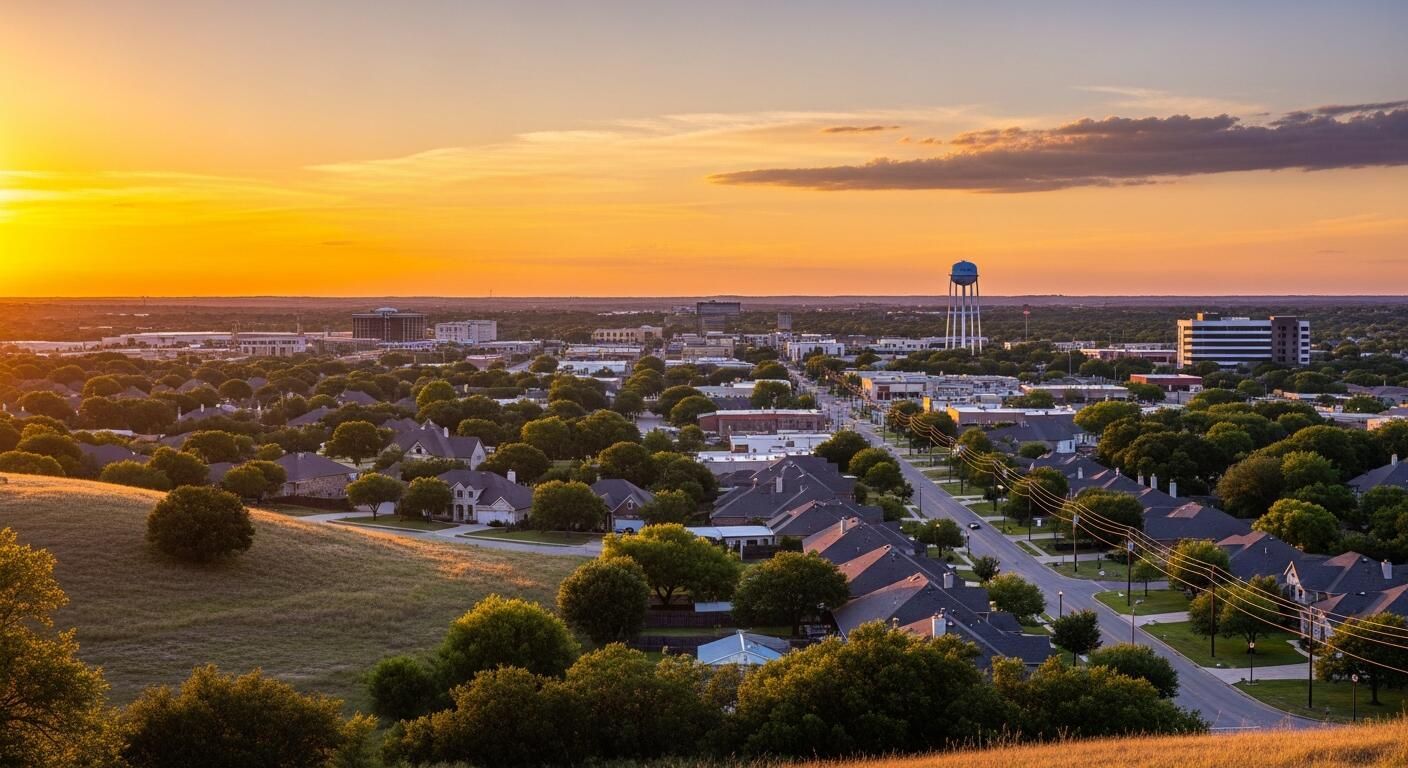
Nicknamed the “Trail Capital of Texas,” Pflugerville features 56 miles of trail systems, a healthy economy, and highly rated schools. Its location—less than 20 miles from downtown Austin—gives residents the benefits of urban proximity, lower home prices, and a low crime rate.

3. Flower Mound, Texas:


Median list price: $476,609

Median Monthly Rent: $1,642

Median Household Income: $163,766


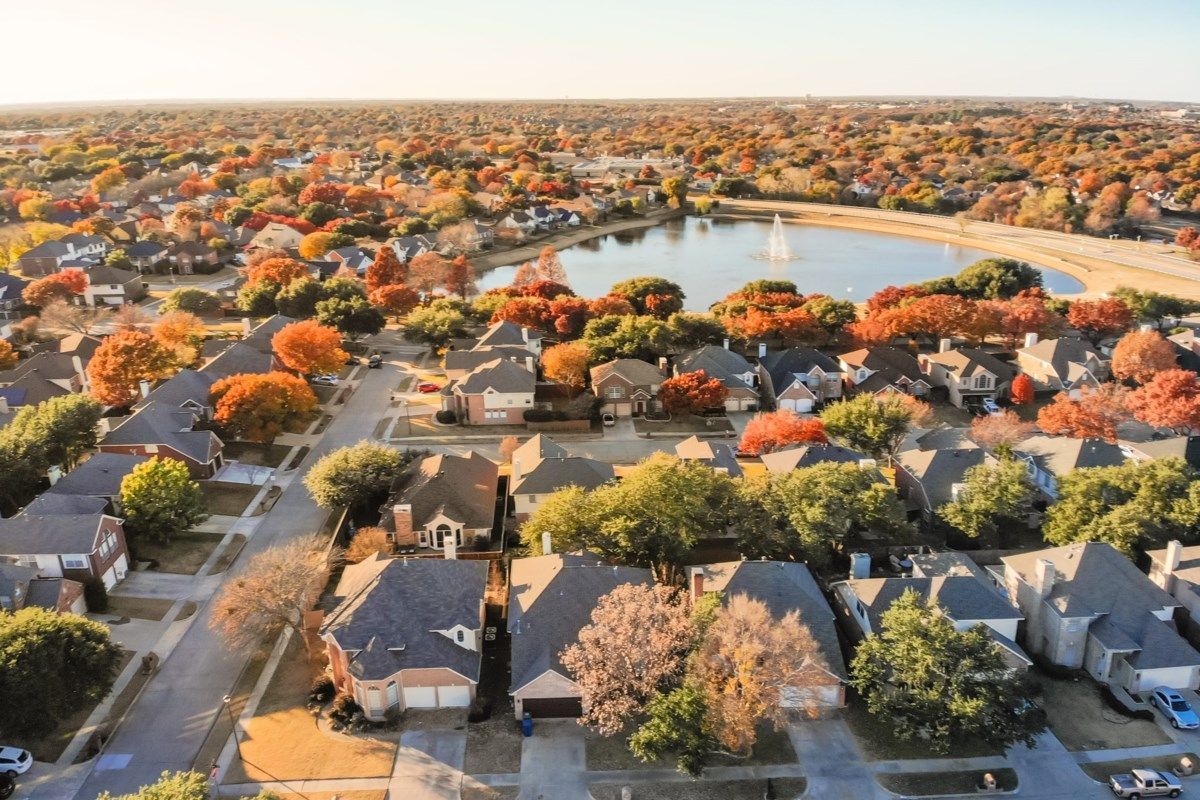
Situated in the Dallas–Fort Worth metroplex and bordering Grapevine Lake, Flower Mound is known for its scenic beauty and strong economy. The city’s namesake—a 12.5-acre natural mound covered with more than 175 species of wildflowers each spring—reflects its unique character. Flower Mound ranks highly for job market performance and boasts a median household income more than double the national average.

4. Ellicott City,Maryland:


Median list price: $627,797

Median Monthly Rent: $1,775

Median Household Income: $163,286


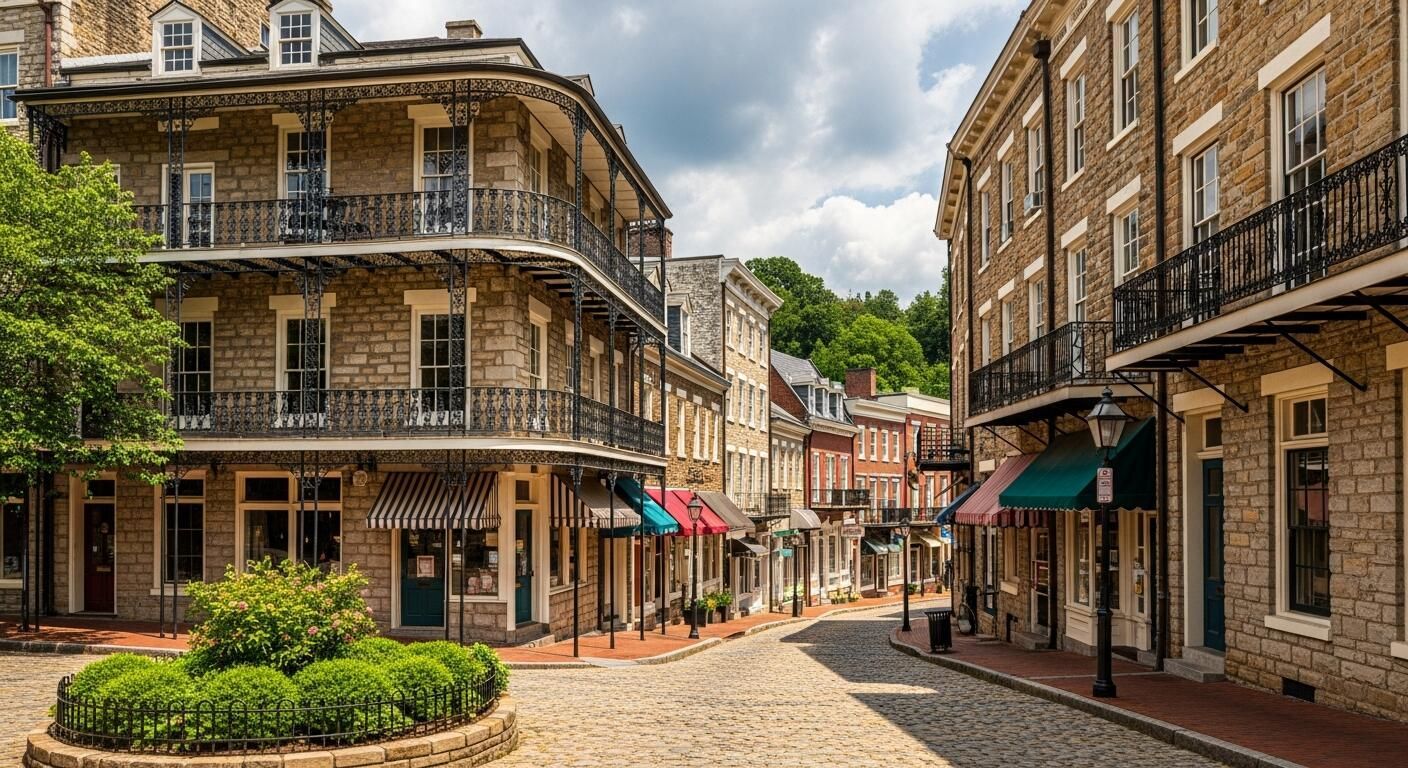
Nestled between Washington, D.C., and Baltimore, Ellicott City blends suburban tranquility with urban convenience. It ranks No. 11 nationwide for quality of life thanks to low crime, strong healthcare access, and well-preserved historic districts.

5. Sammamish, Washington:


Median list price: $1,185,433

Median Monthly Rent: $2,403

Median Household Income: $235,013


Located just east of Seattle, Sammamish offers the perfect mix of nature and proximity to major tech employers. Surrounded by Lake Sammamish, Soaring Eagle Regional Park, and Duthie Hill Mountain Bike Park, it provides endless outdoor recreation. Meanwhile, its closeness to Microsoft and Amazon helps fuel its No. 3 national ranking for job market strength.

6. Troy, Michigan:


Median list price: $385,318

Median Monthly Rent: $1,172

Median Household Income: $118,274


A northern suburb of Detroit, Troy is home to major corporate headquarters and the highly regarded Somerset Collection Mall. Troy shines in education, ranking No. 34 nationally for college readiness, with some of the highest-rated public schools in Michigan and the U.S. overall.

7. Rochester Hills, Michigan:


Median list price: $377,213

Median Monthly Rent: $1,168

Median Household Income: $116,432


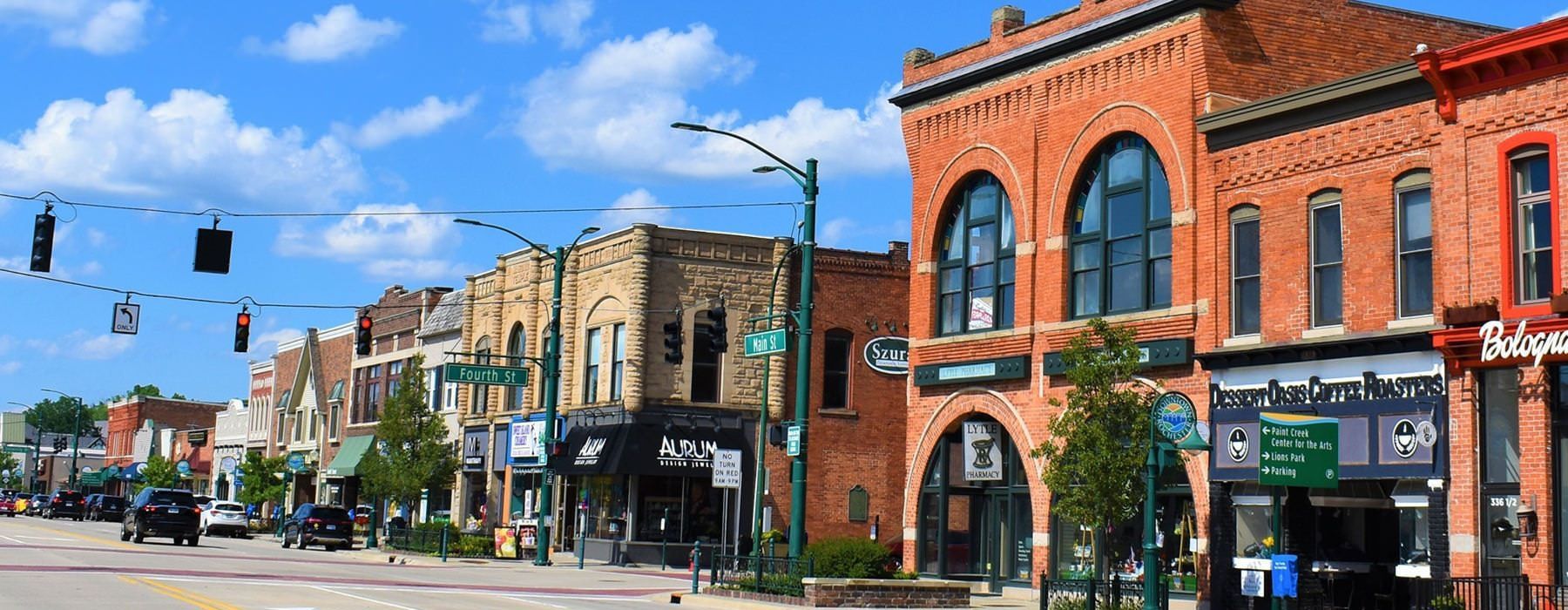
Just north of Troy, Rochester Hills is known for its parks, green spaces, and outdoor amenities. Popular destinations include Bloomer Park and Thelma G. Spencer Park, offering hiking, picnicking, and water activities. The 8.5-mile Paint Creek Trail—an interconnected linear park—runs through several communities and is beloved by walkers, runners, and cyclists.

8. Leander, Texas:


Median list price: $493,774

Median Monthly Rent: $1,485

Median Household Income: $131,822


Part of the rapidly growing Austin metro area, Leander stands out for its strong job market, ranking in the 95th percentile for low unemployment and higher-than-average median income. The city blends urban convenience with Texas Hill Country charm, offering rolling landscapes and nearby outdoor attractions like Brushy Creek Regional Trail and Tumlinson Park.

9. Apex, North Carolina:


Median list price: $499,352

Median Monthly Rent: $1,448

Median Household Income: $136,194


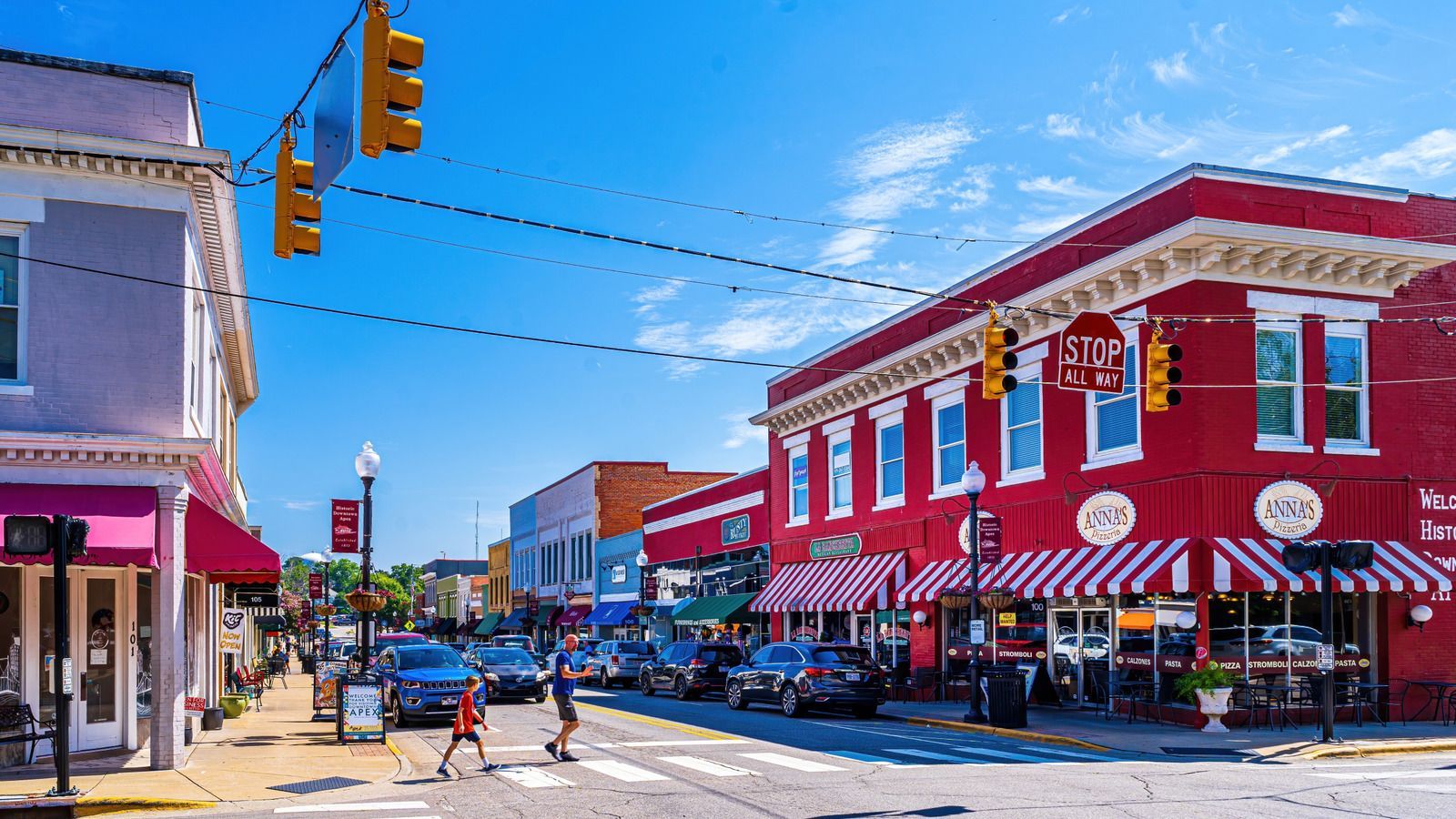
Part of the vibrant North Carolina Research Triangle, Apex offers easy access to top-tier universities, a high-performing job market, and an average commute of just 22 minutes. Its median household income exceeds national averages, helping Apex earn a top spot for economic opportunity and lifestyle balance.

10. Johns Creek, Georgia:


Median list price: $528,234

Median Monthly Rent: $1,672

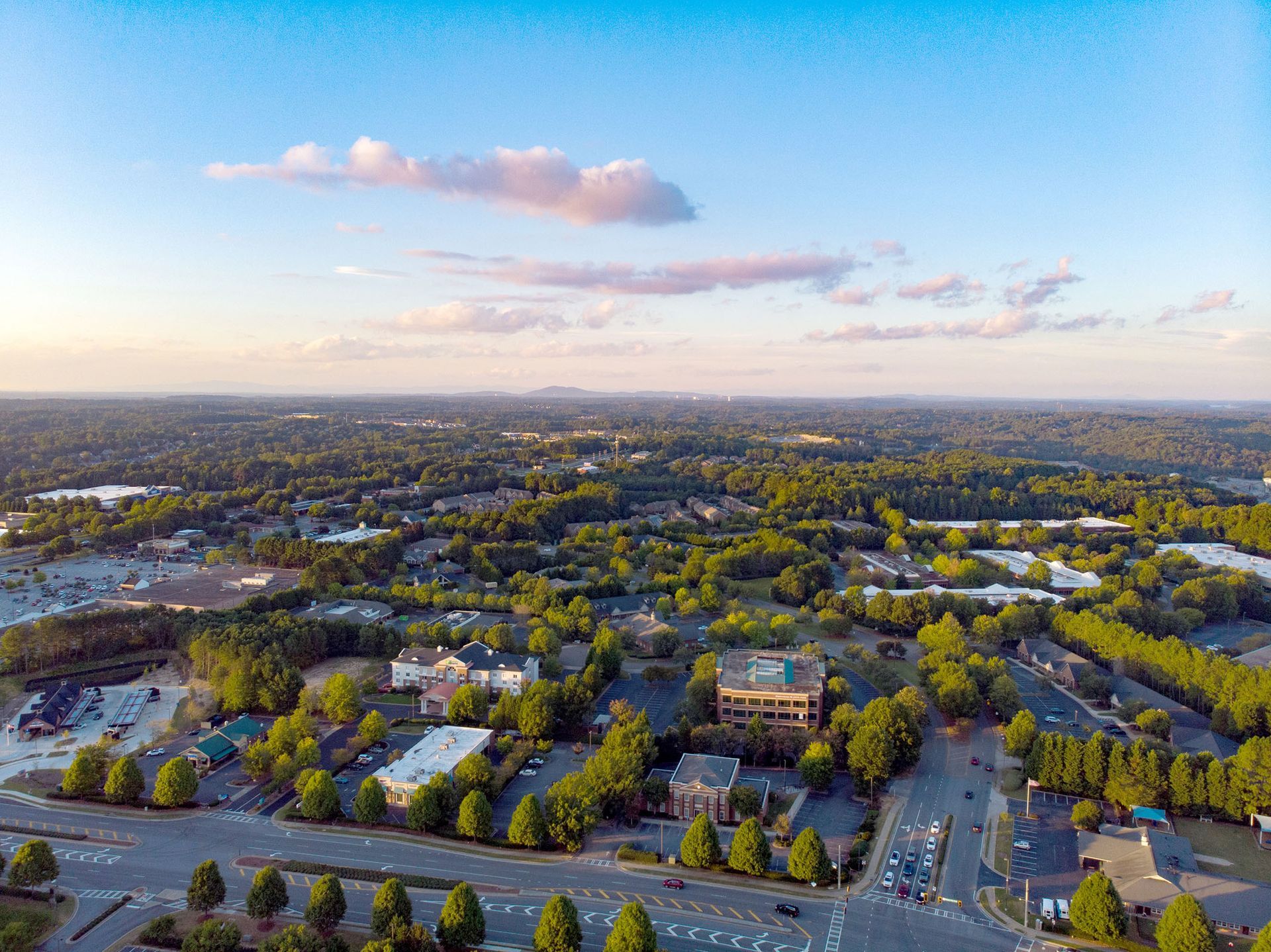
Median Household Income: $163,653


Part of the rapidly growing Austin metro area, Leander stands out for its strong job market, ranking in the 95th percentile for low unemployment and higher-than-average median income. The city blends urban convenience with Texas Hill Country charm, offering rolling landscapes and nearby outdoor attractions like Brushy Creek Regional Trail and Tumlinson Park.

⭐️ Why These Matters for Buyers:


As interest rates, inflation, and cost of living continue to influence housing decisions, many homebuyers — especially first-timers — are expanding their search radius in favor of affordability and long-term value.


These markets prove that it’s still possible to:

✔ find a home under $300K

✔ maintain quality of life

✔ live near culture, jobs, and amenities


Whether someone is relocating, investing, or simply searching for affordability, these metros may offer surprising opportunities.

Recent Posts

Lit office building windows glowing warm yellow at dusk, with people visible inside several floors.
By Scott Perry April 28, 2026
Understand the differences between Condominiums & PUDs. Get expert advice for home buyers & sellers in Silicon Valley.
By Scott Perry April 28, 2026
Think a home sitting on the market is a red flag? Learn why it could be an opportunity—especially in Silicon Valley’s fast-paced market.
By Scott Perry April 28, 2026
Learn how to sell your home while living in it with smart tips to stay organized, show-ready, and competitive in today’s real estate market.
By Scott Perry April 28, 2026
Explore the pros and cons of selling your home as-is and how an agent can help you maximize your results.
By Scott Perry April 28, 2026
Home prices are climbing due to high demand and low supply. See how inventory trends impact appreciation and what it means for buyers and sellers in 2025.
By Scott Perry April 28, 2026
Discover why smart investors are targeting emerging real estate markets. Learn about top cities, trends, risks, and rewards.
By Scott Perry April 28, 2026
Avoid probate, reduce taxes, and protect your real estate legacy. Learn how holding property in a trust builds generational wealth.
By Scott Perry April 28, 2026
Explore the pros and cons of revocable and irrevocable trusts for estate planning, asset protection, taxes, and Medicaid eligibility.
By Scott Perry April 28, 2026
Homeowners in 2025 may be sitting on record equity. Discover what your home is worth and how to use that wealth to fund your next big move.
By Scott Perry April 28, 2026
Get clear answers to your Prop 19 questions: base year value transfers, eligibility, deadlines, disasters, multi-unit properties, filing steps & more.
Show More