

🏡12 Home Improvements That Don't Add Value🛠️
Home improvement projects can be exciting — and expensive. In fact, the average U.S. household spent over $9,000 on home upgrades in 2025, according to national home improvement reports. But when it comes time to sell, not every renovation helps your bottom line.
Before investing in a major upgrade, it’s important to understand whether the project will actually appeal to future buyers or simply reflect personal taste. Some improvements may even work against you when it’s time to list. Here are several common home projects that often fail to add resale value.
1. Too Much Wallpaper:
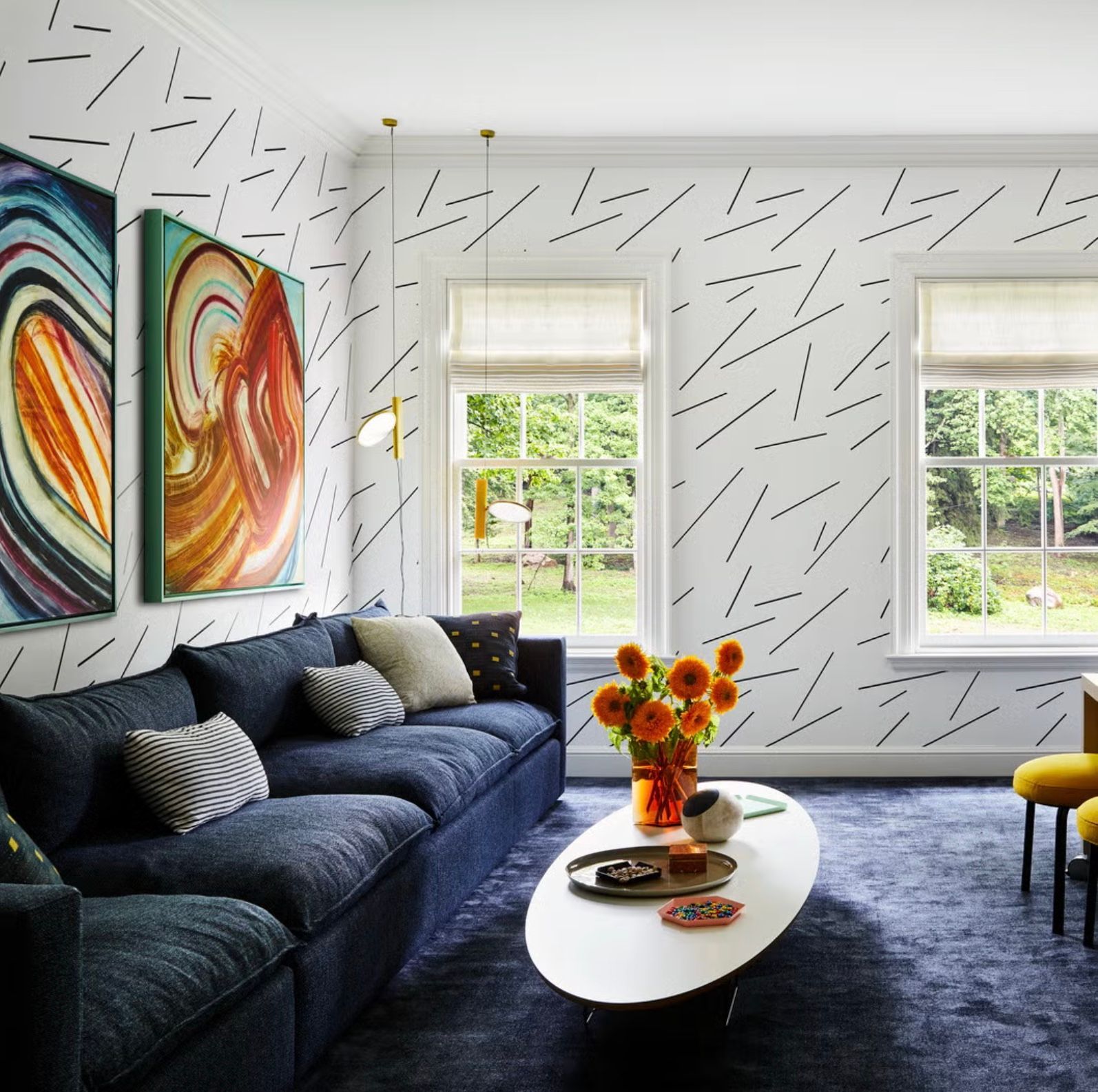
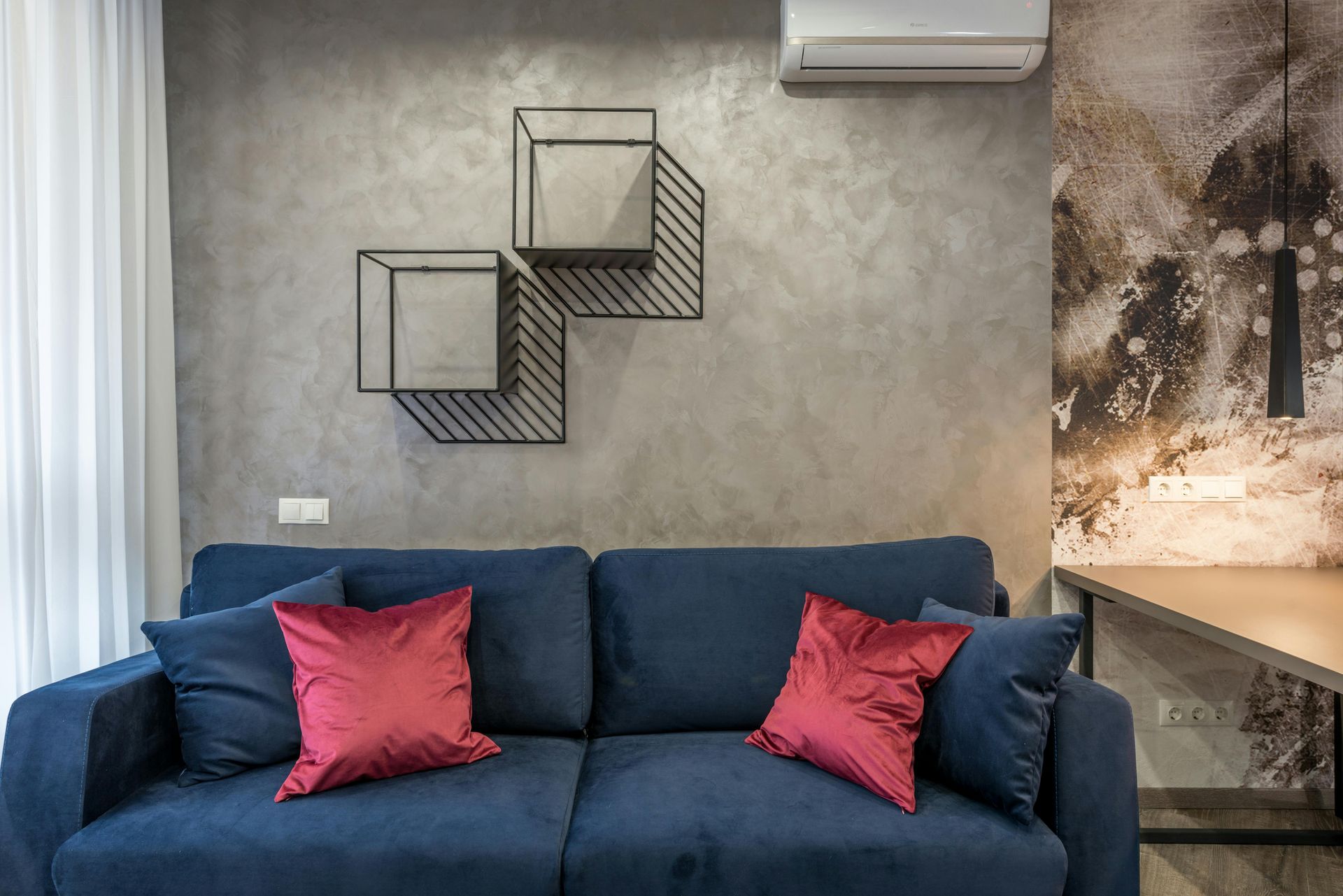
Wallpaper has made a comeback, but bold patterns and highly specific designs can turn buyers away. While installation can cost around $1,000 per room, that expense is rarely recouped at resale. On top of that, removing wallpaper is labor-intensive and messy — something buyers may see as an extra chore.

2. Built-In Electronics:
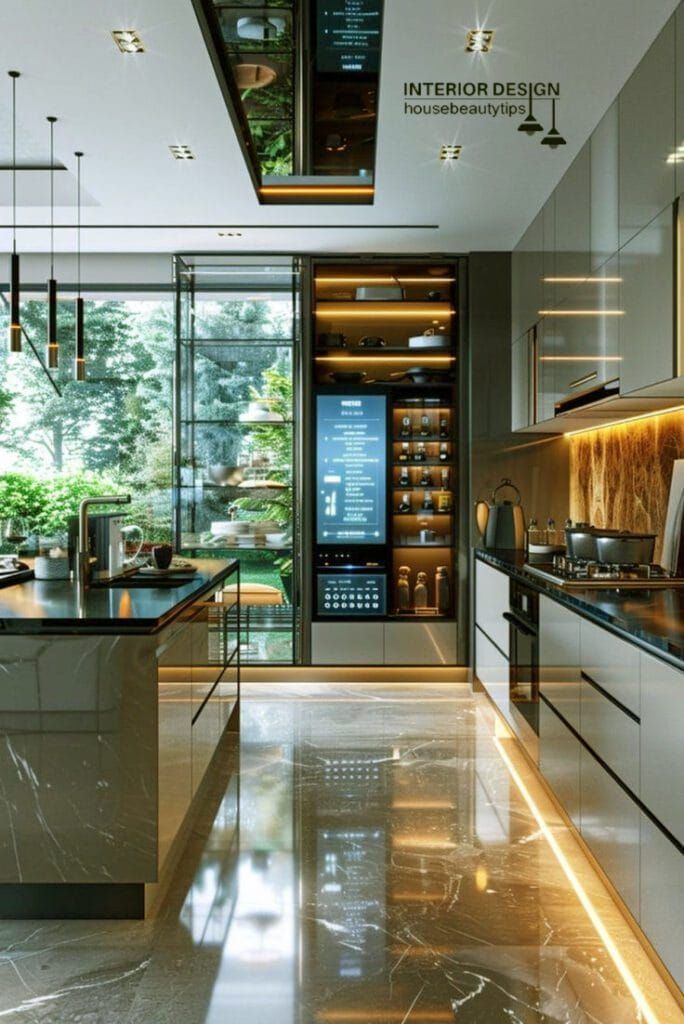
Custom-built speakers, entertainment systems, or wired technology may feel luxurious now, but technology becomes outdated quickly. What feels cutting-edge today may feel obsolete tomorrow, making these features less attractive to buyers.
3. Wall to Wall Carpeting:
Covering hardwood floors with carpet is rarely a good investment. Many buyers prefer exposed wood, and poor-quality carpeting adds little to no value. In fact, refinished or newly installed hardwood floors consistently rank among the highest-return interior upgrades.
4. Swimming Pools:
Pools can be appealing in warm climates, but they’re expensive to install and maintain. Beyond the upfront cost, ongoing maintenance and higher insurance premiums can deter buyers. While a pool may add some value in specific markets, it often doesn’t deliver a strong return.

5. Garage Conversions:
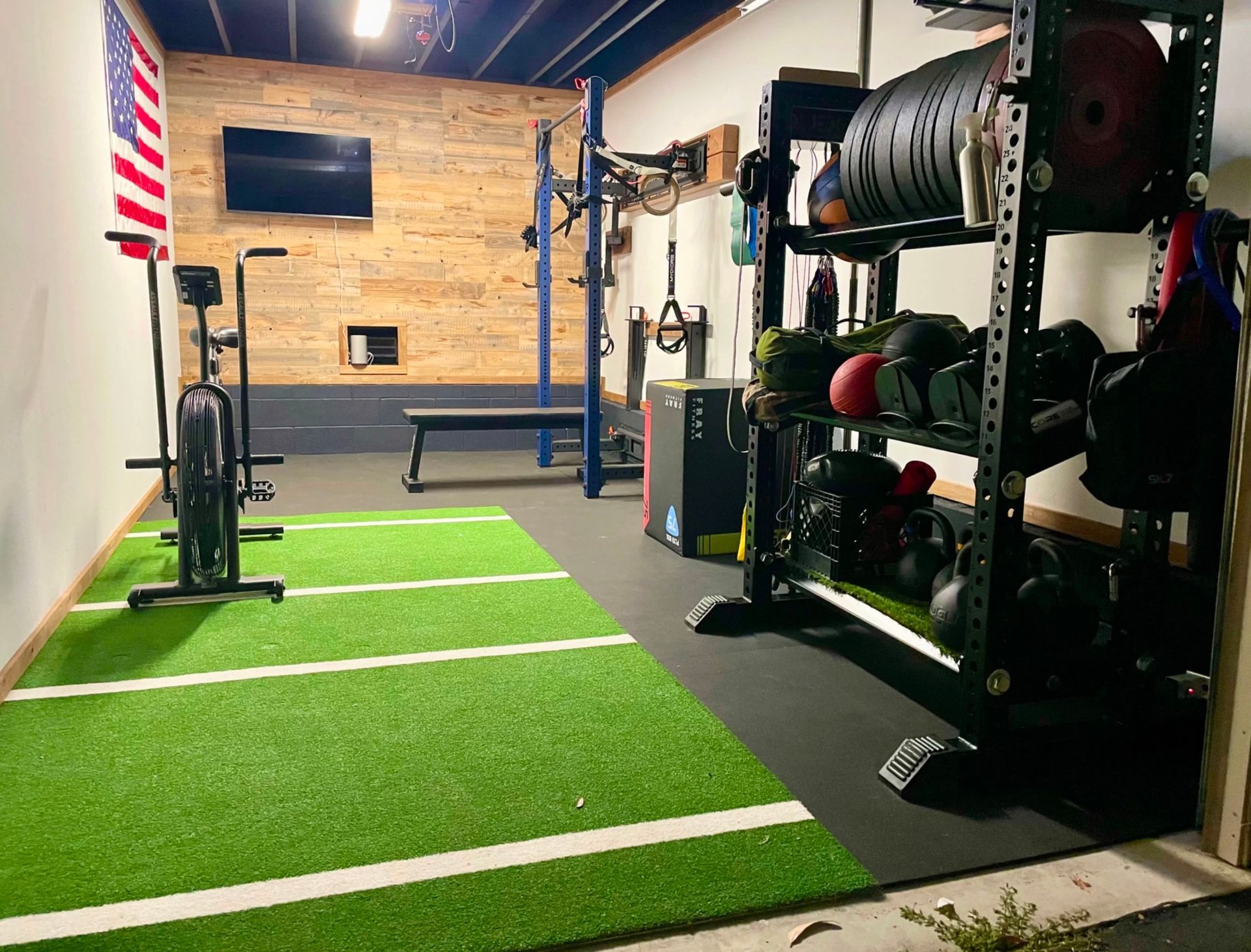
Turning a garage into a living space, gym, or rental unit may suit your lifestyle, but it can hurt resale value. Many buyers prioritize garage parking and storage, and removing that functionality can limit your buyer pool.
6. Poorly Executed DIY Projects:
DIY improvements can save money — if done well. Unfortunately, uneven finishes, incorrect installations, or visible shortcuts often raise red flags for buyers. Professional-quality work tends to inspire more confidence and stronger offers.

7. Bold or Dark Paint Colors:
A fresh coat of paint is one of the most cost-effective ways to update a home, but color choice matters. Bright, dark, or highly personalized colors can make it harder for buyers to envision themselves in the space. Neutral tones typically perform best.

8. Adding a Sunroom:
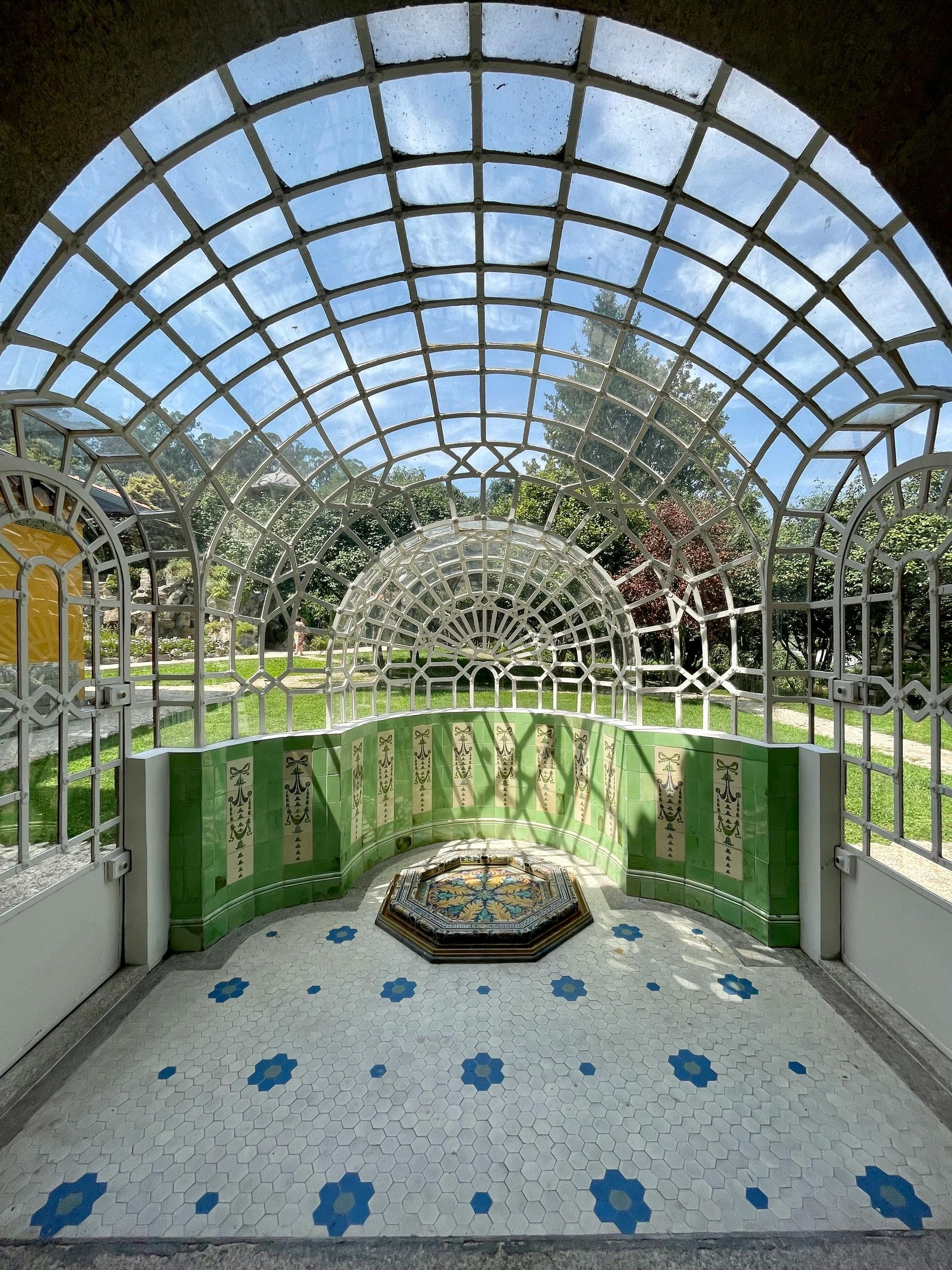
Sunrooms can be beautiful, but they’re expensive and don’t always count toward a home’s official square footage. Because appraisers often exclude them, sunrooms usually don’t deliver the same return as full room additions.
9. Textured Walls and Ceilings:
Textured walls or popcorn ceilings can date a home. Removing them is labor-intensive and sometimes complicated by asbestos concerns in older properties. Buyers may factor removal costs into their offers.
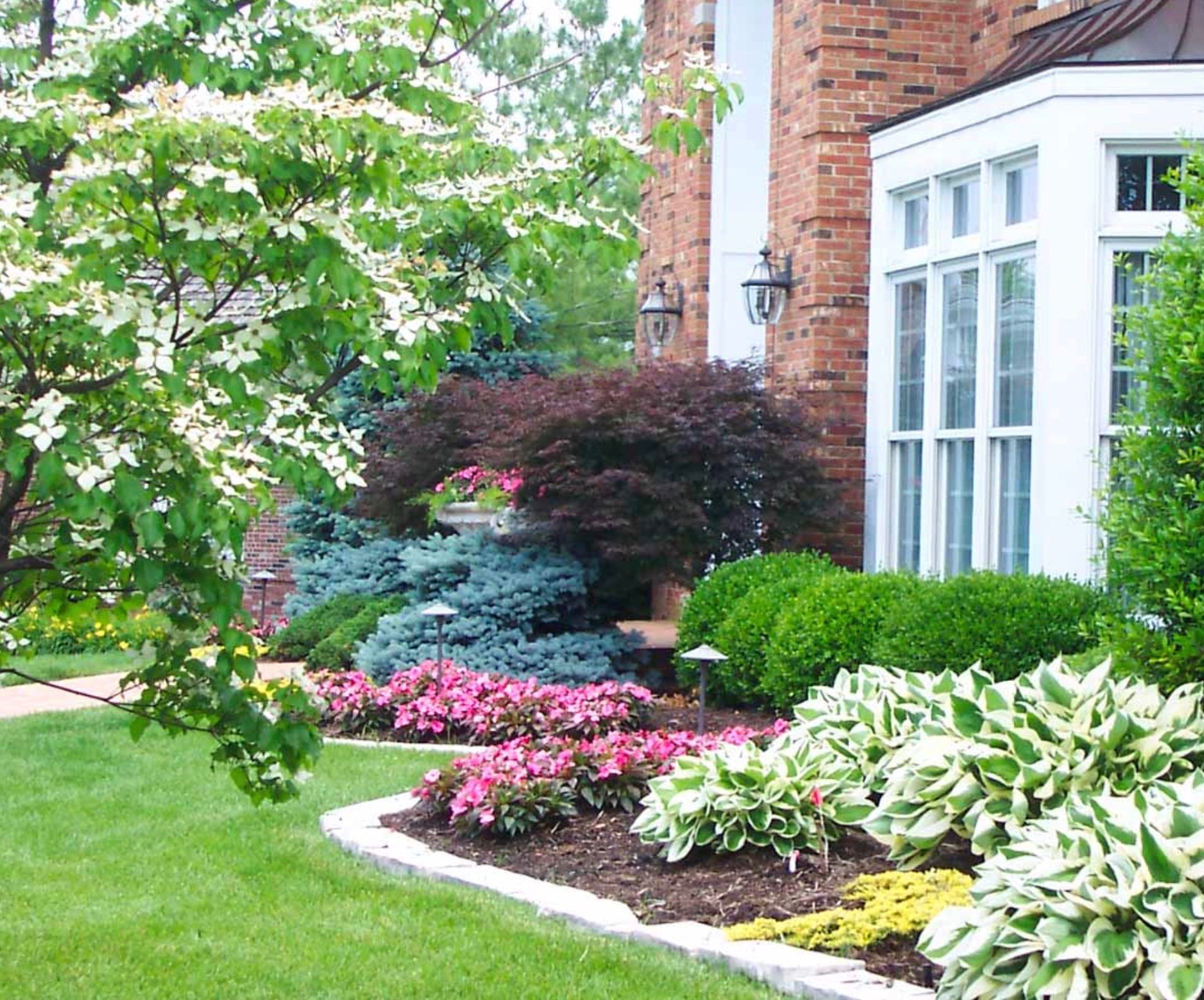
10. Overdone Landscaping:
Curb appeal matters, but overly elaborate landscaping can be a drawback. Buyers may worry about maintenance costs or upkeep, especially if the design feels too customized or demanding.
11. Outdoor Fire Features:
Fire pits and outdoor fireplaces are great for entertaining, but they rarely pay for themselves. While they add character, buyers don’t typically value them enough to offset the installation cost.

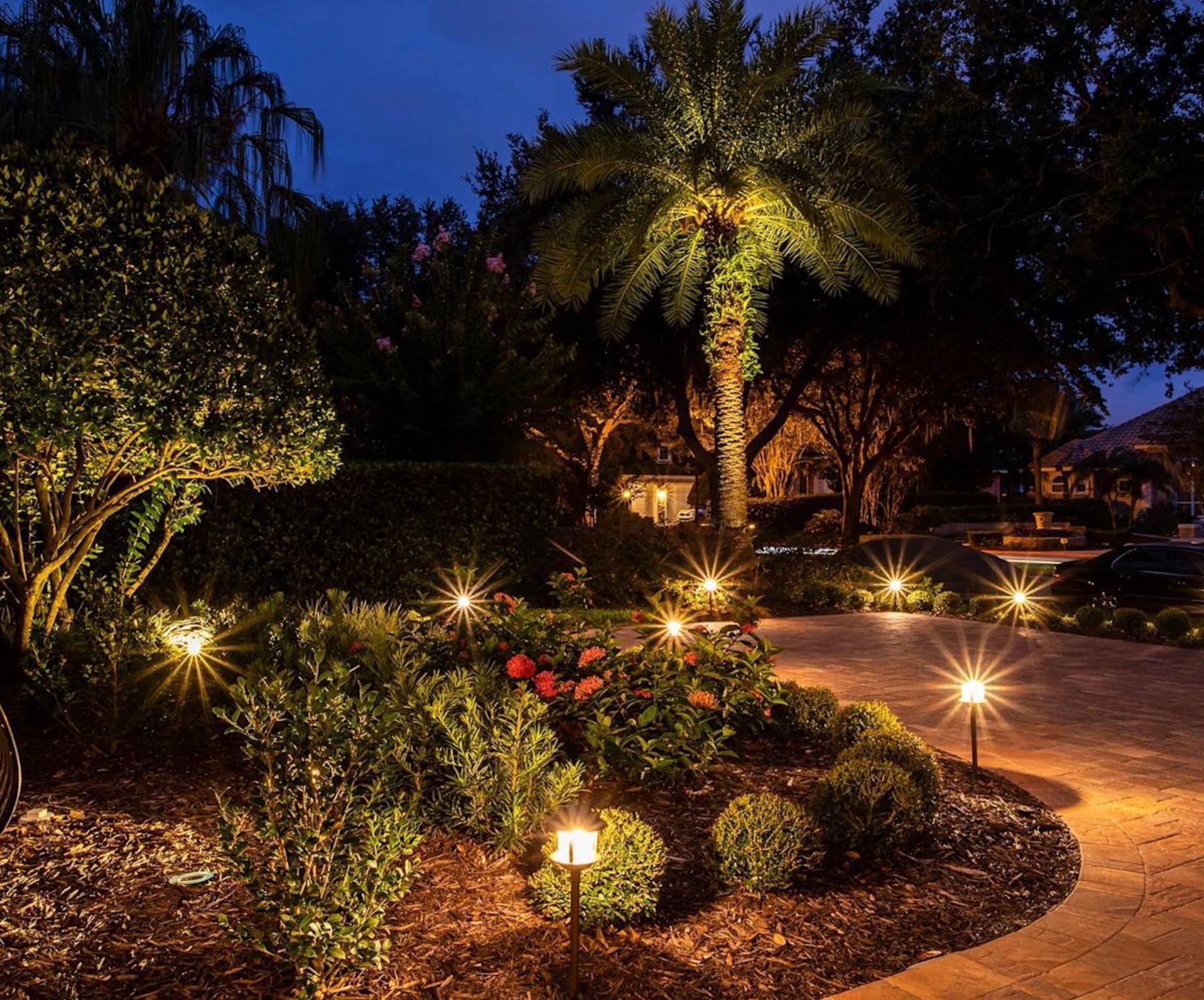
12. Landscaping Lightning:
Outdoor lighting can enhance appearance, but it’s another project where the return often falls short of the investment. Buyers appreciate good lighting, but it usually doesn’t significantly increase a home’s value.
⭐️ Bottom Line:
Not all home improvements are created equal. Before investing time and money into upgrades, it’s smart to focus on projects that appeal to a broad range of buyers and enhance overall livability. Consulting with an experienced real estate professional before renovating can help you prioritize improvements that truly support your resale goals — and avoid costly projects that won’t pay off.